
Last updated November 23, 2026
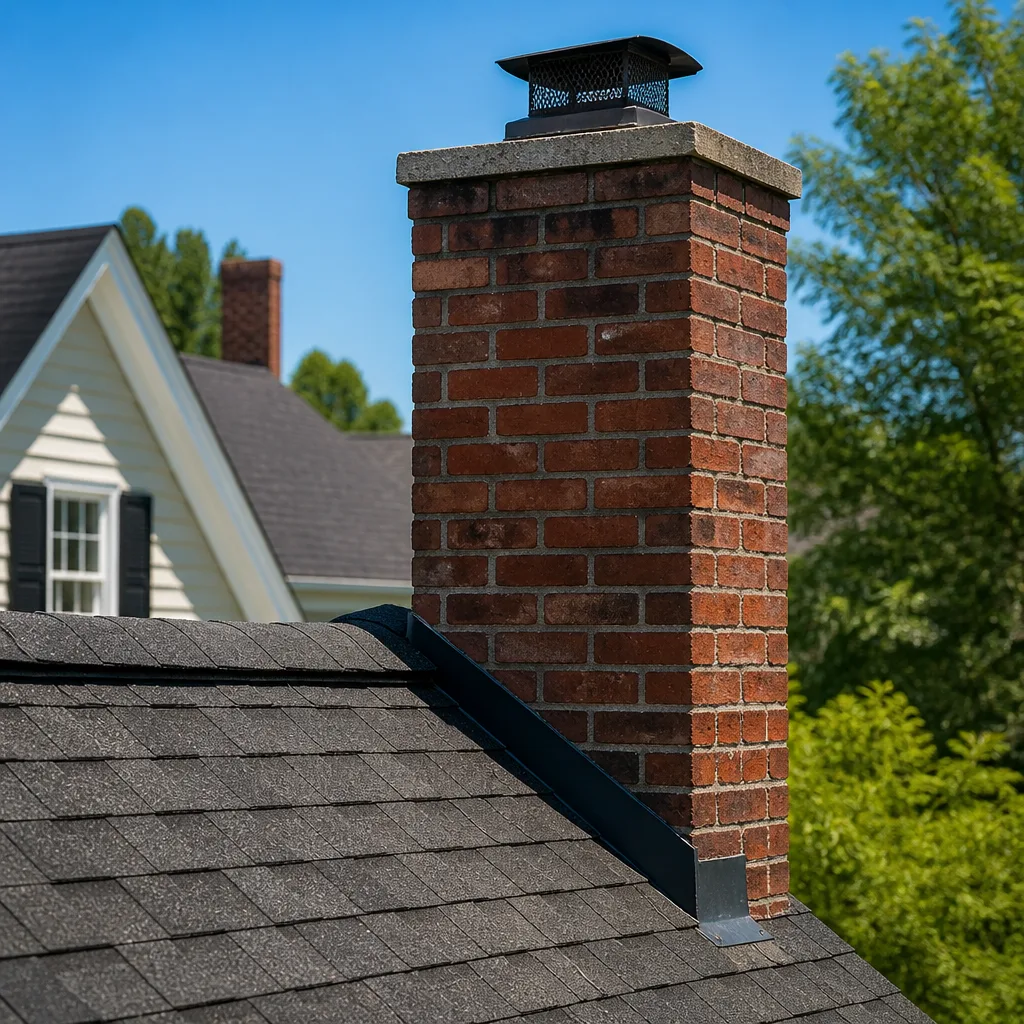 Sweep & inspection
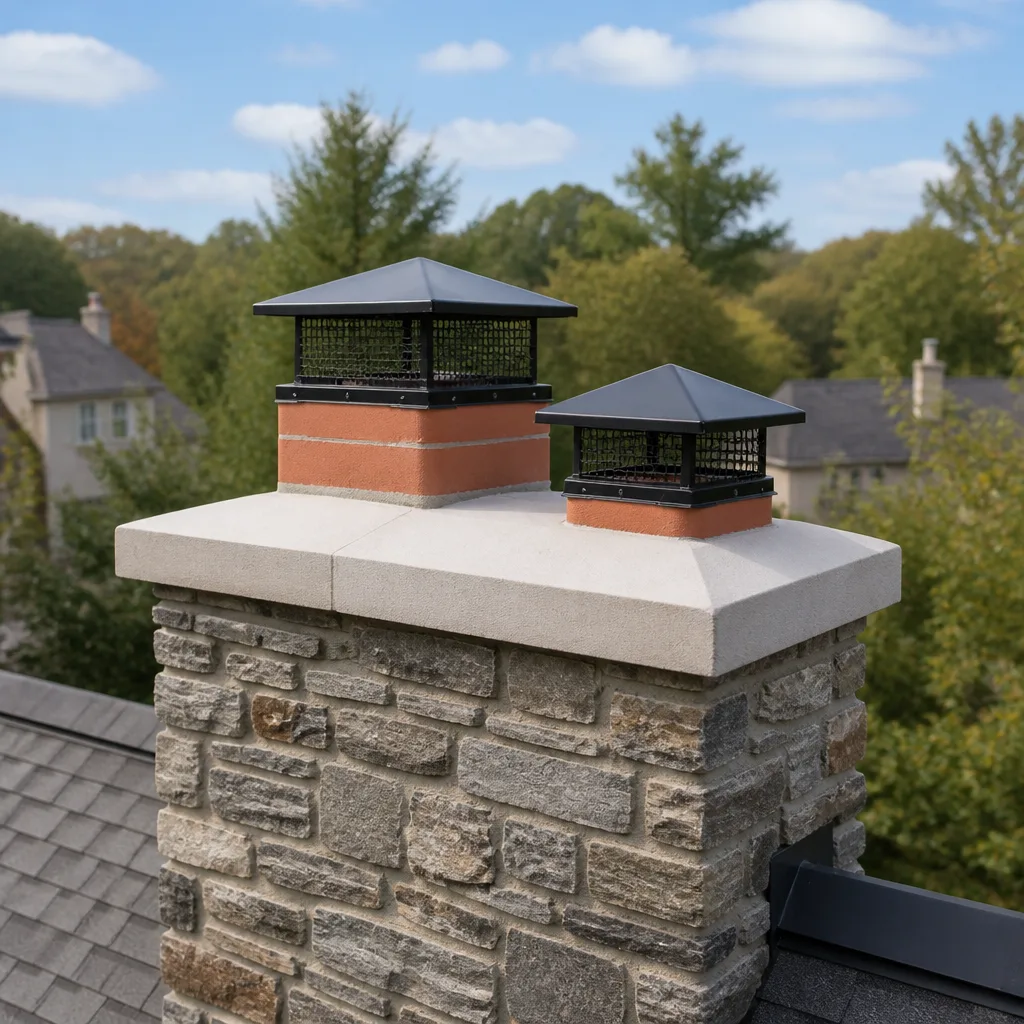 Caps & crowns
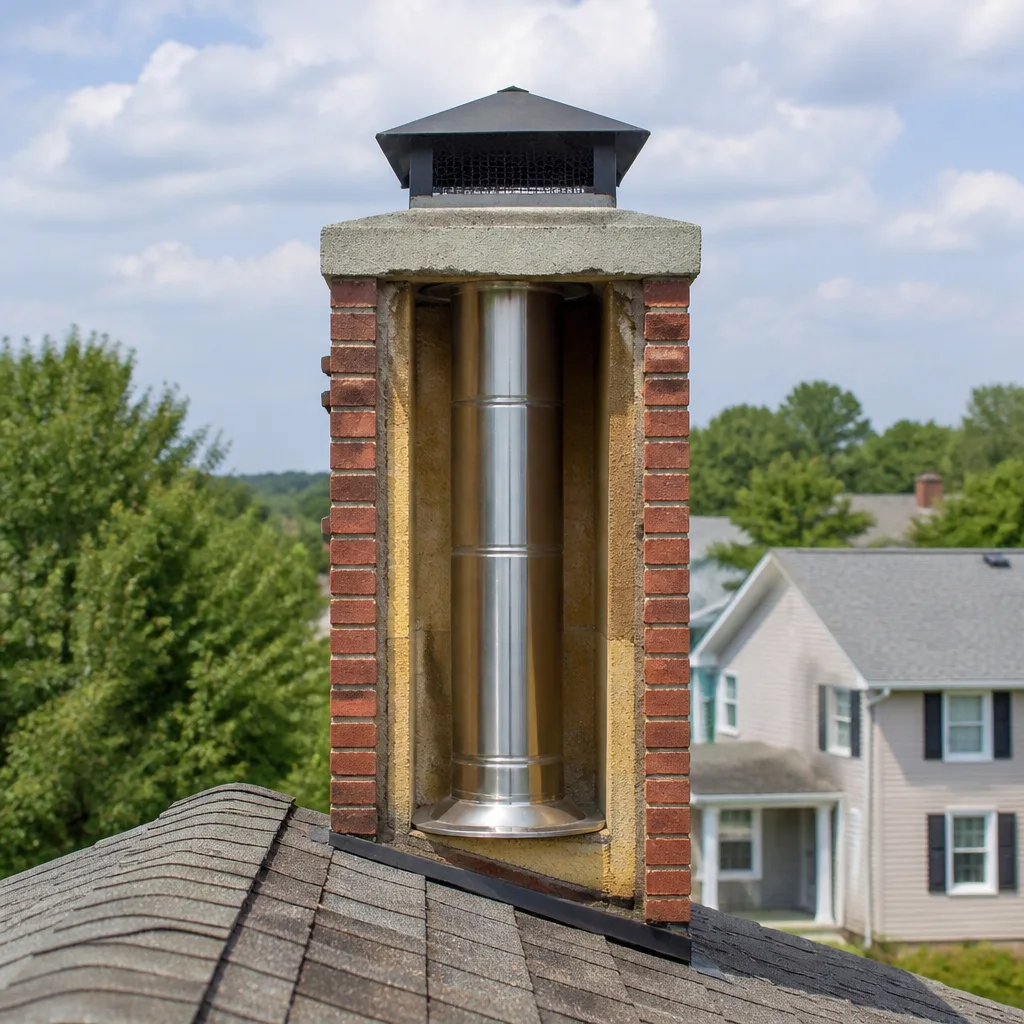 Flue relining
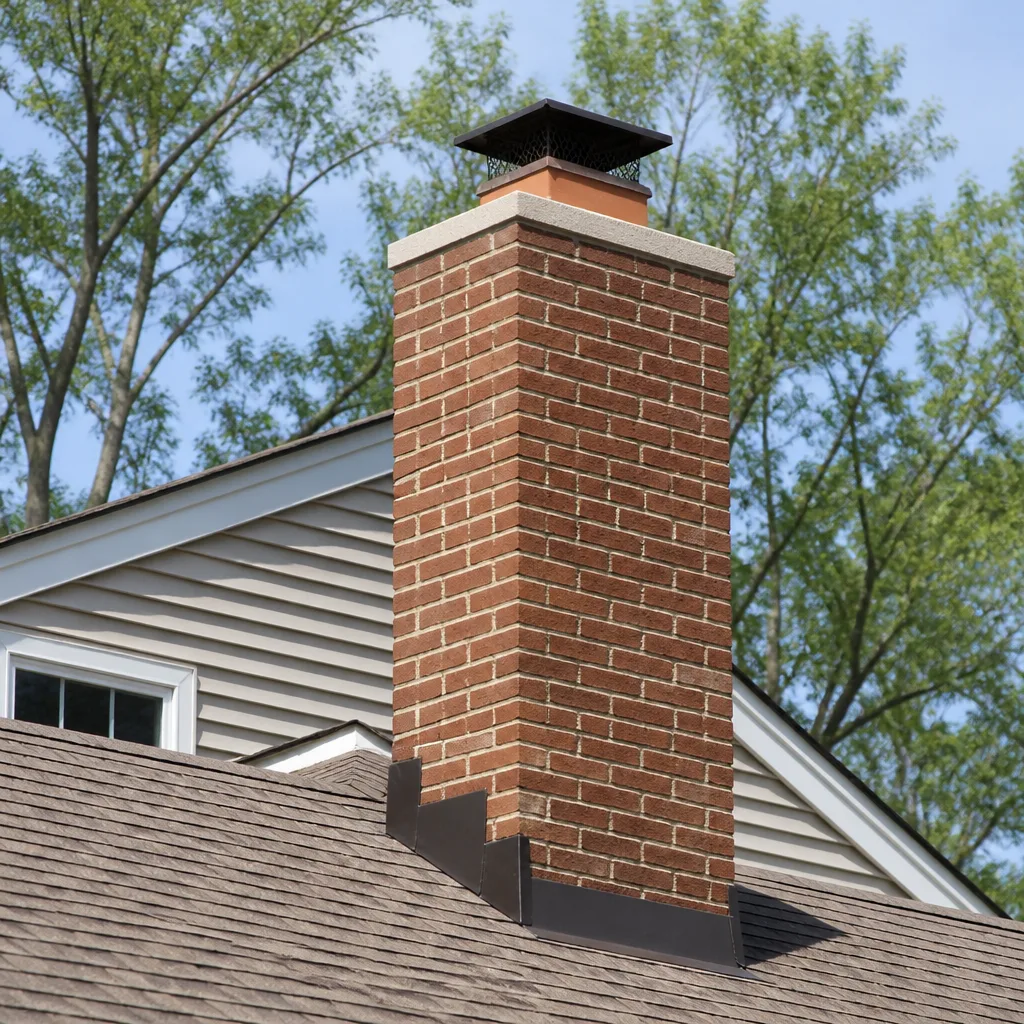 Masonry repair
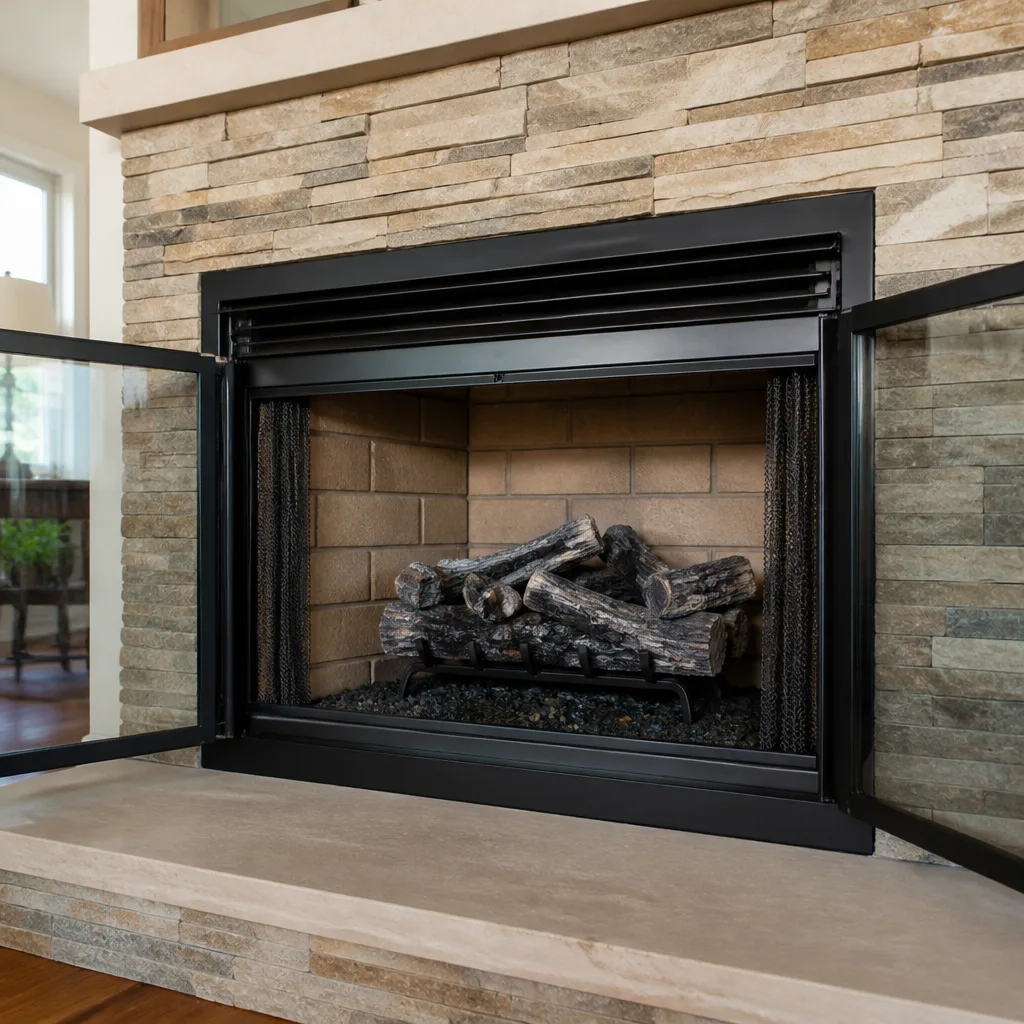 Gas fireplace service
Level 1 sweep and inspection to the NFPA 211 annual standard - flue, crown, cap, and flashing checked and photographed
Chimney sweep logs do not sweep chimneys. They loosen some creosote - which then falls where a brush and vacuum still have to collect it.
DIY vs Professional Chimney Cleaning: The Westminster Homeowner’s Decision Guide
The chimney brush kit costs about $60. The fine creosote dust it releases, if you don’t set up containment correctly, coats every surface in the room and drifts through the rest of the house. That’s before you’ve looked at the liner, the smoke chamber, or the flashing at the roof line. Most DIY chimney tutorials treat those as footnotes. In our experience, they’re the whole story. This guide lays out an honest boundary between what a homeowner with a brush can accomplish and what genuinely requires professional equipment, so you can make a decision based on what you can’t see, not just what you can. That matters more in Westminster than in most places.
Quick Answer
A homeowner can handle light, cosmetic brushing of a lightly used chimney, but a safe and complete cleaning requires professional equipment and a trained eye for the liner, smoke chamber, and flashing. In Colorado’s dry fire climate, where creosote builds fast and stages 2 and 3 glaze onto the flue, DIY cleaning carries real fire risk and misses exactly the problems that matter. For most Westminster homes that burn wood regularly, professional cleaning is the right call.
Styles & brands we work with
- Sweep & inspection
- Caps & crowns
- Flue relining
- Masonry repair
- Gas fireplace service
Table of Contents
- What a Homeowner With a Brush Kit Can Actually Accomplish
- Why Stage 2 and Stage 3 Creosote Can’t Be Removed With Consumer Tools
- The Containment and Air Quality Problem DIY Tutorials Understate
- What Professionals Can See That DIY Effort Can’t
- A Decision Framework for Westminster Homeowners
- How Westminster’s Climate Changes the Math
- What a Typical Professional Sweep Actually Involves
- Cap and Crown: The Water Damage Question DIY Won’t Answer
What a Homeowner With a Brush Kit Can Actually Accomplish
We’ll give DIY its due, because there is a narrow band where it works. A homeowner with a correctly sized poly brush, proper extension rods, a good shop vacuum with a HEPA filter, and real containment can knock light, powdery soot off the upper flue of a chimney that burns occasionally. If your fireplace sees a handful of fires a season and you’re brushing a fluffy, dry deposit before it hardens, you’re not putting yourself or your home in obvious danger.
Here’s what that same homeowner generally cannot do:
- Remove glazed creosote that has bonded to the flue wall
- Inspect the liner for cracks, gaps, or separation between sections
- Reach and assess the smoke chamber, which sits above the damper and is notoriously hard to see from below
- Check the flashing and crown at the roof line for early water intrusion
- Verify that the flue is properly sized for the appliance
- Confirm the chimney cap is intact and animal- and rain-tight
That’s the honest boundary. Brushing is the easy, visible part. The work that keeps a chimney safe happens where the brush doesn’t reach and where you can’t point a phone flashlight. A professional sweep isn’t just a bigger brush. It’s an inspection paired with equipment that lets a trained technician see what the flue actually looks like. If you want to understand the full scope of what that looks like, our chimney sweep page walks through it in detail.
Why Stage 2 and Stage 3 Creosote Can’t Be Removed With Consumer Tools
Creosote is the residue left behind when wood smoke cools on the flue walls. It comes in three recognizable stages, and the difference between them is the entire reason DIY cleaning falls short in a wood-burning chimney.
- Stage 1: Fluffy, dusty soot that brushes off easily. A homeowner with a poly brush can handle this in a lightly used flue.
- Stage 2: A crusty, flaky, or tar-like deposit that has begun to harden onto the flue wall. Consumer brushes skim it. Removing it takes professional rotary equipment or chemical treatment.
- Stage 3: A glazed, hard, fuel-rich coating fused to the flue. This is the stage most associated with chimney fires, and no homeowner brush kit removes it. Professional rotary tools or specialist resurfacing systems are required.
If you try to force Stage 3 glazing off with a consumer brush, two things happen. The brush bounces off the glaze and does nothing. Or worse, it chips loose chunks that fall down onto the smoke shelf or lodge against the damper, creating a blocked or partially blocked flue. A blocked flue is a carbon monoxide hazard. We’ve seen homeowners who did their own brushing and, without realizing it, left debris sitting where it shouldn’t.
This is where HeatShield liner resurfacing comes in for Westminster homes with a deteriorating flue. Rather than a full liner replacement, a specialist can resurface the interior to restore it, addressing the glazing and deterioration together. That’s a system most general contractors don’t offer, and it’s one reason chimney work is best handled by a specialty company that works with recognized professional-grade product lines such as HeatShield, Gelco, and Olympia Chimney. For the deeper structural side of the conversation, our chimney repair page covers what to expect when the flue itself needs attention.
The Containment and Air Quality Problem DIY Tutorials Understate
Creosote is one of those substances where the smell alone tells you something. When you brush a flue, you release a fine dust of soot and creosote particles that spreads in every direction. A DIY tutorial will tell you to lay down a drop cloth and open a window. In our experience, that’s roughly half the containment you need.
Professional containment involves a sealed work zone at the firebox, negative air pressure that pulls dust toward a HEPA vacuum rather than into the room, and a clean-out protocol at the end. And notice what every sweep precedes: a camera inspection. When the sweep and the inspection are paired, a top-down look with a chimney camera lets the technician see the liner interior and document the condition with photos. That documentation is what lets you see the evidence for yourself instead of taking a technician’s word for it.
Air quality is a real consideration, not a scare tactic. If a family member has asthma or sensitive lungs, or if you’re already managing indoor dust, a kit-based DIY sweep can leave fine soot settled on furniture and in HVAC returns for days. That’s an inconvenience. The larger point is the one worth sitting with: if the dust is reaching your living room, it’s also traveling through rooms you never touched, because creosote particles are fine enough to travel far.
What Professionals Can See That DIY Effort Can’t
This is the heart of the argument for professional cleaning in Westminster. A technician with a chimney camera and trained eyes sees a set of conditions a homeowner simply cannot reach or evaluate from below. Here’s the visible-vs-invisible split:
- Liner condition: Cracks, gaps, and separation between liner sections that let heat and gases into framing. Invisible from inside the firebox.
- Smoke chamber integrity: The chamber above the damper slopes and is prone to cracking and creosote buildup. Tough to see without the right angle and a light.
- Flashing gaps: Where the chimney meets the roof, a small gap lets water in and, over seasons, rots the roof deck. Not visible from the ground or from inside.
- Crown condition: The concrete cap at the top of the chimney cracks and lets water seep into the masonry. Once again, a roof-level view.
- Creosote stage: A technician can tell at a glance whether the deposit is Stage 1 fluff or Stage 3 glaze, and adjust accordingly.
- Draft and flue sizing: Whether the flue matches the appliance affects both performance and safety.
A homeowner with a brush can’t inspect any of that from the firebox floor. It requires two things a kit doesn’t supply: access and judgment. Professionals also carry the repair capability to act on what they find. In our case, if an inspection turns up a cracked crown or failing liner, the same company and crew handle the fix. There’s no handoff, no second contractor, and no gap in accountability. The findings and the repair live in one place. Doing it right the first time is exactly what our Westminster Chimney Sweep Co team is built for.
A Decision Framework for Westminster Homeowners
The right answer to “should I DIY this?” depends entirely on your fireplace and how you use it. A lightly used gas fireplace and a heavy-use wood-burning stove are different problems with different answers. Here’s a framework to sort yourself:
- How often do you burn? A handful of decorative fires per season is a light-load chimney. Weekly winter fires, or a wood stove used as a primary heat source, means heavy creosote accumulation and likely Stage 2 or Stage 3 deposit.
- What are you burning? Dry, seasoned hardwood produces far less creosote than green or unseasoned wood. If you regularly burn wet wood, you should assume a heavier deposit.
- Gas vs. wood: A sealed gas fireplace has different cleaning needs. Gas units don’t produce creosote the way wood does, but they still need periodic inspection for venting and debris. Some DIY brushing is more reasonable here, though the venting and combustion side should still be checked.
- How long since the last sweep? If you can’t remember the last time the flue was cleaned, or if it’s been several seasons, assume it needs a real look.
- Is there a history of chimney fires? A prior chimney fire can leave a damaged liner that isn’t visible from the firebox. This is a professional-inspection situation, not a brushing one.
- Are you in an older Westminster home? Masonry chimneys in older Westminister housing stock are more likely to have a clay tile liner that’s cracked, spalled, or missing sections. If that’s the case, interior resurfacing may be a good fit. Systems like HeatShield, Gelco, or Olympia Chimney handle this, but they need a trained installer.
Read your own answers honestly. A gas fireplace with three fires a year is a lighter load than a wood stove running all winter. The gap between them is wide. For most Westminster homes that burn wood seriously and haven’t been serviced in a while, the answer lands on professional.
How Westminster’s Climate Changes the Math
Westminster’s dry, high-desert climate has a few quirks worth understanding before you decide. Wood burns differently here than in a humid region, and the interior of a chimney reacts differently to swings in temperature and moisture.
Our winters swing hard between cold snaps and milder stretches. Those swings, plus the dry air, drive creosote to glaze and harden faster than in a damper climate. A Stage 1 fluff that would brush off cleanly through the season in a coastal climate can turn into a crusted Stage 2 deposit sooner under Westminster’s conditions, because moisture from smoke cools and condenses on flue walls exposed to more extreme indoor-outdoor temperature differences. What does that mean practically? The next cleaning you schedule matters more than the last one you skipped. There’s also the wildfire-smoke reality: Westminster sits where Front Range smoke layers in through the summer, and a homeowner who’s already managing smoke in the air has a reason to keep the flue properly maintained rather than brushing occasionally when it looks dirty.
That said, the same dry climate is hard on water-side components too. The freeze-thaw cycles drive cracks in masonry crowns and flashing, which is precisely the damage a cap and crown check catches. So the local picture cuts both ways: fast creosote inside, weather damage outside, and both need an inspection with real equipment.
What a Typical Professional Sweep Actually Involves
For homeowners weighing the DIY route, knowing exactly what a professional sweep is worth measuring against helps clarify the call. A typical sweep in Westminster follows a predictable sequence:
- Pre-sweep inspection. The technician confirms which appliance is connected and checks the firebox, damper, and accessible flue components.
- Containment setup. Sealed work zone at the firebox, drop cloths, and HEPA vacuum to keep dust out of the room.
- Sweeping. Correctly sized brushes, rotary and hand-held, sized to your flue, working from the inside and often from the top down, clearing the full run.
- Creosote assessment. Stage 1 is brushed clear. Stage 2 and 3 are treated with rotary equipment or, where warranted, specialist resurfacing systems.
- Camera inspection. Top-down look at liner interior, documented with photos you can see yourself.
- Exterior check. Crown, flashing, cap, and visible masonry condition from the roof.
- Report and recommendations. Findings written up, repairs identified, and only the work your chimney actually needs recommended, with a straightforward explanation of what can safely wait.
That list is why a $60 brush kit doesn’t produce the same result. The kit covers steps one through three at best, and it does them less thoroughly. Steps four, five, six, and seven are where a professional sweep earns its fee. No homeowner is expected to interpret a video of their own flue and determine whether a crack is cosmetic or structural, and that’s not something we’d ever expect you to DIY. Our technicians have up to 9 years of experience and know exactly what they’re looking at.
Cap and Crown: The Water Damage Question DIY Won’t Answer
Water is the leading cause of chimney deterioration. That’s not a scare line; it’s the physical reality of what happens when moisture sits in masonry through freeze-thaw cycles in a Westminster winter. And the two most common points where water gets in are the chimney cap and the crown.
A cap keeps rain out of the flue and small animals from nesting in it. A crown is the concrete or masonry top that sheds water off the chimney structure. When a cap corrodes, cracks, or blows off, water drops straight down the flue and into the firebox. When a crown develops a hairline crack, water seeps into the brick or masonry and, after a hard freeze, expands and forces the crack wider. A few seasons of this and major repair becomes visible. None of this is something a homeowner should attempt on a roof. It lives well outside the scope of a DIY chimney cleaning, and it’s one of the reasons professional inspection and repair belong together. A correctly installed cap or crown is the most cost-effective water damage prevention available, and our team handles it as part of the full service. You can read more about the fireplace-side fixes in our fireplace repair page.
Common Mistakes to Avoid
- Stretching a brush too far. Using the wrong brush diameter leaves the sides of the flue untouched. In a Westminster home with a round clay tile liner, a poorly sized brush can also knock loose tiles or debris that then blocks the smoke shelf.
- Brushing without containment. A drop cloth alone won’t stop fine creosote dust from spreading through the house. If you’re going to brush, tape off the room and run a HEPA vacuum for the duration.
- Mistaking “looks clean” for “is clean.” The upper flue and the smoke chamber are where the trouble hides. If you can’t see it, you can’t clear it.
- Ignoring glazed creosote. Bouncing a brush off Stage 3 glaze gives a false sense of progress. If the flue has a hard, shiny, cracked coating, stop.
- Climbing to check the roof yourself. Flashings, crown cracks, and cap damage require a roof-level inspection. This is not a place for a homeowner on a ladder. If you’re going to be on the roof, hire a professional.
- Using chemical sprays without reading the label. Some creosote treatments are designed to be used before a sweep, others after, and some require the fireplace to be out of service for a period. Improper use is a fire risk.
- Assuming a gas fireplace needs no inspection. Gas units still need periodic inspection of venting and combustion. A gas fireplace isn’t a zero-maintenance appliance.
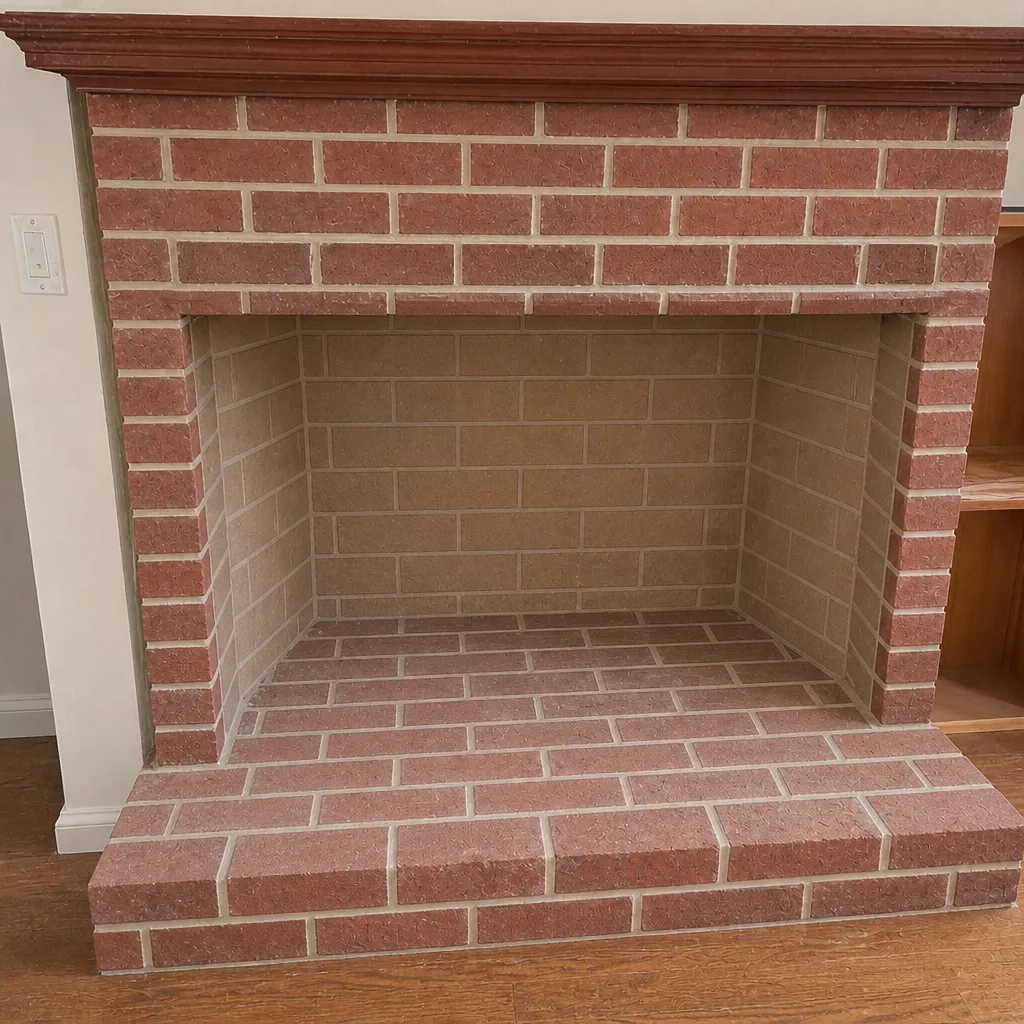
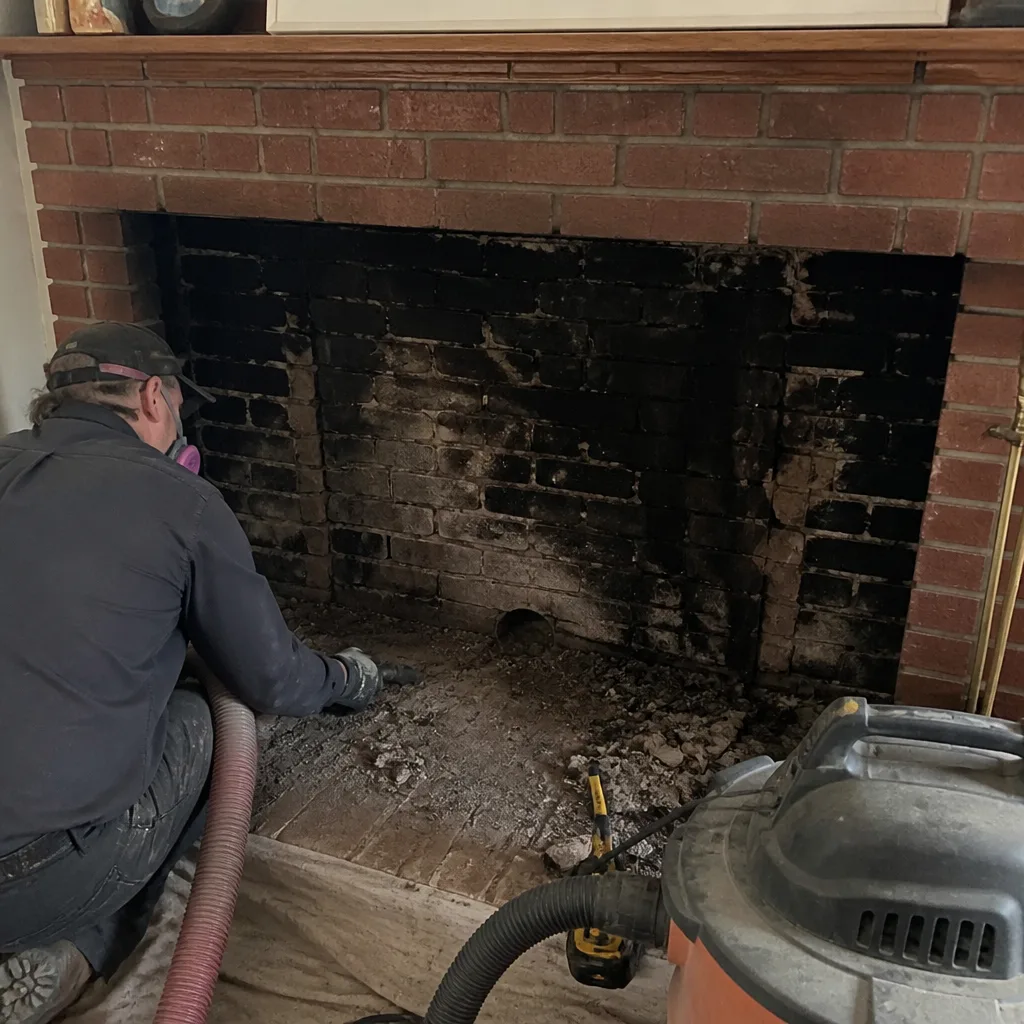
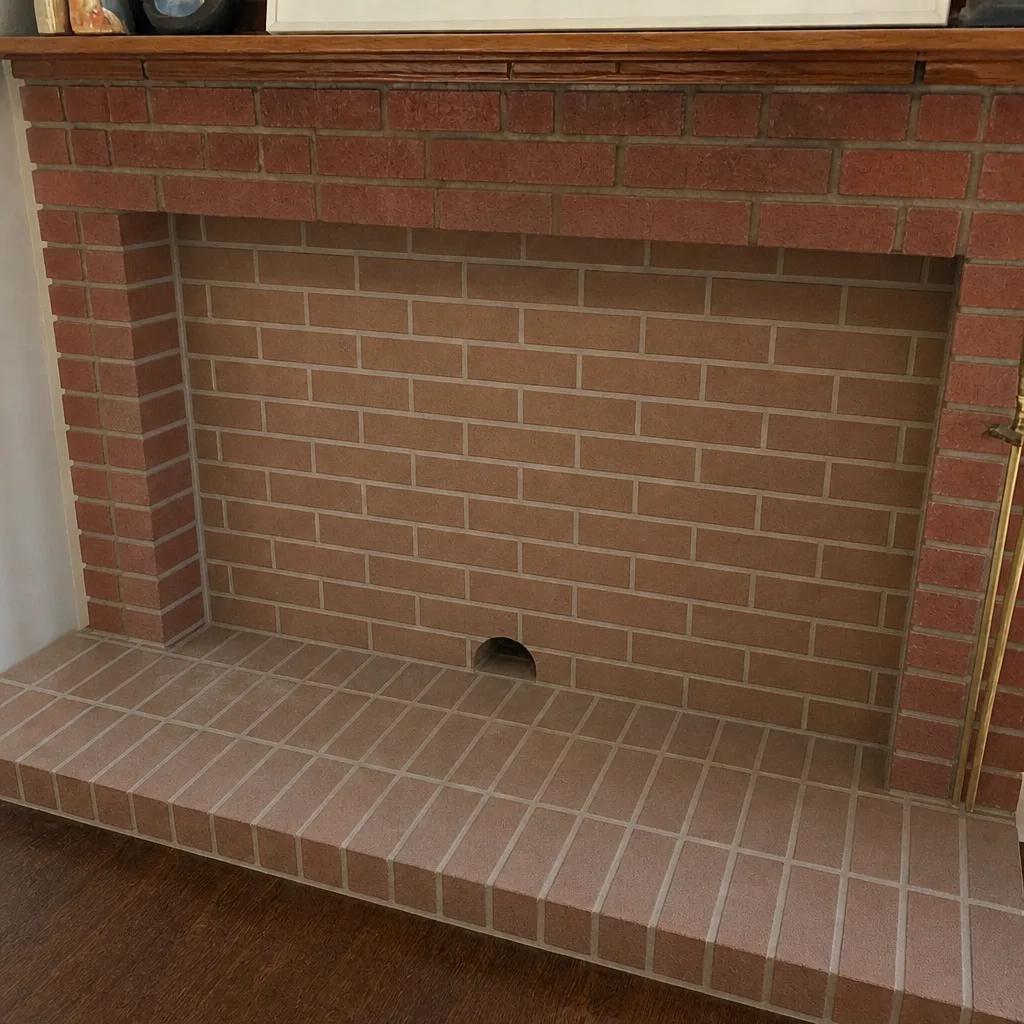
See the difference
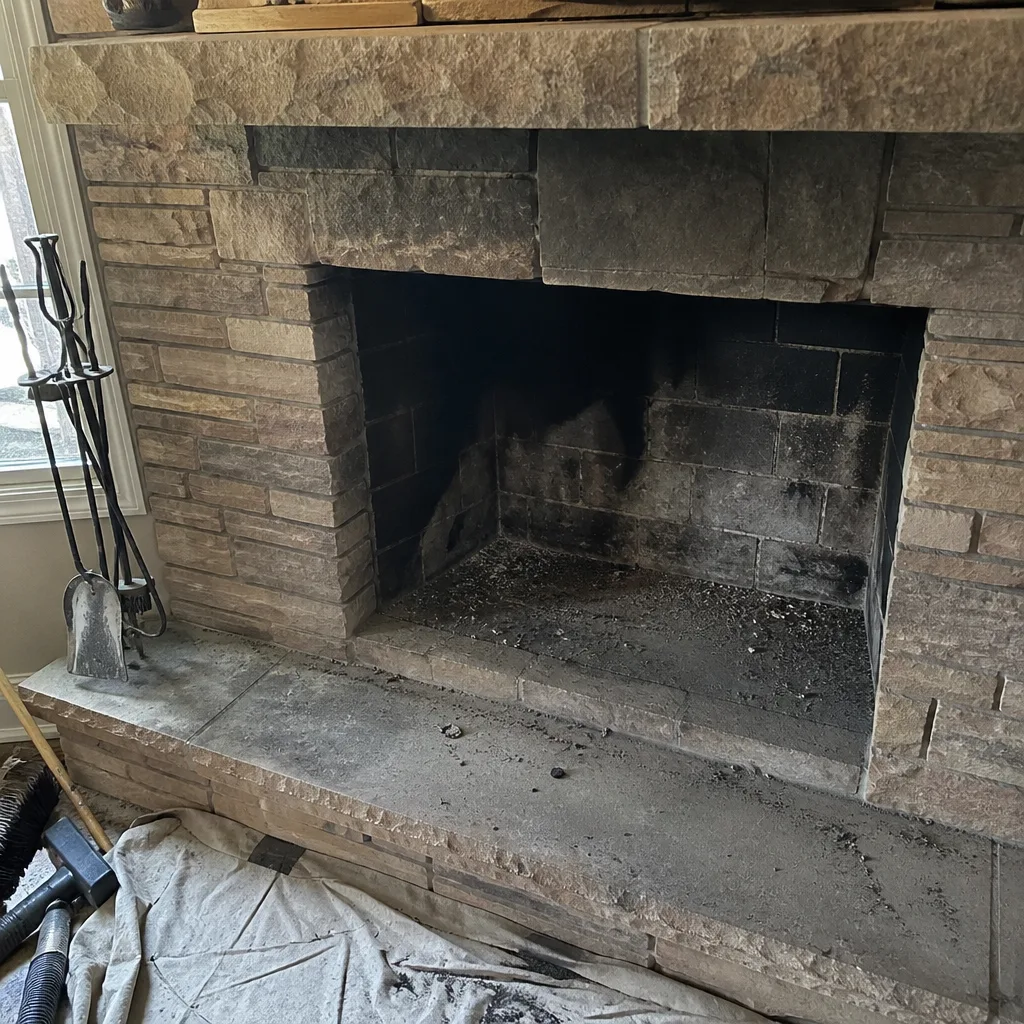 Before
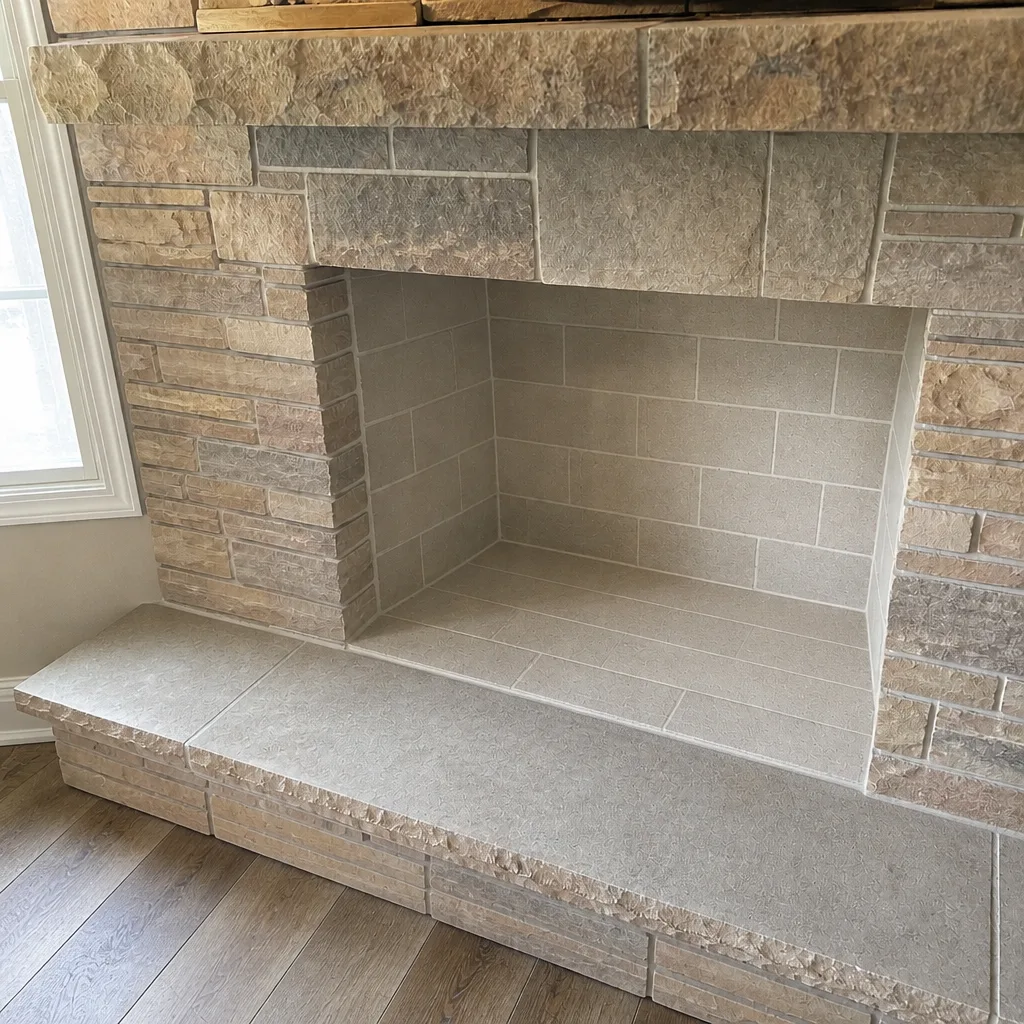 After
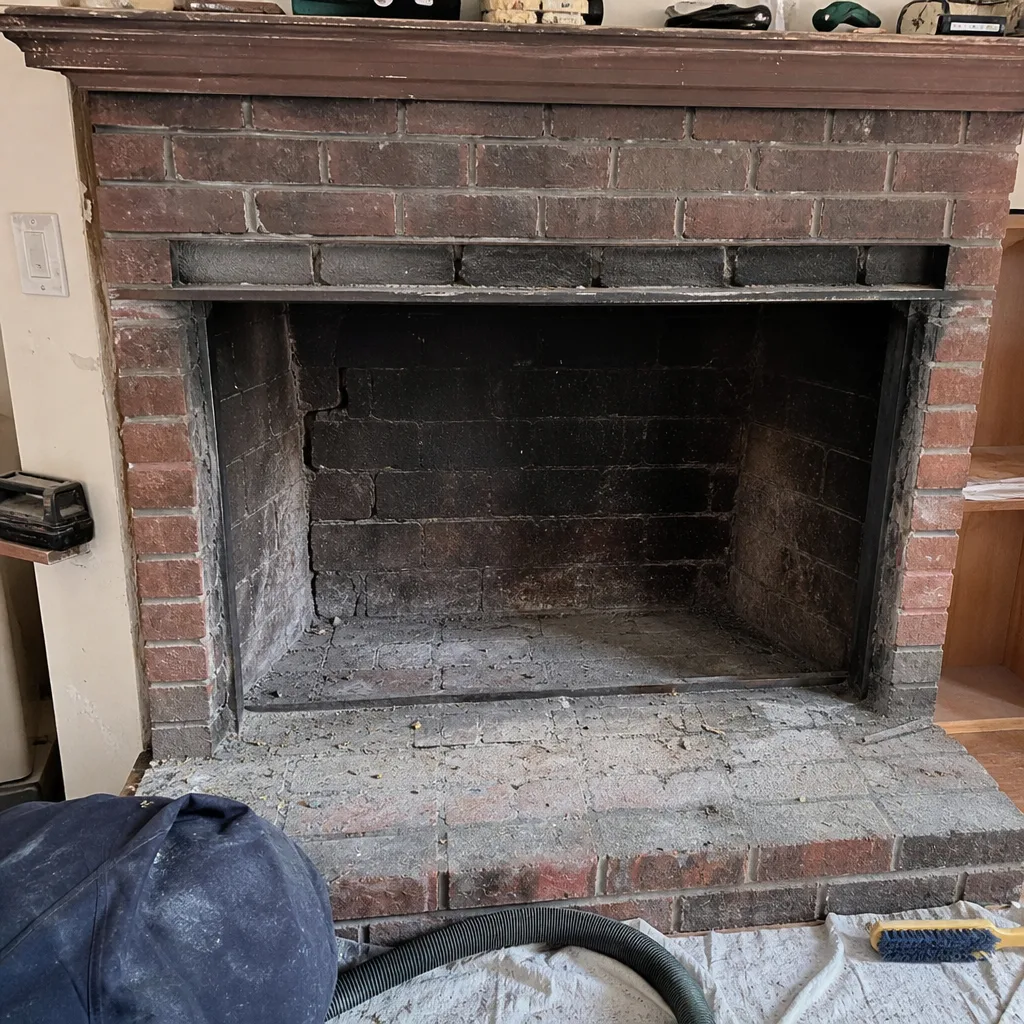 Before
 After
 Before
 After
When to Call a Professional
For any of the following, stop considering DIY and make the call:
- Glazed or crusty creosote visible in the flue
- Any history of a chimney fire, even a small one
- A wood stove used as a primary heat source
- Smoke backing into the room
- A smell of creosote or smoke in the house when the fireplace isn’t in use
- Visible cracking, missing mortar, or spalling anywhere on the chimney exterior
- No sweep in the last several seasons
For anything involving the liner, the smoke chamber, the crown, the flashing, or a suspected chimney fire, the logic isn’t “should I DIY?” It’s “who do I trust to look at it?” Westminster Chimney Sweep Co offers free estimates in Westminster. Call (866) 786-8955. We answer 24/7. Fast dispatch from 7am to 7pm, Sunday through Friday.
Frequently Asked Questions
For a light, occasional-use chimney with only Stage 1 dusty soot, a homeowner with a correctly sized poly brush and real containment can brush the upper flue. For a wood-burning chimney with heavier creosote, especially Stage 2 or Stage 3, the work exceeds what a consumer kit safely handles and needs professional equipment and a trained eye. When in doubt, call (866) 786-8955 for a free estimate and a straight answer.
A chimney used for regular wood burning should generally be swept annually, and inspected at the same time; heavier use means more frequent sweeping. In Westminster’s dry, high-desert climate, the temperature swings can push creosote to harden faster, so a heavily used wood-burning fireplace warrants closer attention than a decorative one. Ask a professional what your specific appliance and burning habits call for.
Creosote accumulates and hardens into Stage 2 and Stage 3 glazing, which raises the risk of a chimney fire, and a partial flue blockage can push carbon monoxide back into the house. It’s not a “won’t happen to me” scenario; it’s a buildup that happens quietly over seasons. Schedule a sweep before heating season rather than after the first cold snap.
No. Stage 3 glazed creosote is fused to the flue wall and won’t come off with a consumer brush; forcing it can loosen debris that blocks the flue. Professional rotary equipment or specialist resurfacing, such as HeatShield, Gelco, or Olympia Chimney, is the right way to address it. Call (866) 786-8955 to have a technician assess the flue before you attempt anything.
Gas fireplaces don’t produce creosote the way wood does, but they still need periodic inspection of the venting and combustion side, and debris can accumulate in the log set and burner area. A light internal clean is reasonable to consider DIY, but vent and combustion checks call for a professional. A free estimate will tell you what your specific gas unit actually needs, and what can safely wait.
Not one worth hiring. A trustworthy sweep looks with a chimney camera and documents the liner, smoke chamber, crown, and flashing, and shares what they find so you can see it for yourself. If a job can wait, they should tell you so, and nothing should be recommended without camera evidence you can look at. Call (866) 786-8955 for an exact quote. Estimates are free.
The Bottom Line
Chimney cleaning is one of those jobs where the visible work is the easy half. Yes, a homeowner with a brush kit and a vacuum can clear light soot from a lightly used chimney. But the work that keeps a Westminster home safe from creosote fire, carbon monoxide, and water damage happens where the brush doesn’t reach and where the roof-level view matters. The fire climate in this corner of Colorado makes that gap wider, because creosote here hardens and glazes faster. If you burn wood seriously, or if it’s been more than a season or two since your last sweep, the question isn’t “should I DIY?” It’s “who can see what I can’t?” For most Westminster homeowners, that’s a professional with the right equipment and the repair capability to act on what they find. One call covers the whole chimney system, and we inspect it and we can fix it with no second contractor.
For an exact quote and a free estimate, call (866) 786-8955. We answer 24/7. Fast dispatch from 7am to 7pm, Sunday through Friday. Professional-grade materials from brands chimney specialists trust, from your annual sweep to full liner restoration.
Written by the team at Westminster Chimney Sweep Co.