
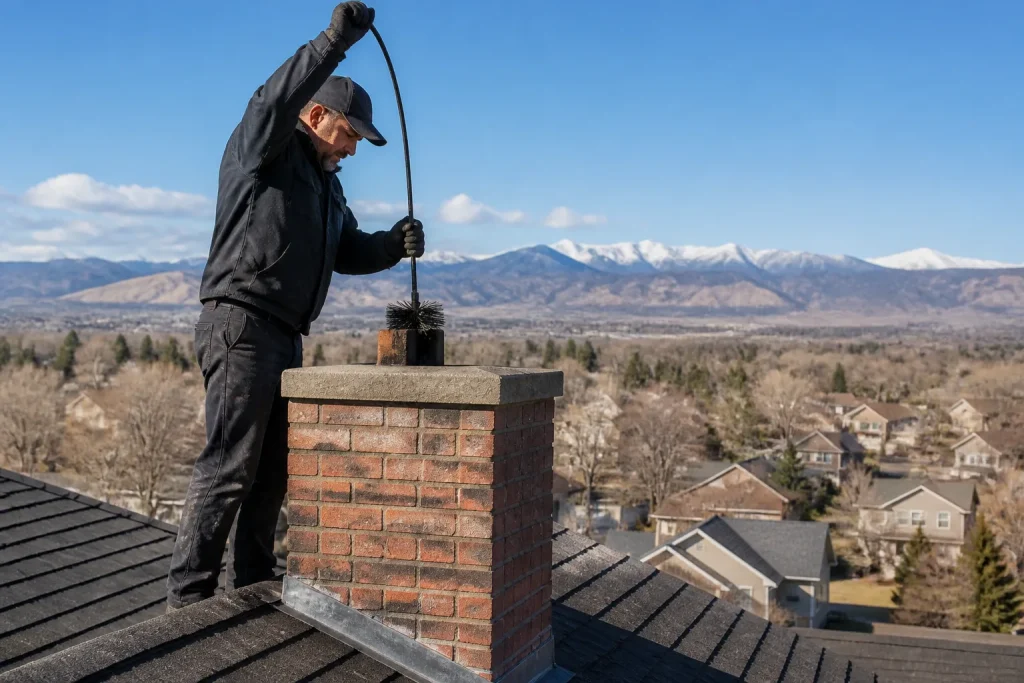
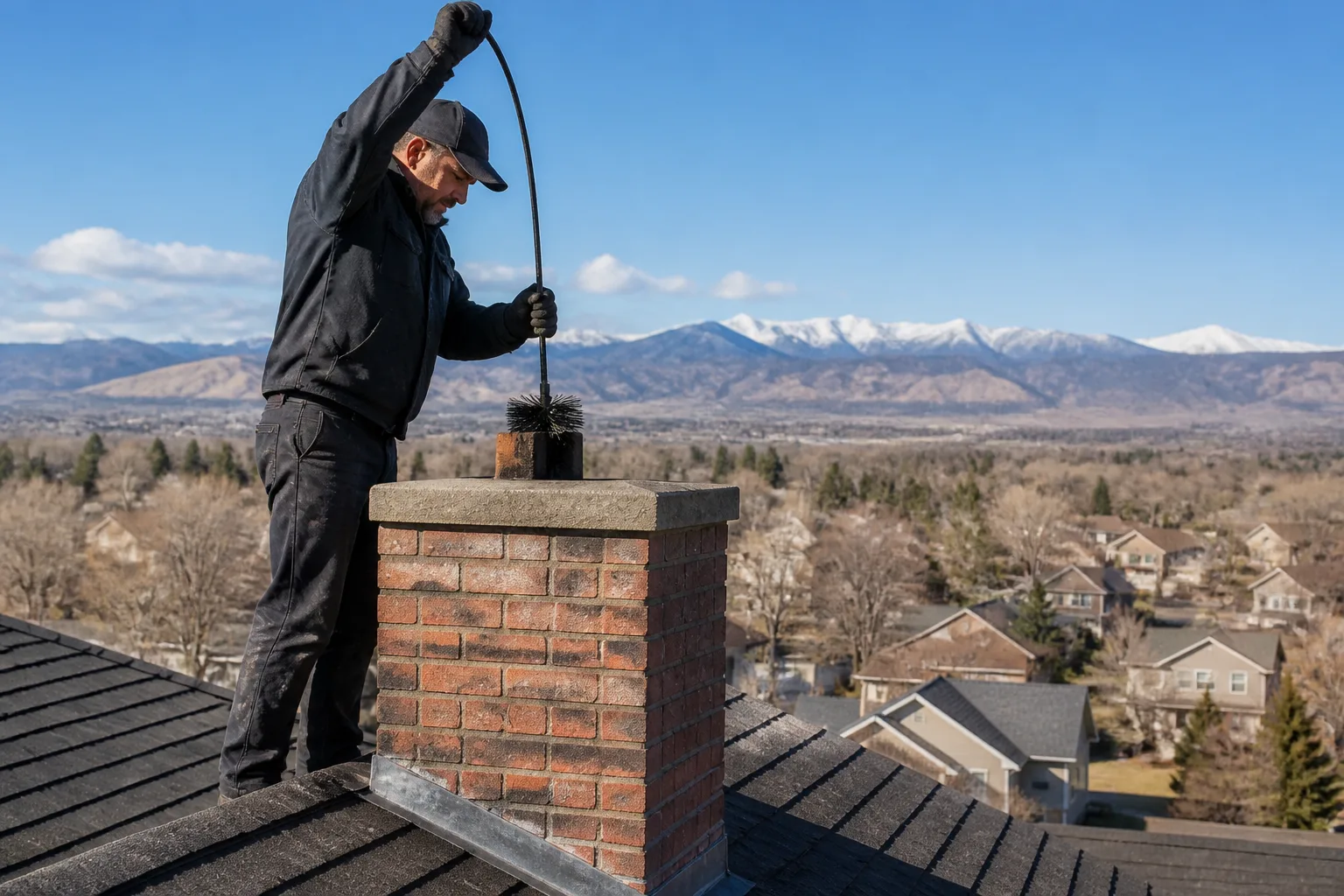
DuraFlex Chimney Sweep in Westminster: A Homeowner’s Guide
If a contractor recommends a DuraFlex liner without first showing you a camera inspection of your existing flue, you have no basis for judging whether you need it. DuraFlex is a flexible stainless steel liner system, and it’s genuinely excellent at what it does. The sales pitch around it sometimes isn’t. This guide explains what DuraFlex is, when it’s the right call, when a cheaper option works just as well, and how to read an inspection report so you can decide for yourself. If you’d rather have a trained eye look at it, call (866) 786-8955.
What Is DuraFlex, and Why Does Flexibility Matter in Westminster Homes?
DuraFlex is a flexible stainless steel chimney liner: a continuous corrugated tube that slides down an existing flue to create a new, sealed path for smoke and gases. It’s manufactured in grades suited to wood, gas and oil appliances, and it’s one of the professional product lines we install. Why flexible rather than rigid? Because a lot of Westminster’s older housing stock has chimneys that don’t run straight. Offset flues, slight bends, and masonry that shifted over the decades are common here, and a rigid liner section simply won’t pass through them without major demolition. A flexible liner follows the path the chimney actually takes.
Flexibility also means less tear-out. Where a rigid stainless liner might require opening a wall or dismantling part of the chimney chase, a DuraFlex liner can often be routed through the existing structure. That translates into less disruption inside the house and, typically, a lower total project cost. It’s not a universal answer, though, and that’s the part worth understanding before you sign anything.
DuraFlex vs. Rigid Stainless vs. Cast-in-Place: Which Liner Is Right?
There’s no single “best” liner. The right choice depends on the condition of your chimney, its shape, and what you’re venting. Here’s how the main options compare in plain terms:
- Flexible stainless (DuraFlex): Best for offset or irregular flues, and for older Westminster chimneys where tear-out would be costly. Follows bends, installs with less demolition, and suits wood, gas and oil appliances when the correct grade is specified.
- Rigid stainless: A strong choice for straight flues with good geometry. It can offer a smoother interior and a longer service life in the right application, but it can’t navigate offsets without sectional work.
- Cast-in-place (such as HeatShield resurfacing): A restoration approach rather than a new liner. HeatShield can rehabilitate a deteriorating flue by resurfacing it from the inside, and it’s often the cost-conscious path when the existing liner is cracked or spalling but structurally sound enough to be restored.
In our experience, the honest recommendation comes down to what the camera shows: flue geometry, the extent of damage, and the appliance you’re venting. A specialist who works with DuraFlex, HeatShield and Olympia Chimney regularly can match the material to the condition, rather than pushing whichever liner is easiest to sell.
How to Read a Camera Inspection Report Before You Agree to Reline
A camera inspection is the whole basis for a relining decision, so ask to see the footage and the report, not just a summary. A proper inspection documents the flue from the firebox up to the cap, notes any gaps, cracks, or separation in the existing liner, and shows where the damage sits relative to offsets and joints. If a technician can’t or won’t walk you through the video, that’s your cue to get a second opinion.
A few things to look for:
- Where the damage is. Cracks concentrated at a joint or offset tell a different story than widespread spalling along the whole flue.
- The condition of the existing liner material. Clay tile, older metal, or an unlined chimney each call for a different approach.
- Whether the report explains why. “You need a liner” isn’t an answer. “Your flue has separated tiles at two joints and a gap near the smoke chamber” is.
If the findings show light, localized issues, resurfacing with HeatShield may be all that’s needed. If the flue is badly compromised or the geometry rules out resurfacing, a DuraFlex liner becomes the sensible route. Westminster homeowners deserve to see the evidence either way.
What a DuraFlex Liner Installation Actually Involves
The process is less dramatic than it sounds. After the inspection confirms a liner is needed and the correct grade is specified, the crew typically cleans the flue thoroughly, then feeds the flexible DuraFlex liner down from the top, following the chimney’s path. It’s connected to the appliance at the bottom and terminated at the top, usually with a cap, and the whole system is checked and smoke-tested before it’s signed off. In many cases the work happens without opening walls or tearing into the chimney chase.
What you should expect as a homeowner: a clear scope in writing before work starts, protection of the surrounding room, and a walk-through when the job is done. Where the existing flue is degrading, HeatShield resurfacing or a Gelco product may be discussed alongside the liner to address related condition issues. If a cap or crown is old or missing, that’s the moment to sort it, because a correctly fitted cap is the most cost-effective way to keep water out of a new liner. This is one reason we handle the sweep, the inspection, and the repair as a single job: findings get acted on immediately, with no second contractor and no gap in accountability. If related fireplace work comes up, our fireplace repair team can pick it up without a handoff.
Lifespan, Warranty, and Maintenance in Colorado’s Climate
A properly installed DuraFlex liner, in the correct grade for the appliance, is built for a long service life, and it carries a manufacturer’s warranty worth reading closely: coverage usually depends on correct installation, the right grade, and regular maintenance. Those are conditions, not fine print to skip. In Colorado’s climate, the freeze-thaw cycle is the biggest threat to a chimney. Moisture gets into masonry, freezes, expands, and works at the structure from the inside. That makes the cap and crown, and a watertight top termination, as important as the liner itself.
Maintenance comes down to annual inspection and regular sweeping. A wood-burning appliance should be swept based on how much you burn, and gas appliances should still be checked yearly. A qualified technician with up to 9 years of experience can tell you at each visit whether the liner is holding up, whether the cap needs attention, or whether anything is changing. For the full picture on routine cleaning, see our chimney sweep service.
When to Call a Pro
Relining isn’t a job to take on yourself. A stainless liner has to be correctly sized, correctly graded for the fuel, and sealed at both ends; a wrong or loose installation is worse than no liner at all, because it can trap creosote or let gases escape where you can’t see them. Likewise, if you notice smoke backing into the room, a persistent smell, or visible damage to the flue, don’t run the appliance until it’s been checked. Call us instead of guessing.
The Bottom Line
DuraFlex is a strong, practical answer for many Westminster chimneys, especially those with offset flues and older construction where a rigid liner won’t fit without demolition. But the product is only as good as the diagnosis behind it. Insist on seeing the camera inspection, ask why a flexible liner beats resurfacing with HeatShield or a rigid option in your case, and make sure the cap and crown are handled at the same time so water can’t undo the work. Our technicians have up to 9 years of experience, and we inspect it and we can fix it under one roof. If you’re in Westminster and need help, Westminster Chimney Sweep Co offers free estimates. Call (866) 786-8955.
Related services in Westminster: Westminster Chimney Sweep Co for the full service range, and chimney repair for structural and crown work.
Frequently Asked Questions
DuraFlex is a flexible stainless steel chimney liner system used to reline an existing flue, often without major demolition. Its flexibility lets it follow offset or irregular flues common in older Westminster homes, and it’s available in grades for wood, gas and oil appliances. It’s one of the professional product lines we install.
You need a camera inspection first, and you should see the footage yourself. If the report shows separated tiles, cracks along the flue, or an unlined chimney venting a modern appliance, relining is usually warranted. If the damage is light and localized, resurfacing with HeatShield may be the cheaper path. Don’t agree to a liner without seeing the evidence. Call (866) 786-8955 for an exact quote, and estimates are free.
Plan to be available at the start and end of the job. We walk through the scope in writing before work begins and do a final check when it’s done, and it helps to have you on hand for both. Much of the work happens at the top of the chimney and inside the flue, so the disruption inside the house is usually limited.
We’re closed Saturday. We’re open Sunday through Friday, 7am to 7pm, and a call outside dispatch hours is booked into the next opening. Call (866) 786-8955. We answer 24/7. Fast dispatch from 7am to 7pm, Sunday through Friday.
Written by the team at Westminster Chimney Sweep Co.
Need Chimney Cleaning Help?
Call Westminster Chimney Sweep Co - the local pro we connect you with is licensed and insured, with free written estimates in Westminster.
(866) 786-8955