
Last updated November 23, 2026
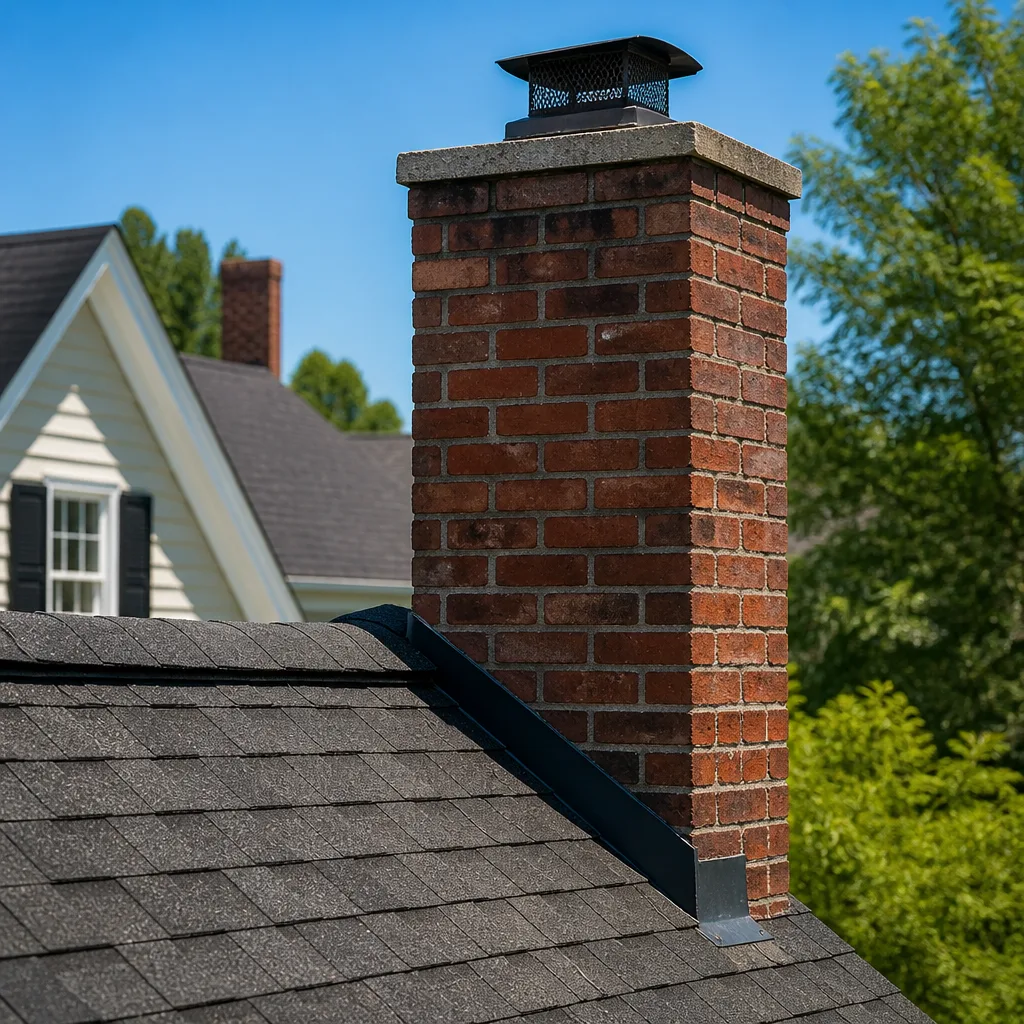 Sweep & inspection
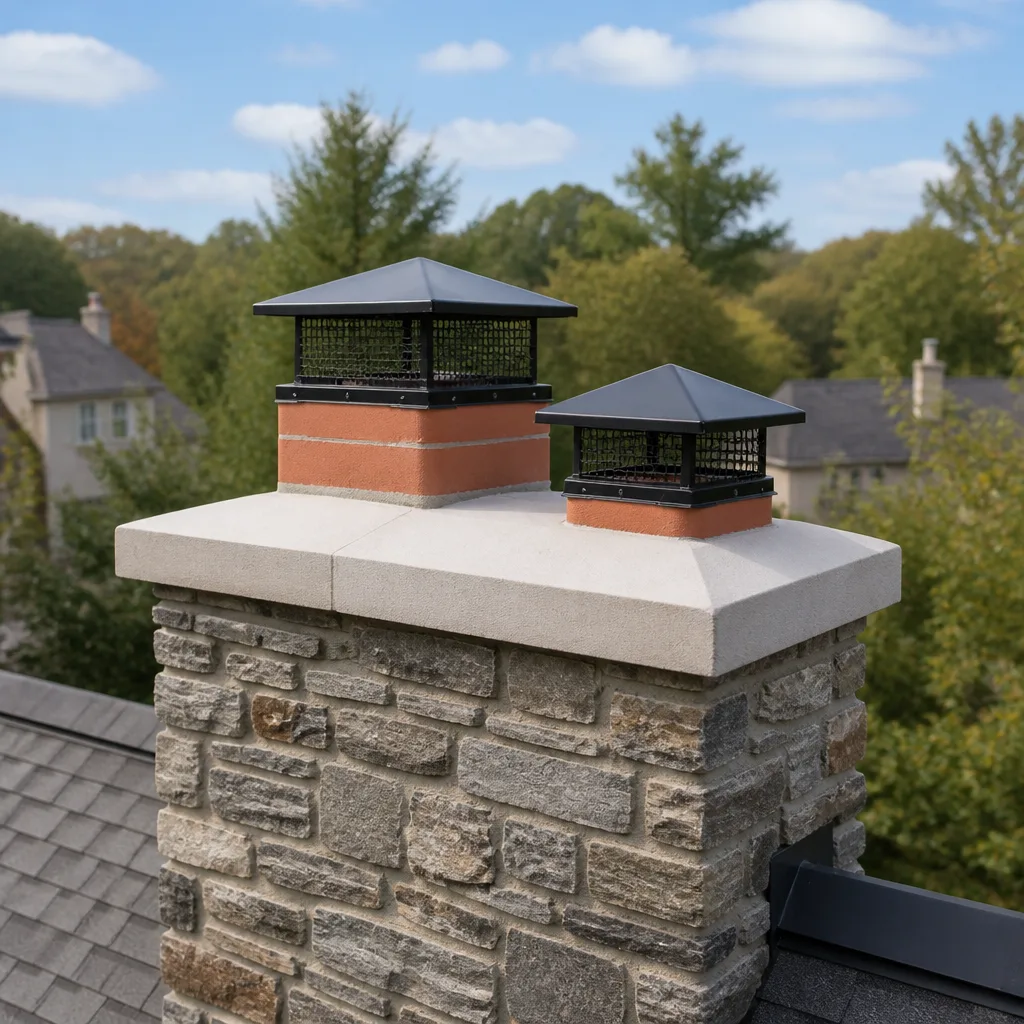 Caps & crowns
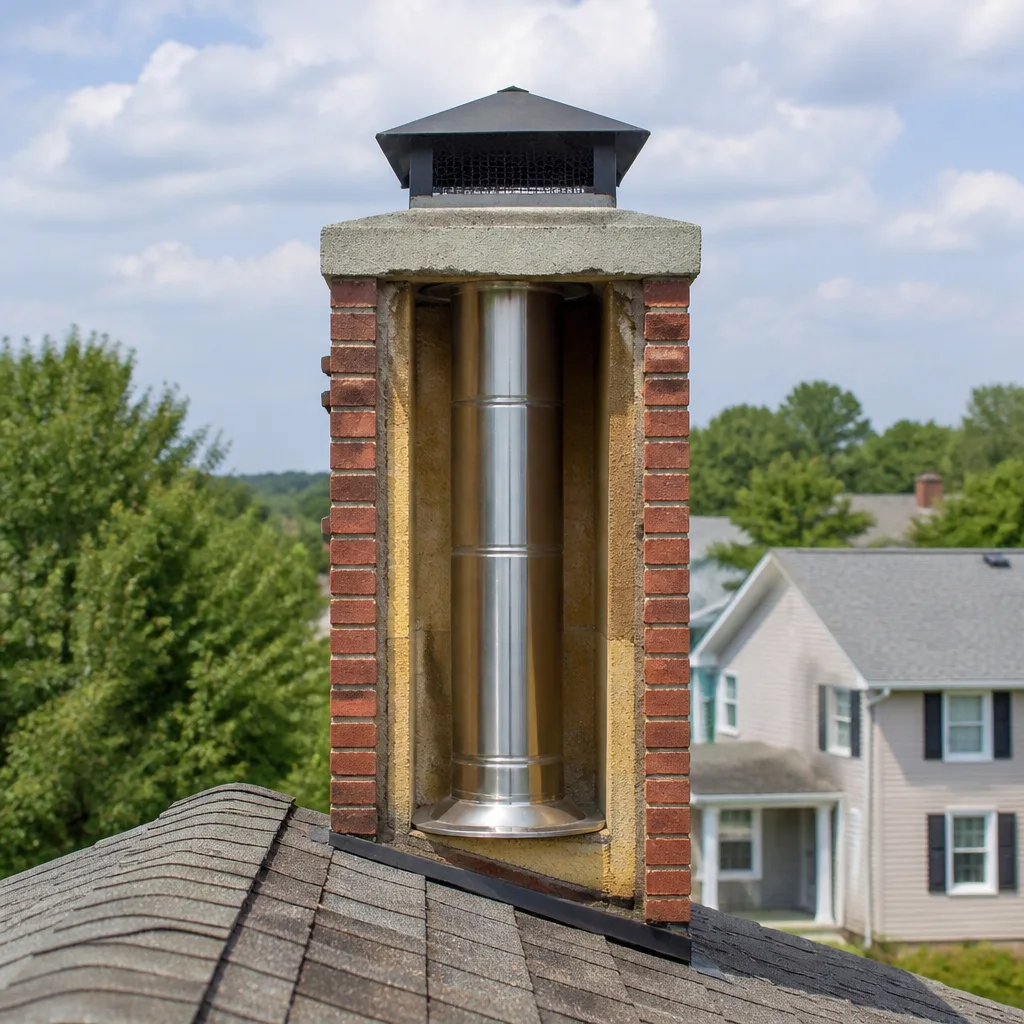 Flue relining
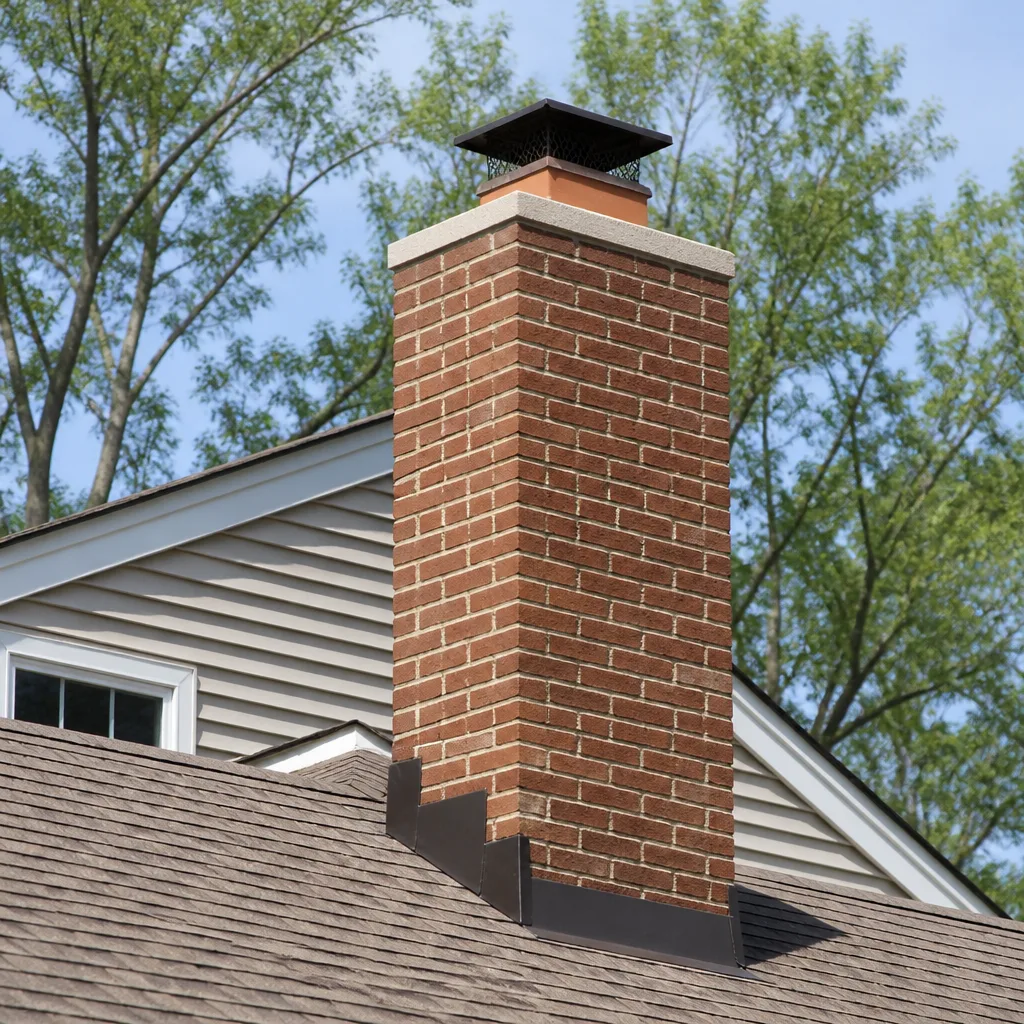 Masonry repair
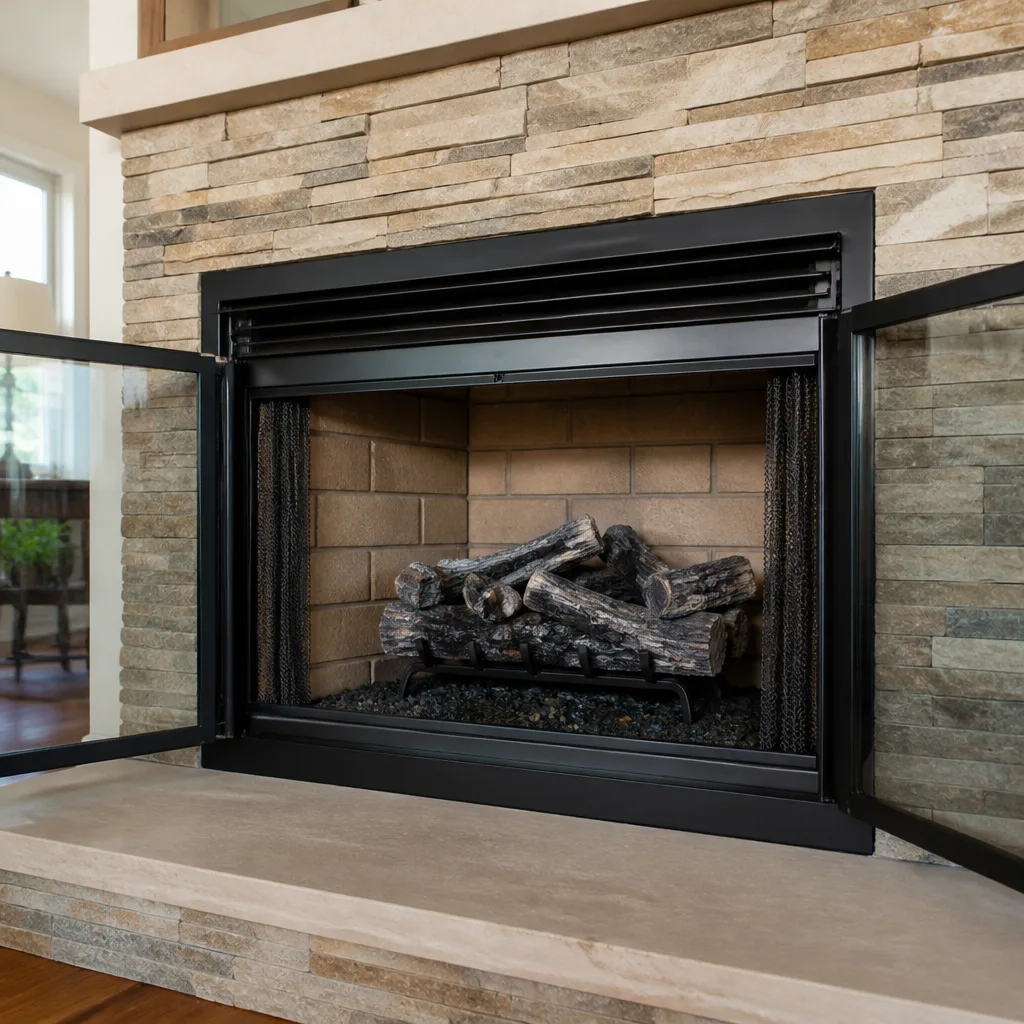 Gas fireplace service
Level 1 sweep and inspection to the NFPA 211 annual standard - flue, crown, cap, and flashing checked and photographed
Chimney sweep logs do not sweep chimneys. They loosen some creosote - which then falls where a brush and vacuum still have to collect it.
The Complete Guide to Chimney Cleaning in Westminster
Most chimney fires don’t start in neglected flues. They start in chimneys that were cleaned on a calendar instead of on a condition. A homeowner books a sweep every year, the technician runs a brush, and everyone feels fine until the day the flue lights off because the creosote that formed between visits was never measured, only assumed away. Westminster sits at roughly 5,400 feet, and that elevation changes the way wood burns, the way smoke cools, and the way creosote accumulates inside your flue. Cleaning on a schedule without checking the condition is how that gap opens up. This guide walks through what a real chimney evaluation in Westminster involves, how the three inspection levels differ, what a crew should document on a visit, and how to read the report when it lands in your inbox.
Quick Answer
Chimney cleaning in Westminster is a diagnostic process, not a single appointment. A proper visit begins with an inspection level matched to your system, identifies what’s actually inside the flue, and only then decides whether sweeping, repair, or no action at all is the right outcome. The cleaning is one possible result of that evaluation, not the starting point.
Styles & brands we work with
- Sweep & inspection
- Caps & crowns
- Flue relining
- Masonry repair
- Gas fireplace service
Table of Contents
- Why Westminster Chimneys Behave Differently
- The Three Inspection Levels and Which One Applies
- What a Real Chimney Sweep Should Document
- Creosote Types and What Color and Texture Tell You
- Why Colorado Wood Burns Differently Than Lower-Altitude Cordwood
- How to Read Your Post-Cleaning Report
- Gas Fireplaces Still Need Attention
- How Often Should a Westminster Chimney Be Swept?
Why Westminster Chimneys Behave Differently
Westminster’s 5,400-foot elevation and consistently low humidity create combustion conditions that lower-altitude markets don’t see. Air holds less oxygen at elevation, so a fire that looks healthy from the hearth is often running leaner than the homeowner realizes. Add the dry Colorado air, which pulls moisture from firewood faster in storage but also dries it unevenly, and you get wood that burns hot on the surface and smolders underneath. That combination produces smoke that cools quickly inside the flue before it exits.
Cooled smoke is the problem. When flue gases drop below a critical temperature, unburned wood tar condenses on the flue walls instead of venting out the top. At sea level, the flue stays hot for longer and carries more of that material away. In Westminster, the same fire, same wood, same appliance can leave noticeably more residue behind.
What that means in practice
- Stage 2 creosote forms faster. That’s the crusty, flaky, tarry layer that ignites more readily than the soft soot most homeowners picture when they hear “creosote.”
- Shoulder seasons are rough on flues. Spring and fall in Westminster bring wide day-to-night temperature swings that encourage cold flues and slow draft, which encourages condensation.
- Short, hot fires are easier on the flue than long, slow ones. A smoldering overnight fire produces more residue than a bright, active burn.
- Dry wood matters more here. Seasoned wood at 15-20% moisture content is a general industry target, and at Westminster’s humidity levels it’s achievable with careful storage. Wood that’s still wet inside will smoke no matter what appliance you feed it to.
None of this means Westminster homes are inherently dangerous. It means the interval between safe and unsafe can be shorter here than the typical once-a-year rule of thumb suggests. The condition inside the flue drives the schedule, not the calendar.
The Three Inspection Levels and Which One Applies
Not every visit needs the same depth of evaluation. The chimney trade uses three inspection levels, and matching the right level to your situation is the first real decision in the process. Getting it wrong in either direction wastes money or misses a problem.
Level 1 Inspection
A Level 1 inspection covers the readily accessible portions of the chimney and appliance without tools that require opening anything up. The technician views the firebox, damper, smoke chamber, visible flue surfaces, and the exterior from ground level. It’s the appropriate level when your system is unchanged since the last evaluation and you’re simply keeping up with routine maintenance. If you’ve burned the same fuel in the same appliance the same way, Level 1 is often the right starting point. It’s fast, and it catches obvious problems.
Level 2 Inspection
A Level 2 inspection goes further. It applies whenever something has changed or is about to change: a new appliance, a change in fuel type, a chimney that has been through a chimney fire, a real estate transaction, or the aftermath of a significant weather event. It requires access to the entire flue, and that usually means video camera inspection of the interior. The camera is the important part. It lets you see the flue wall condition, joints, offsets, and any cracking or separation that no level of external looking can reveal.
Level 3 Inspection
A Level 3 inspection is diagnostic and often destructive. It’s reserved for situations where a serious hazard is suspected but can’t be confirmed through the first two levels, and it may require removing parts of the chimney structure or adjacent building materials. It’s uncommon in routine maintenance and typically only follows a Level 1 or Level 2 finding that needs explanation.
Which one applies to you
- Steady routine use, no changes: Level 1 with visual follow-through.
- New to you home, new appliance, or change in fuel: Level 2.
- Chimney fire history or suspected structural damage: Level 2, escalating to Level 3 only if the findings demand it.
- Pre-sale transaction: Level 2, since a buyer’s inspector will typically ask for one.
In our experience, homeowners in Westminster often arrive at a Level 1 state of mind and discover a Level 2 situation once the camera goes in. It’s not upselling when the camera evidence is placed in front of you. The choice is yours to make with the images in hand.
What a Real Chimney Sweep Should Document
The cleaning itself is a small part of a real evaluation. The documentation is where the value lives, because it’s what tells you whether the chimney is safe today and what it will need next. A thorough visit produces a physical record, not a verbal thumbs-up and a receipt.
What should be photographed or noted on a Westminster visit
- The firebox and damper condition, with notes on any cracking, warping, or gaps in the mortar joints.
- The smoke chamber and smoke shelf, the area above the damper where turbulence and residue collect. This is a spot many quick sweeps don’t reach.
- The flue interior, either through visible access or video camera inspection, with specific callouts of the creosote type and distribution.
- The chimney cap and crown, which are the two most common entry points for water intrusion and the most frequent root cause of ongoing deterioration.
- The exterior chimney chase or masonry stack, looking for spalling, cracked mortar, efflorescence, or tilted caps.
- The appliance connection for wood stoves and inserts, including whether the connector is securely fitted and sealed.
- The overall recommendation, in writing, with the camera images supporting whatever is being advised.
What you should never see is a written recommendation for expensive liner or masonry work with no camera evidence behind it. If a contractor tells you the flue is deteriorated and asks you to trust that, ask to see the images. A chimney specialist working with professional-grade products like HeatShield or DuraFlex has every reason to show you the truth, and no reason to hide it.
Creosote Types and What Color and Texture Tell You
Creosote comes in three general stages, and the difference between them is the difference between routine maintenance and a serious hazard. Homeowners who understand these stages read their own chimney’s condition far more accurately than a calendar can.
Stage 1: Soft and sooty
This is the fluffy, dark gray to black soot you picture when you hear “chimney sweep.” It brushes away easily and accumulates on flue walls as fine particles. Stage 1 is the normal byproduct of regular wood burning and is manageable with routine sweeping. It’s also the only stage that a typical brush handles well.
Stage 2: Crusty and flaky
Stage 2 creosote is a harder, denser layer that comes away in flakes, curls, or crusts. It bonds to the flue wall more tenaciously than Stage 1 and requires more mechanical effort to remove. Critically, Stage 2 burns hotter and more readily than Stage 1. This is the stage that most often coincides with chimney fires, and it forms more quickly in Westminster’s cooler, lower-pressure flue conditions.
Stage 3: Glazed and tarry
This looks less like soot and more like a hard, shiny enamel coating on the flue wall. Stage 3 is dense, highly combustible, and difficult to remove with ordinary brushes. It usually needs chemical or specialized mechanical treatment. When Stage 3 is present, the flue needs restoration, not just cleaning. Products like Gelco are used in these situations specifically because they’re formulated to break down glazed creosote.
What to do with that information
- Stage 1: book a sweep, keep burning seasoned wood, maintain the schedule.
- Stage 2: book a sweep, and ask the crew to document the flue wall condition with photos. Plan on a shorter interval than a year.
- Stage 3: this is a repair conversation, not just cleaning. Ask about liner resurfacing or replacement options and get the camera evidence before deciding.
Color helps, but texture matters more. A flue that’s light gray and dusty on the surface but crusty underneath is still a Stage 2 situation. The technician should be able to explain what they found in plain terms.
Why Colorado Wood Burns Differently Than Lower-Altitude Cordwood
If you’ve ever bought a cord of wood sold locally and compared it to firewood from a lower-elevation seller, you may already know the difference in your hands. Colorado wood, particularly pine and aspen, carries different resin and moisture characteristics than hardwood sold in lower-altitude markets. It burns faster and hotter in some ways and cooler and smokier in others, and the flue sees the consequences.
Pine
Pine is common in Westminster-area firewood because it’s local, abundant, and burns hot. It’s also resinous, which means it produces more of the tar that leads to creosote. It doesn’t need to be avoided entirely, but it needs to be fully seasoned before use, and it’s a poor choice for a low, smoldering overnight fire. Pine burned well and hot is fine. Pine burned slow and cold leaves the flue rougher than hardwood does.
Aspen
Aspen is a Colorado staple. It’s a softer wood that burns quickly and produces lower heat per cord than hardwoods, which means more cords for the same heat output. That also means more total flue gas passed through the chimney over a season. Aspen residue tends to be lighter and ashier than pine or hardwood soot, but “ashier” doesn’t mean “safer.” Volume still adds up.
Hardwoods
Imported hardwoods like oak and maple are excellent choices but cost more in Westminster than they would in lower-elevation markets because of transport. They produce denser heat and less resinous residue, which makes them worth the premium for heavy burners. Season them well, store them off the ground, and keep them covered on top only so the sides can breathe.
How to read your own firewood
- Check the ends. Well-seasoned wood shows radial cracking and dull color at the cut ends.
- Check the weight. Dry wood feels noticeably lighter than the same piece would green.
- Knock two pieces together. A sharp crack sound means it’s dry. A dull thud means it isn’t.
- Test a split piece with a moisture meter if you burn regularly. Anything above 20% reads wet for practical purposes.
Wood quality is the single biggest lever a Westminster homeowner controls in how much creosote forms. Changing wood without changing anything else can move you from Stage 1 residue to Stage 2 residue and back again. That’s also why cleaning on condition is more accurate than cleaning on schedule.
How to Read Your Post-Cleaning Report
A post-cleaning report should tell you what was found, what was done, and what to keep an eye on. When it doesn’t, the cleaning probably wasn’t as thorough as it should have been. Reading the report like a specialist instead of like a customer is the fastest way to tell the difference.
What a complete report includes
- Inspection level performed, and why that level was chosen.
- Before-and-after photos of the flue interior with the creosote type identified (Stage 1, 2, or 3).
- Condition of the firebox, damper, smoke chamber, and cap, with any findings noted.
- Video camera link or images if a Level 2 inspection was performed.
- Recommendations separated into “needs attention now” and “monitor.”
- A recommended next sweep window based on what was found, not on a default annual schedule.
Red flags that indicate skipped steps
- No photos. If the report is a line item receipt with no documentation, ask why not.
- A recommendation for major work with no camera evidence. Liner replacement or masonry repair without images is a red flag.
- No mention of creosote stage. If the technician didn’t say what was in the flue, they may not have looked.
- A generic “come back next year” with no condition-based reasoning for the interval.
- A report that only mentions the firebox. The firebox is the easiest part to clean and the least informative about flue safety.
- No mention of the cap or crown. Water intrusion is the leading cause of chimney deterioration, and a report that skips the chase and crown missed half the story.
If you want to know whether a recommendation is safe to defer, the answer should always come from what the camera saw. Some things genuinely can wait a season. A hairline crack in a mortar joint above the damper is often a monitor item. A separated flue tile at the top of the stack is not. A crew willing to say which is which has nothing to lose by being honest, and that’s the crew you want on your roof.
Gas Fireplaces Still Need Attention
Gas fireplaces get a lot of homeowners thinking they can skip chimney care entirely, because there’s no creosote in a gas flue. There isn’t, in the way a wood flue has creosote. But gas appliances have their own maintenance needs, and the flue still matters.
Gas fireplaces deposit small amounts of dust, oxidation, and insect debris in venting over time, and the vent termination at the top of the chase can clog. The firebox itself needs periodic cleaning and inspection of the burners, logs, and pilot assembly. Venting connections need regular visual checks for separation. A fireplace repair visit for a gas unit is a different procedure from a wood sweep, and it should be treated as its own service item rather than an annual afterthought.
The chimney cap and crown matter for gas fireplaces too. In fact, they matter more, because a gas appliance isn’t putting hot combustion gases up the flue at the same volume as a wood fire, so the flue runs cooler and condensation (in the form of acidic moisture from the combustion process) has more time to sit on metal or masonry surfaces. Cap and crown integrity protects the whole assembly.
How Often Should a Westminster Chimney Be Swept?
There’s no single number that applies to every Westminster household. The general industry guidance is that a chimney should be cleaned when the creosote layer reaches roughly 1/8 of an inch, or when soot buildup is significant, and that most wood-burning chimneys should be evaluated at least annually regardless of use. That’s an evaluation cadence, not necessarily a cleaning cadence.
For a homeowner who wants a number in their head, think in terms of conditions rather than years:
- Heavy use (fires most cold nights through winter): plan on a condition check at the midpoint of the season, not just at the end.
- Moderate use (several fires a week during the coldest months): annual evaluation, and sweep when the report says sweep.
- Light use (occasional fireplace nights): annual evaluation is still the right cadence, because debris, nesting animals, and cap damage don’t wait for you to burn.
- Gas appliance: annual evaluation for appliance and venting condition, plus assessment of cap and crown.
- Any change in fuel, appliance, or behavior: immediate Level 2 inspection, regardless of the last sweep.
Westminster’s elevation nudges most households toward the shorter end of those ranges, because creosote builds faster here than the generic advice assumes. Our technicians have up to 9 years of experience, and the pattern we see locally is consistent: the homeowners who coast on a calendar are the ones who end up with Stage 2 findings at the annual visit. If you haven’t had a condition-based evaluation in the last twelve months, a chimney sweep with camera documentation is the right first step.
Common Mistakes to Avoid
- Cleaning on a calendar instead of on condition. A once-a-year sweep that never measures the creosote stage is guessing. In Westminster, the flue can go from Stage 1 to Stage 2 well before the year is up.
- Burning unseasoned pine because it’s cheap. Pine is a fine fuel when it’s dry, but wet pine is one of the fastest ways to build Stage 2 creosote. If the wood is wet, save it for next year.
- Assuming a gas fireplace doesn’t need attention. Gas appliances don’t form creosote, but venting, caps, and burner assemblies still need evaluation. Skipping gas maintenance is a common way to miss a water intrusion problem above the chase.
- Accepting a repair recommendation without camera evidence. If the flue is deteriorated, the images should be in front of you. Without them, the recommendation isn’t verifiable.
- Ignoring the chimney cap and crown. These are the two most common points of water entry, and Colorado’s freeze-thaw cycle punishes a damaged crown quickly. Water that gets in freezes, expands, and creates more damage the following season.
- Running long, low, smoldering fires to stretch the woodpile. A smoldering fire is the leading contributor to creosote buildup in a home flue. Shorter, hotter burns are easier on the chimney.
- Waiting until the first cold snap to book anything. Before the burn season starts is the right time for a chimney repair or inspection evaluation. Finding a problem in October is manageable. Finding it in December is not.
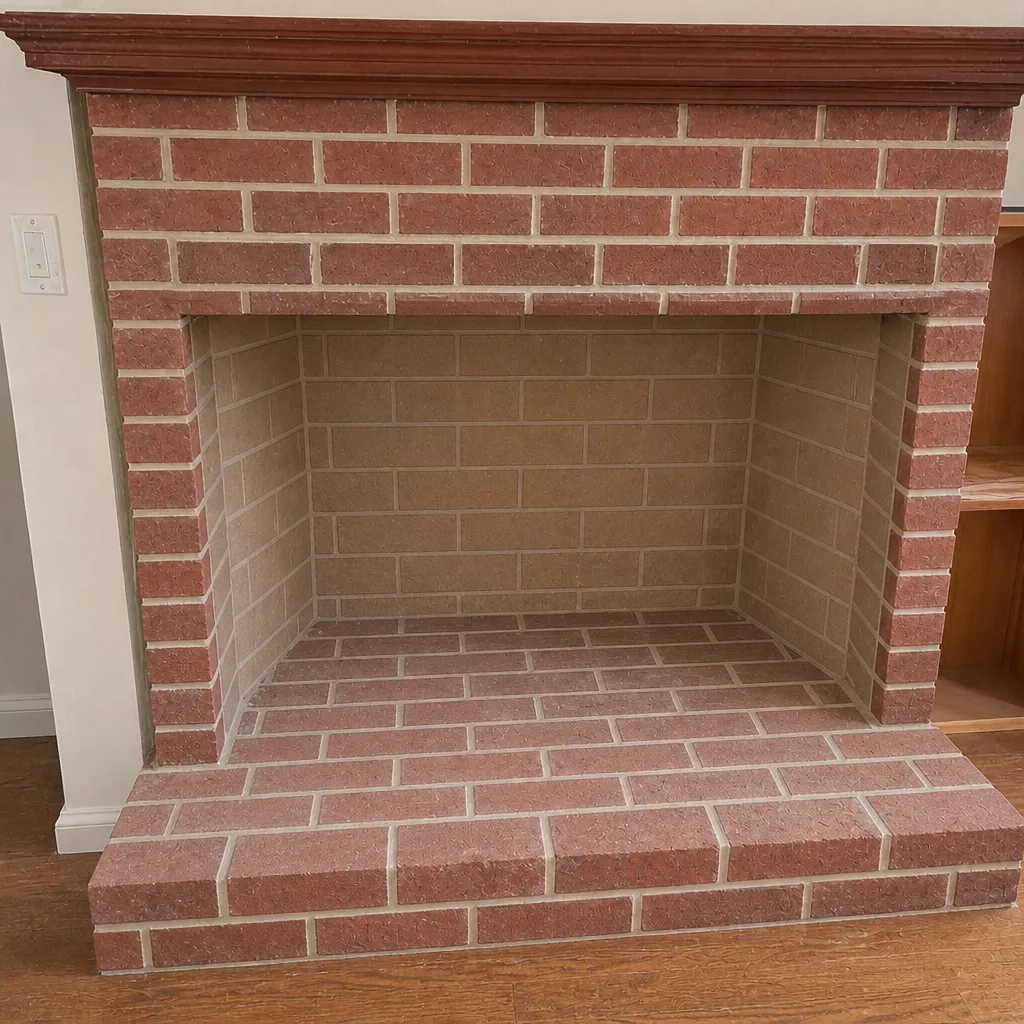
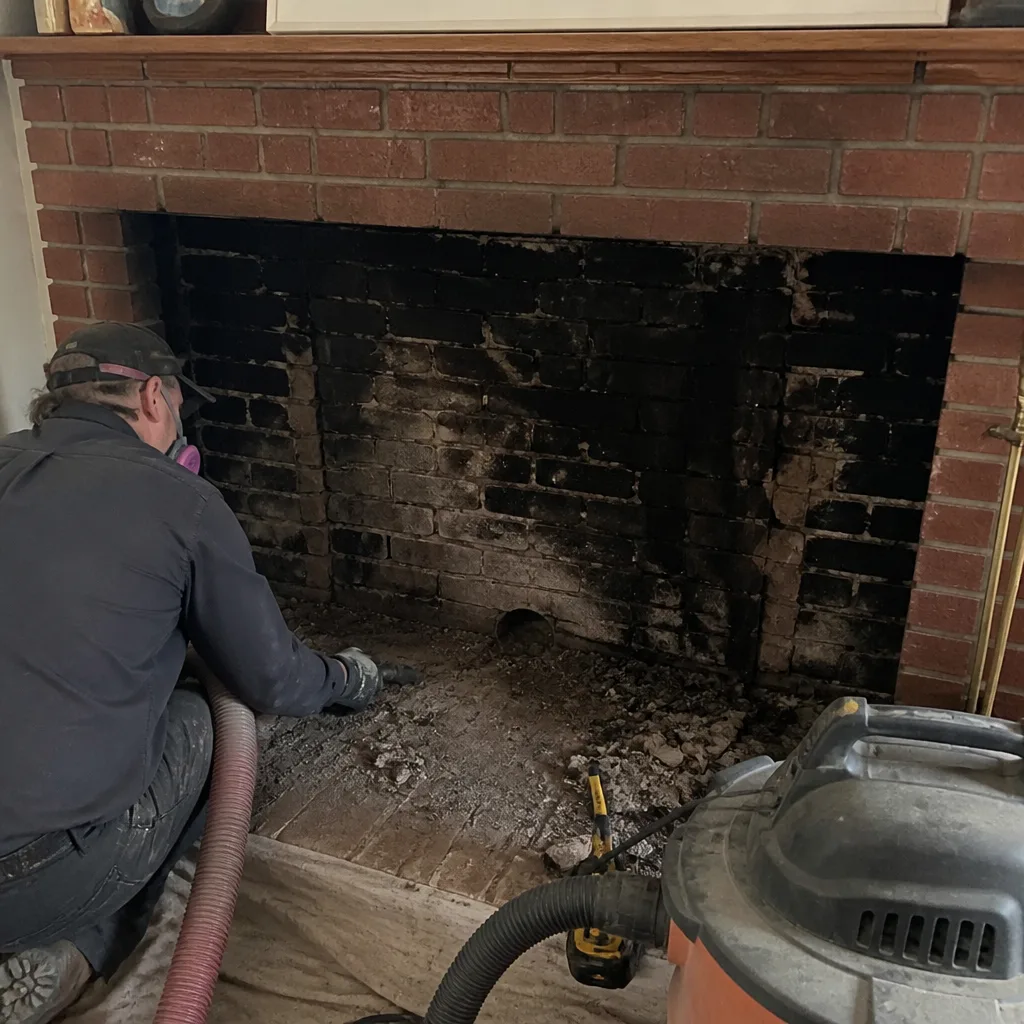
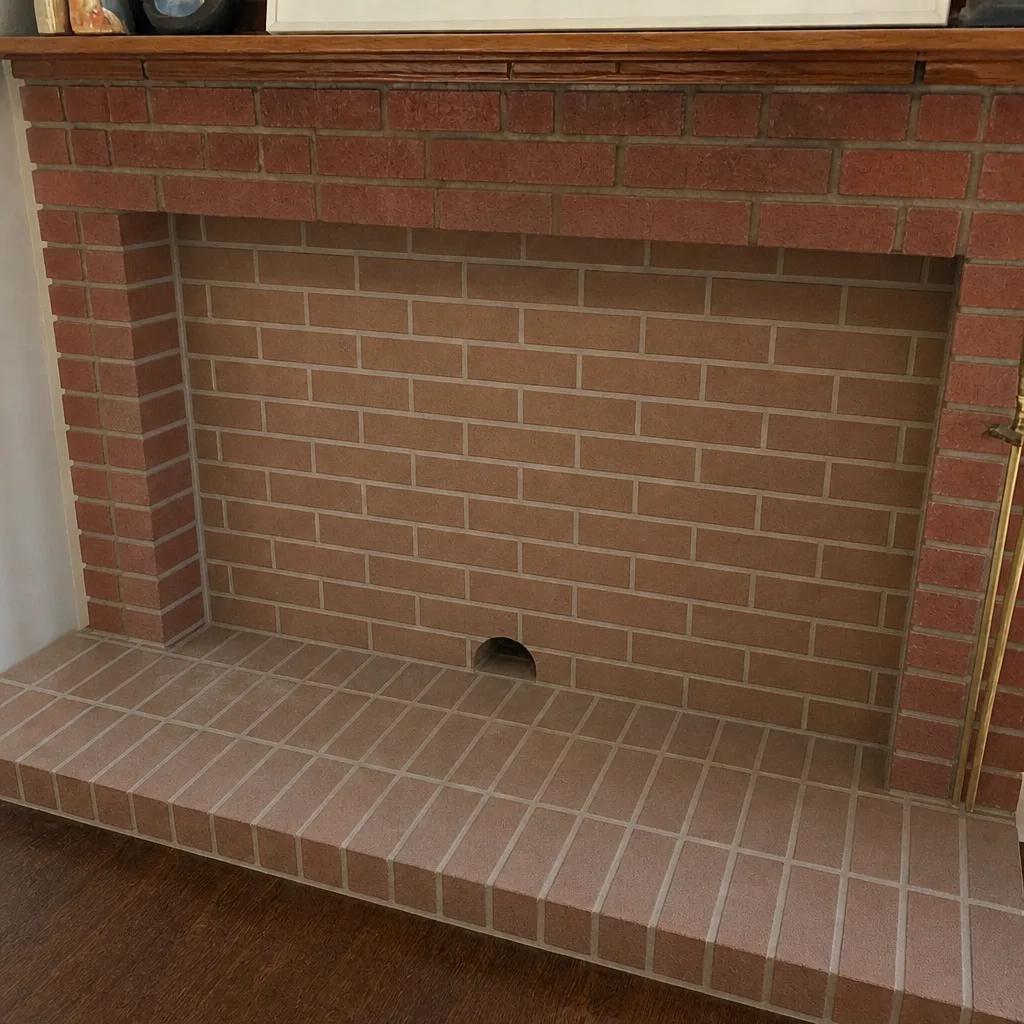
See the difference
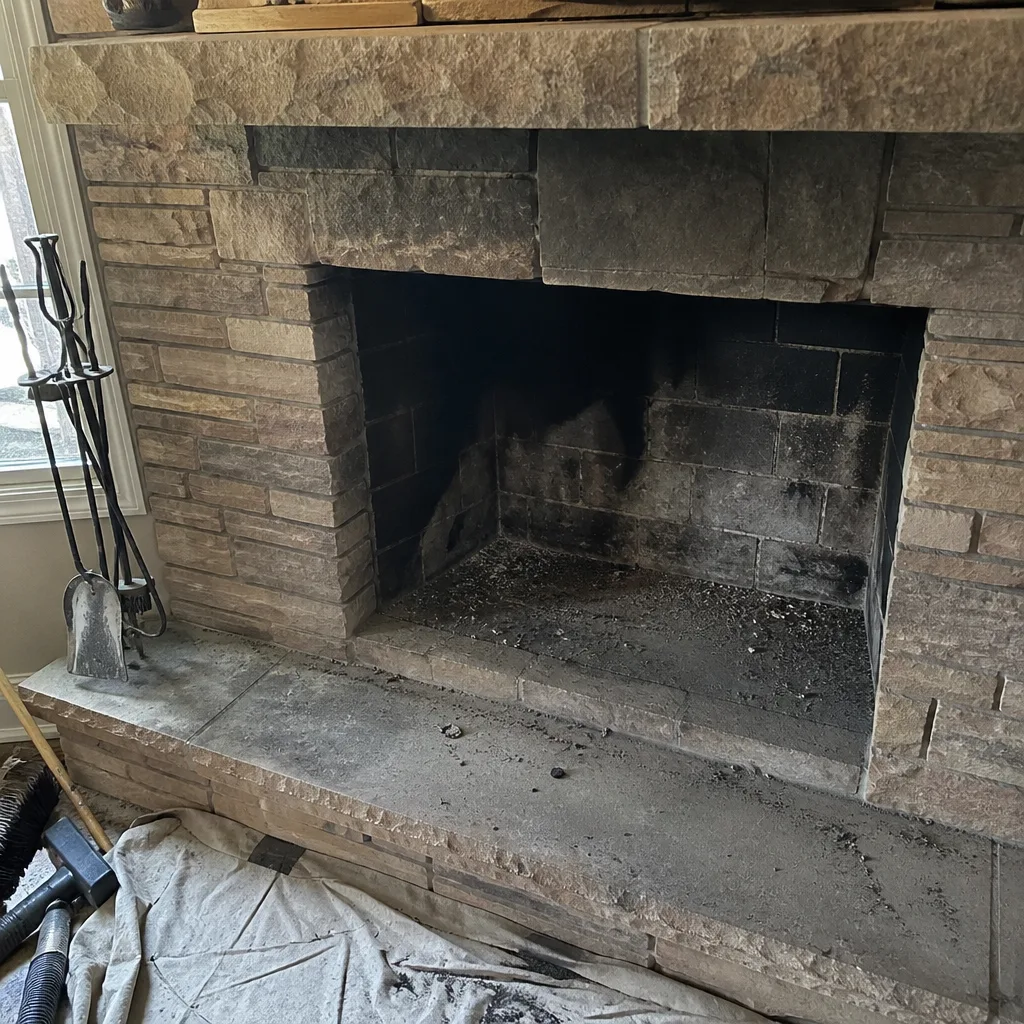 Before
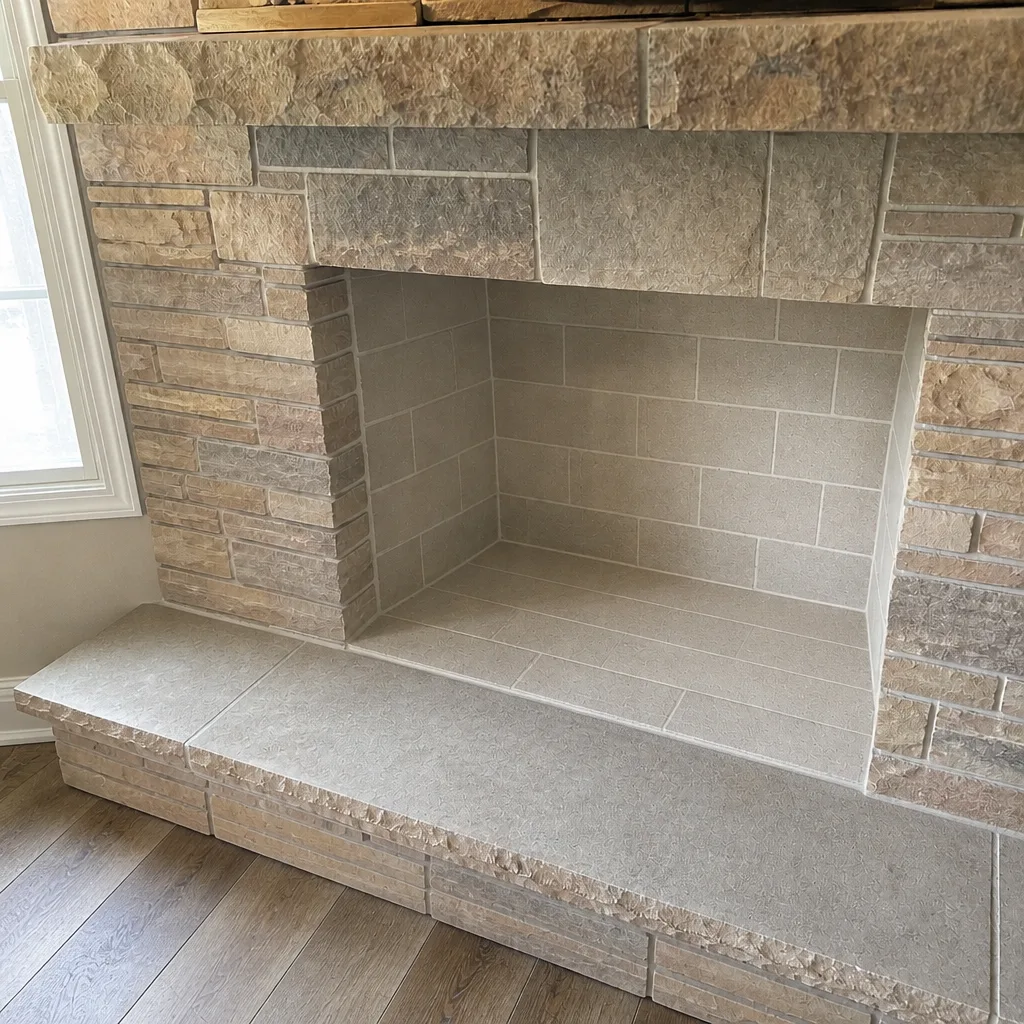 After
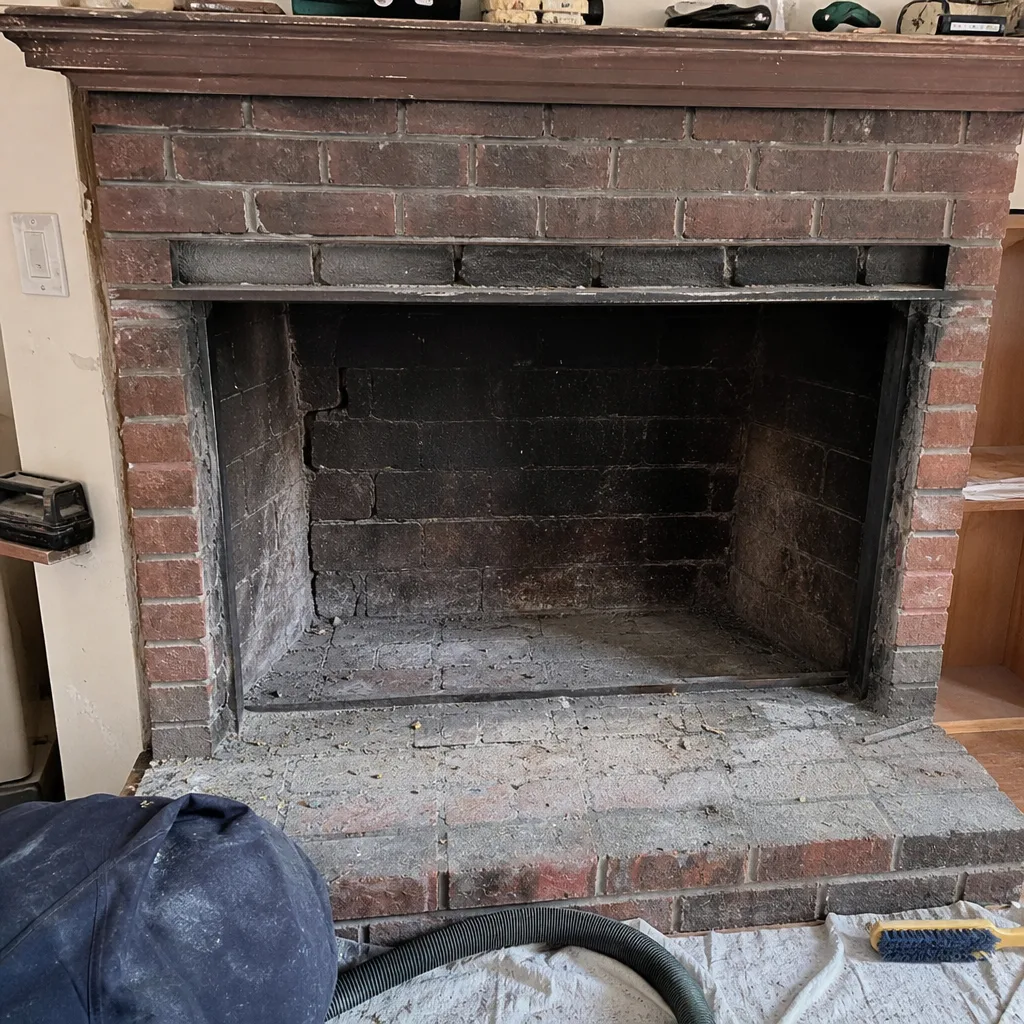 Before
 After
 Before
 After
When to Call a Professional
Call a professional chimney company when the chore stops being a chore. If you’ve had a chimney fire, even a small one you extinguished yourself, the flue needs a Level 2 evaluation before the next fire. If you’re moving into a home in Westminster and don’t know the last time the chimney was evaluated, book an inspection before the first burn. If you smell a strong smoky odor in the house when the fireplace isn’t running, that’s a sign of an airflow or blockage problem. If you see cracked masonry, a damaged cap, water staining inside the firebox, or debris falling into the hearth, those are condition signals that cleaning alone won’t resolve. And if the flue hasn’t been looked at in over a year, that’s the simplest reason of all.
Westminster Chimney Sweep Co offers free estimates in Westminster. Call (866) 786-8955 and we’ll get you on the schedule before the burn season starts. We answer 24/7, and fast dispatch runs 7am to 7pm, Sunday through Friday.
Frequently Asked Questions
Chimney cleaning in Westminster is priced per job by a written estimate, so the number depends on the system, the inspection level, and what the evaluation finds. The estimate is free, and the written estimate sets the final price. Call (866) 786-8955 for a free estimate.
Most Westminster chimneys should be evaluated at least once a year, and swept whenever the creosote layer reaches around 1/8 of an inch or soot buildup is significant. At our elevation, the condition can advance faster than a once-a-year schedule assumes. Book the evaluation and let the findings set the sweep interval. Call (866) 786-8955 to get on the schedule.
Not always. A new liner is only the right answer when the existing liner is sufficiently deteriorated that resurfacing won’t restore it. HeatShield liner resurfacing can rehabilitate a deteriorating flue without full liner replacement in many cases, and it’s a cost-conscious alternative most generalists can’t offer. The determining factor is what the camera shows, not what a contractor assumes. Ask to see the images before you decide. Call (866) 786-8955 for an evaluation.
If you skip cleaning and the flue has accumulated Stage 2 or Stage 3 creosote, the risk is a chimney fire, which can damage the flue, the chase, and in serious cases the structure of the home. If the flue is still in Stage 1 condition, skipping one interval isn’t necessarily dangerous, but without an inspection you don’t know which situation applies. That’s the reason condition-based evaluation matters more than a fixed schedule. Call (866) 786-8955 to book an inspection.
Gas fireplaces don’t produce creosote, but they do need periodic inspection of the venting, the appliance itself, and the chimney cap and crown. Gas venting runs cooler, which lets combustion moisture sit against surfaces longer, and the cap and crown are still the most common points of water entry. A gas appliance should still get an annual evaluation. Call (866) 786-8955 to schedule one.
A sweep removes what’s in the flue; an inspection evaluates the whole system’s condition, including the parts a sweep might not reach. The two are often done together, and a proper job documents both. Westminster Chimney Sweep Co handles sweeping, inspection, and any resulting repair under one roof, so findings from the inspection can be acted on without a second contractor. Call (866) 786-8955 for a free estimate.
The Bottom Line
Chimney cleaning in Westminster is a diagnostic process, and the cleaning is one possible outcome of that process, not the job itself. The three things that matter most: match the inspection level to your situation, not to a template. Have the flue interior documented with photos or a camera, so recommendations come with evidence you can see. And clean on condition, not on a calendar, because Westminster’s elevation and climate change the rate at which creosote builds. Our technicians have up to 9 years of experience across sweeps, inspections, cap and crown work, and fireplace repair, and we handle every step under one roof. From your annual evaluation to full liner restoration with HeatShield, DuraFlex, Gelco, Olympia Chimney, Famco, and Copperfield, one call covers the entire chimney system.
Talk to a Chimney Specialist Before the Burn Season
If your chimney hasn’t been evaluated on condition in the last year, this is the right time to change that. Westminster Chimney Sweep Co inspects, sweeps, and repairs, and every recommendation comes with camera evidence you can see for yourself. No pressure, no blind trust required. Just a straight answer about what’s in your flue and what (if anything) needs to happen next. Call Westminster Chimney Sweep Co at (866) 786-8955 for a free estimate. We answer 24/7, with fast dispatch from 7am to 7pm, Sunday through Friday.
Written by the team at Westminster Chimney Sweep Co.