
Last updated November 23, 2026
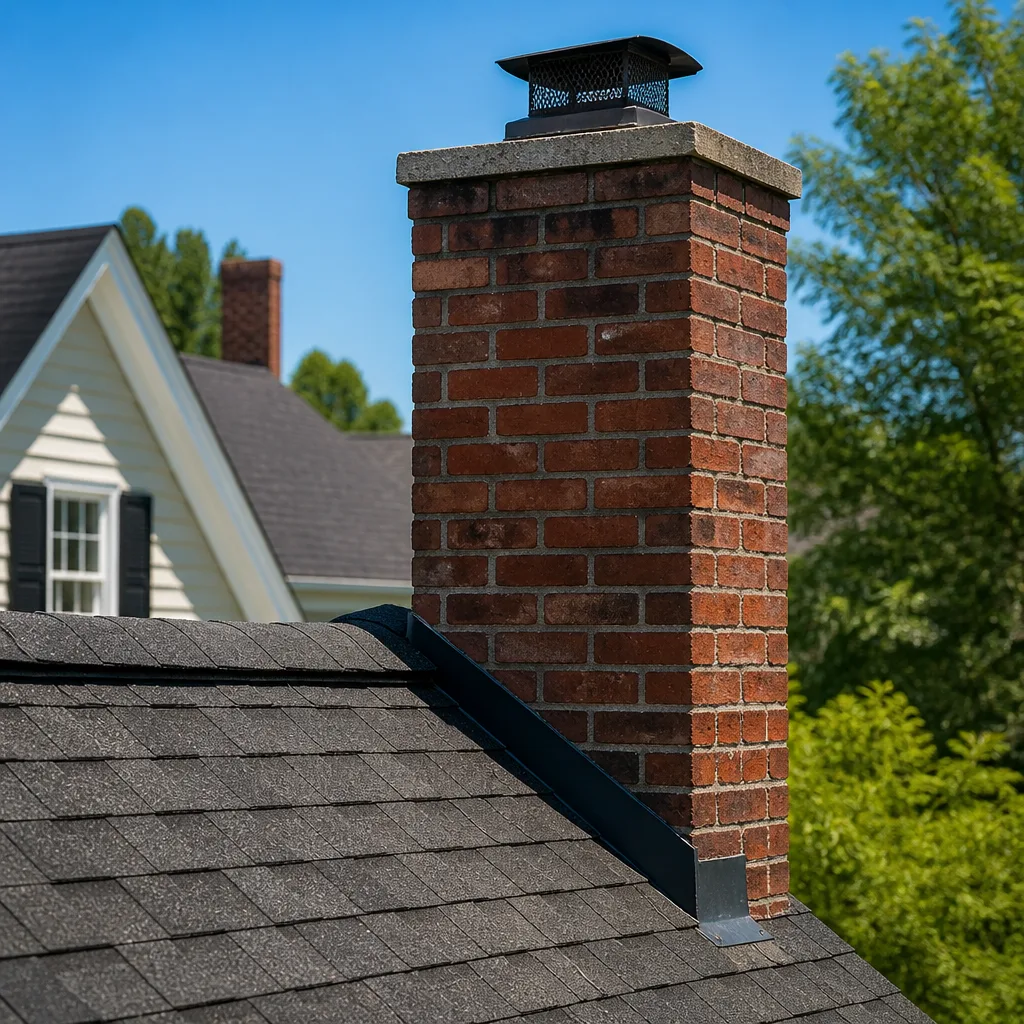 Sweep & inspection
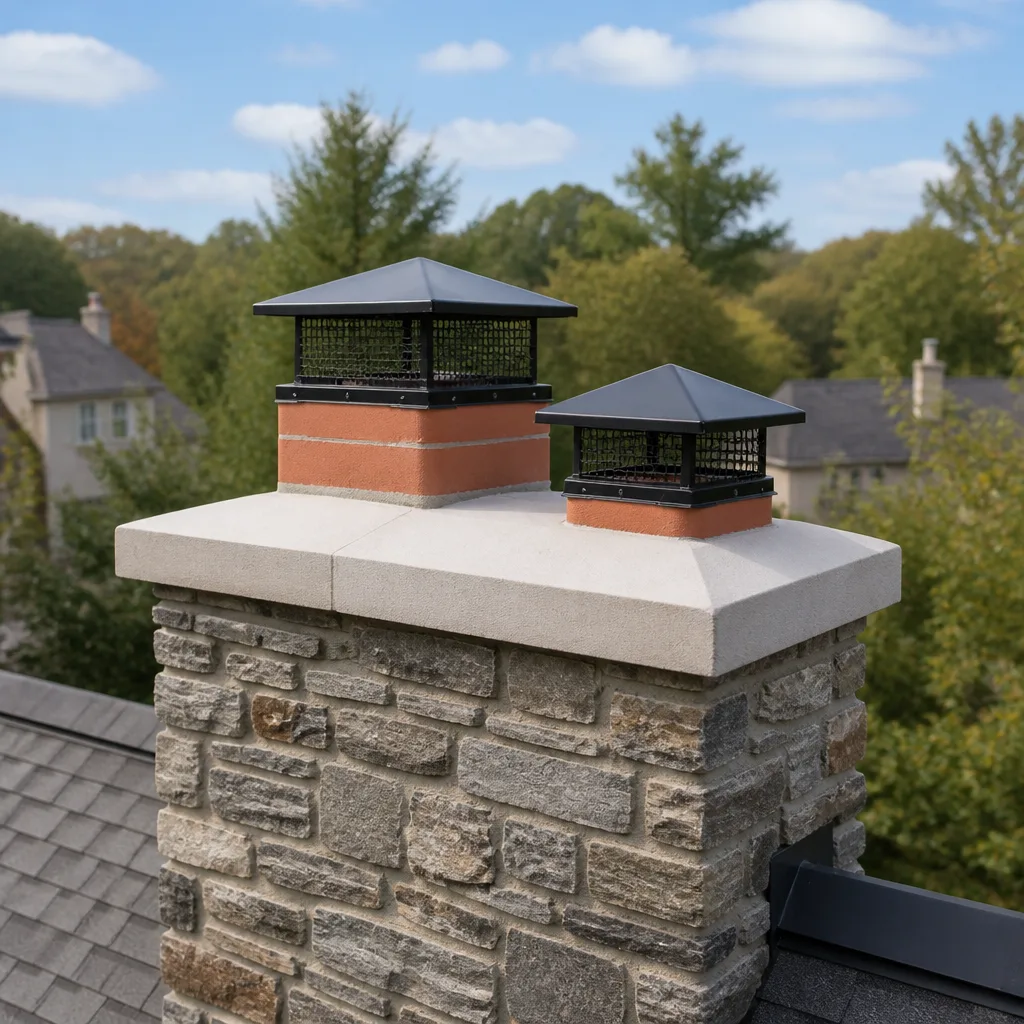 Caps & crowns
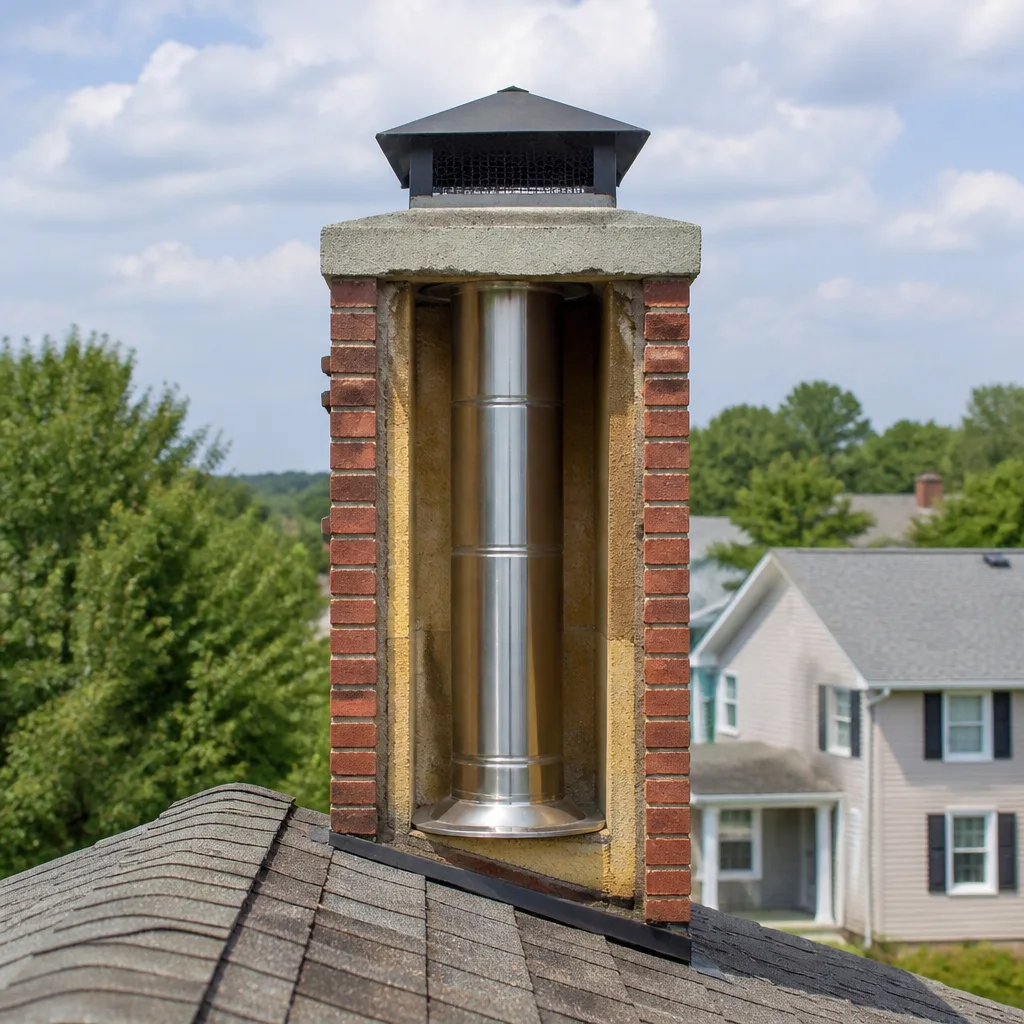 Flue relining
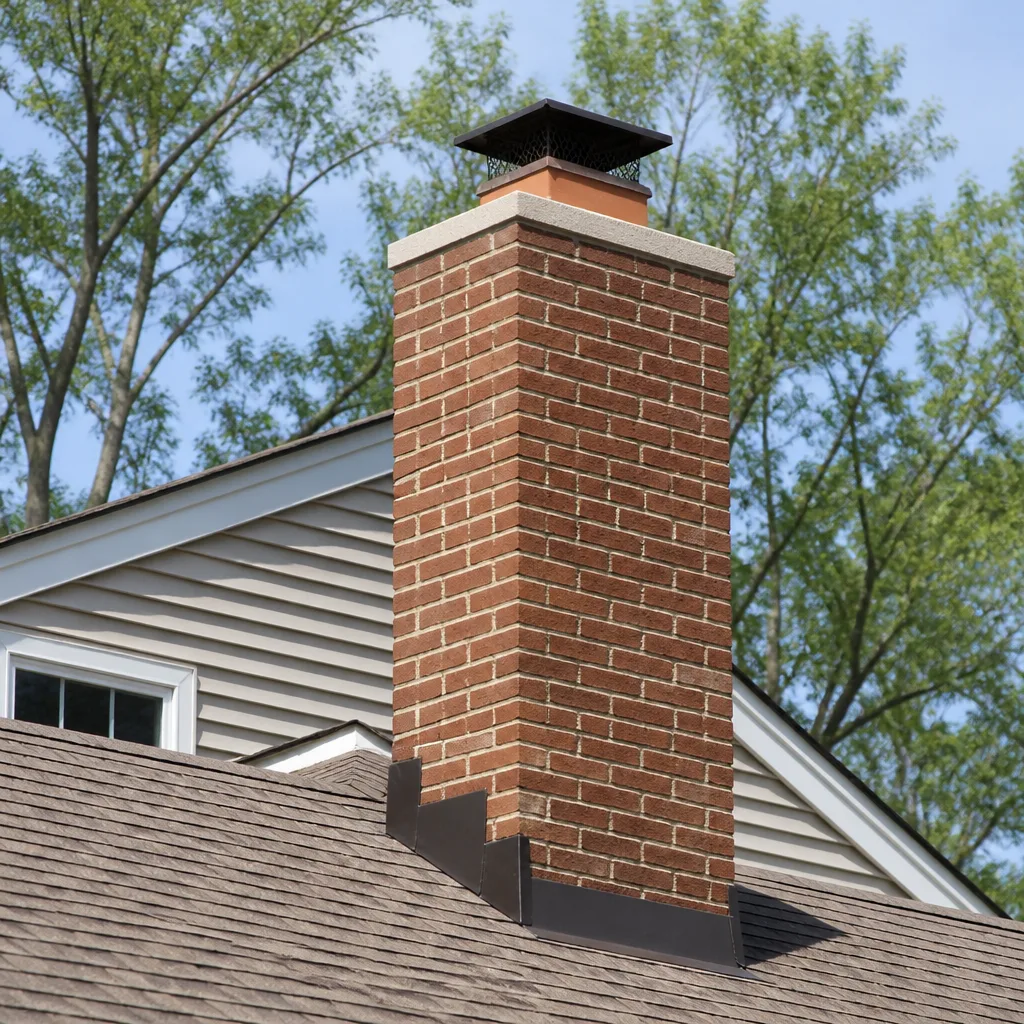 Masonry repair
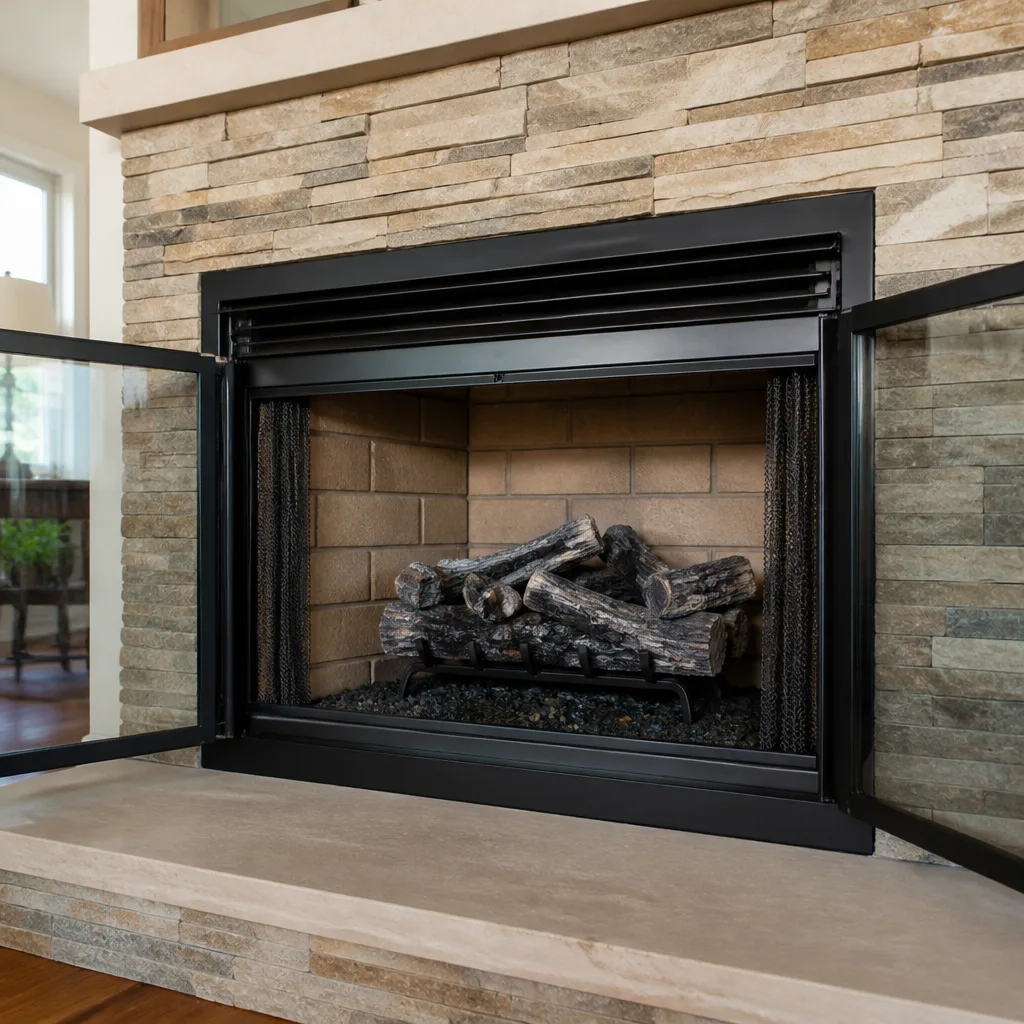 Gas fireplace service
Level 1 sweep and inspection to the NFPA 211 annual standard - flue, crown, cap, and flashing checked and photographed
Chimney sweep logs do not sweep chimneys. They loosen some creosote - which then falls where a brush and vacuum still have to collect it.
Seasonal Chimney Cleaning Care for Westminster: Year-Round Homeowner’s Guide
Spring is the season most Westminster homeowners forget their chimney exists, and it’s the season that does the most quiet damage. Snowmelt works its way into hairline cracks at the crown and in the mortar joints, then a cold night freezes that moisture and pushes the cracks wider. None of it shows up as smoke in the living room. It shows up two or three winters later as a loose brick or a rusted damper. This guide walks through what each Westminster season does to your chimney system and what, if anything, you should do about it, so you’re acting on what’s actually happening rather than guessing when to call.
Quick Answer
Chimney care in Westminster follows the seasons: book your annual sweep and inspection in early fall before the burn season starts, watch for freeze-thaw cracking in spring, check for nests and moisture in summer, and treat any mid-winter warning sign as a reason to call rather than wait. Westminster’s dry air and roughly 300 days of sunshine a year are hard on masonry and liners in ways humid climates aren’t, which makes timing matter more here than the general advice you’ll read online.
Styles & brands we work with
- Sweep & inspection
- Caps & crowns
- Flue relining
- Masonry repair
- Gas fireplace service
Table of Contents
- Spring in Westminster: Freeze-Thaw Damage and the Cracks You Can’t See
- Summer: Swifts, Wasps, and Moisture
- Why 300+ Days of Sunshine Ages a Chimney Differently
- Fall: Timing Your Sweep Before the Burn Season
- Winter: Mid-Season Signs You Shouldn’t Wait on
- The Full Annual Chimney Calendar for Westminster
- What an Inspection Covers and When You Need More Than a Sweep
- Liners, HeatShield, and the Repair Decision
Spring in Westminster: Freeze-Thaw Damage and the Cracks You Can’t See
When the last fire of the season burns down, most people close the damper and stop thinking about the chimney until October. That’s backwards. Spring is when Westminster’s temperature swing does the most structural work, and it happens in a place most homeowners never look: the crown and the mortar joints at the top of the stack.
Here’s the mechanism. Water from melting snow and spring rain soaks into small cracks, pores in the mortar, and the sealant line where the crown meets the flue. Westminster nights still drop below freezing well into spring. That trapped water expands when it freezes, and it pushes the crack open a little wider each cycle. Then it thaws, drains, and repeats. A hairline crack in April is a channel for water by June.
What to look at when the snow clears:
- The crown: the concrete cap on top of the chimney. Look for fresh cracks, flaking, or a gap where it meets the flue tile.
- Mortar joints: from the ground with binoculars, check the upper courses for joints that look recessed, sandy, or crumbly. That’s mortar washing out.
- The cap: a chimney cap that’s loose, dented, or missing lets water straight into the flue. It’s the cheapest water damage prevention there is.
- Interior staining: brown or white streaks on the chimney breast or ceiling near it mean water is already getting in.
None of this is a “call immediately” emergency unless you see a fallen brick or active leaking. But it is exactly the kind of thing that belongs on a spring inspection. Catching a failing crown sealant in spring is a small repair; catching it after another winter of freeze-thaw is often masonry work. If you’re already thinking about the system as a whole, a spring inspection pairs well with our chimney repair service, since findings and fixes come from the same place.
Summer: Swifts, Wasps, and Moisture
Summer is the season homeowners most underestimate, because nothing about it feels like chimney weather. Three specific things happen to a Westminster chimney in the warm months, and only one of them involves an animal.
Chimney swifts. These small birds nest inside flues and are protected, which means you can’t just remove a nest mid-season. The practical fix is a properly fitted cap installed before nesting starts. If you hear chattering or scratching in the flue in summer, don’t light a fire and don’t try to flush it out yourself.
Wasps and bees. A capped chimney rarely gets a colony. An uncapped one is a sheltered, dry cavity, which is exactly what paper wasps look for. The same cap that keeps swifts out keeps them out.
Moisture and the off-season smell. This is the one people notice. A chimney that smelled fine all winter develops a sour, smoky odor in summer, strongest on hot, humid days and when it rains. It’s creosote and soot residue reacting with summer humidity, plus any water getting in through an uncapped flue. The smell is telling you the flue never got cleaned after last season, or that water is entering. A late-spring or early-summer sweep solves the first; a cap and crown check solves the second.
One more summer item worth knowing: a chimney that sat unused through a hot, dry Westminster summer is a chimney that hasn’t been tested since spring. Before you light the first fire in fall, you want the flue clear of nests, debris, and any creosote left from last year. That’s the whole case for a pre-season sweep.
Why 300+ Days of Sunshine Ages a Chimney Differently
Westminster gets more than 300 days of sunshine a year. That’s a selling point for living here and a slow stress test for a chimney, and it’s the single biggest reason generic chimney advice written for wetter, cloudier climates doesn’t quite fit this Front Range market.
Ultraviolet light breaks down the sealants and mortars that hold a chimney’s exterior together. Sun-exposed mortar on the south and west faces of a stack dries, chalks, and loses its binding strength faster than shaded faces do. A chimney on a Westminster house with open southern exposure can show surface mortar deterioration while an identical chimney across the street under a big tree looks fine. That’s not a difference in build quality. It’s sunlight.
The liner side matters too. In humid climates, moisture is the dominant enemy of a clay flue liner. Here, the combination is different: intense sun on the exterior, wide day-to-night temperature swings, and very dry air. That cycle causes expansion and contraction that humid climates don’t produce the same way, and clay tile is rigid. Small hairline cracks at the joints are common, and they’re also the cracks that let heat and carbon monoxide escape into the chimney’s structure instead of up and out.
What this means practically for a Westminster homeowner:
- Exterior mortar and crown maintenance matters more here than in mild climates, because the sun is doing constant work on them.
- A liner that passes a visual check can still have joint cracks only a camera will find. That’s why a camera inspection matters more than a look from the firebox.
- Caps take real UV punishment. A cheap plastic or thin-metal cap can degrade faster than the masonry it protects.
The takeaway isn’t that Westminster chimneys are fragile. It’s that the sun is a year-round factor here, not just a summer one, and the exterior of the chimney deserves eyes on it at least once a year.
Fall: Timing Your Sweep Before the Burn Season
Fall is the single most important season to get a chimney sweep booked, and the timing question has a real answer. In our experience, the sweet spot in Westminster is the stretch from late August through mid-October. That’s the window where you’re early enough that scheduling is easy and late enough that anything found gets fixed before the first cold snap drives everyone else to call.
Here’s the logic behind that window:
- Before demand spikes: the first genuinely cold week of October and November is when every homeowner remembers the chimney at once. Booking earlier means your sweep gets scheduled when you want it, not weeks out.
- After the summer: a sweep in this window clears last year’s creosote and any summer nest or debris in the same visit.
- Before the burn season: the flue is clean and inspected when it matters, so the first fire of the year is safe rather than the test.
- Weather still cooperates: roof-level work like cap and crown checks is easier and safer before snow is on the roof.
How much creosote is too much? A chimney should be swept when the creosote deposit reaches around 1/8 inch, which is a light but real accumulation. Heavier, glazed deposits are a fire risk and need attention before any fire is lit. A camera inspection during the sweep tells you which you’re dealing with, and the sweep and inspection can happen in the same visit.
If you’re booking a chimney sweep in Westminster for the first time in a few seasons, budget for the inspection to turn up something. Not because chimneys are fragile, but because several years of accumulated soot and deferred small repairs tend to surface together. Better to know in September than in January.
Winter: Mid-Season Signs You Shouldn’t Wait on
Not every problem can wait until spring. A chimney that behaves perfectly in November can start throwing warning signs in January, and mid-season is the time to react rather than ride it out.
Signs that need attention before the season ends:
- A change in draft. A fire that used to draw well and now smokes into the room is telling you the flue is partially blocked, often by a nest, debris, or heavy creosote. Don’t keep burning and hope it clears.
- A chemical or burning smell that’s new. If you smell something sharp or acrid that wasn’t there before, stop using the fireplace and get it checked.
- Visible smoke or staining. Soot streaks on the wall above the fireplace, or smoke escaping at the damper, mean the system isn’t moving exhaust the way it should.
- A loose or discolored cap. Winter wind and snow load can move a cap. If it’s askew, it’s letting water and debris in.
- Burning wood that suddenly smokes more than usual. Sometimes it’s wet wood, sometimes it’s draft. Either way, the flue deserves a look before you assume.
These matter because a wood-burning fireplace produces carbon monoxide, and the flue is what carries it out. A blocked or cracked flue is a genuine safety issue, not a housekeeping one. We say this without alarmism: most winter issues are resolvable with a sweep or a cap repair. But the answer to “can it wait until spring?” for a drafting change or a new smell is no. Get it looked at.
If fire stops, call (866) 786-8955. We answer 24/7, and a call outside dispatch hours is booked into the next opening, Sunday through Friday, 7am to 7pm.
The Full Annual Chimney Calendar for Westminster
Here’s the whole year on one page. This is the cadence we’d suggest to any Westminster homeowner who uses a wood-burning or gas fireplace and wants to stay ahead of problems instead of chasing them.
- Early spring (March to April): after the last fire, look at the crown, cap, and mortar from the ground. Note any fresh cracking. This is the freeze-thaw check.
- Late spring to early summer (May to June): if you skipped a fall sweep last year, this is the catch-up window. Also the time to handle any winter damage found in the spring check.
- Summer (July to August): confirm the cap is intact and fitted. Check for chimney swifts, wasps, and that summer smell. Address moisture intrusion signs.
- Early fall (late August to mid-October): the annual chimney sweep and inspection. This is the appointment that matters most. Do it before the burn season.
- Fall (October to November): complete any repairs the fall inspection found: cap, crown, liner resurfacing, or fireplace repair. Get it done before the first hard freeze.
- Winter (December to February): watch for mid-season warning signs. React to drafting changes, new smells, or smoke. Don’t wait for spring on those.
This calendar isn’t a rigid schedule. It’s a rhythm. The point is that a chimney is a system exposed to weather year-round, and each season stresses a different part of it. Checking at the right time means you catch small things before they compound. That’s the whole strategy.
What an Inspection Covers and When You Need More Than a Sweep
A chimney sweep and a chimney inspection aren’t the same thing, and knowing the difference helps you ask for the right service. A sweep removes creosote, soot, and debris from the flue. An inspection evaluates the condition of the whole system: the flue liner, the firebox, the damper, the crown, the cap, and the exterior masonry. You want both, and they can happen in the same visit.
What a proper inspection includes:
- A camera view of the flue liner, so joint cracks and gaps are visible rather than guessed at.
- A check of the firebox for cracked refractory brick or mortar.
- A look at the damper for proper operation and fit.
- The crown and cap from the roof level or a clear view.
- Exterior masonry condition, with attention to the sun-exposed faces.
You need more than a sweep when the inspection finds a deteriorated liner, a cracked crown, or failed mortar. You also need more than a sweep if your fireplace has been unused for multiple seasons, if you’ve had a chimney fire, or if you’re buying a home and want a pre-purchase evaluation. If you’re selling, an inspection finding and a documented repair history are worth having.
What you should expect from the report is evidence you can see for yourself. A photo of a cracked flue joint is a reason to act. “You need a new liner” with nothing to show is not, and you should feel comfortable asking for the picture. That’s the standard we hold ourselves to, and it’s the standard any homeowner should hold a contractor to. Where work can safely wait, we say so.
Liners, HeatShield, and the Repair Decision
The most expensive-sounding recommendation in chimney work is a new liner, so it’s worth understanding the decision before you’re in it. A flue liner is the clay or metal tube that carries exhaust and heat up and out. When it cracks or deteriorates, exhaust can escape into the chimney’s structure, which is a real safety concern and also lets heat reach materials that shouldn’t get hot. Replacing the liner is one option. Restoring it is another.
HeatShield is a liner resurfacing system that can rehabilitate a deteriorating flue without full replacement, addressing gaps and cracks from the inside. On the right liner, it’s a cost-conscious alternative to a full liner job, and it’s a capability a general contractor won’t offer. Other professional-grade materials we work with, like DuraFlex, Olympia Chimney, and Gelco, come into play when a full liner is the right answer.
How the decision breaks down:
- Light joint cracking or surface deterioration: resurfacing with HeatShield is often the fit.
- Significant gaps, offset tiles, or a liner that’s failed in multiple places: a full liner replacement is usually the honest recommendation.
- A liner in good condition: no work needed. Sweep, inspect, and move on.
What matters most is that the recommendation comes from a camera view you saw, not a sales script. If a contractor tells you the liner is gone without showing you why, ask to see the footage. Our technicians have up to 9 years of experience, and in our experience the honest answer is more often “your liner is fine, here’s what to watch” than it is a replacement.
Decisions like this are also why a chimney specialty company makes sense over a generalist. Chimney work is a system, and the person inspecting the top of the flue should be the same one who can fix it. From your annual sweep to full liner restoration, one call covers the entire system, and there’s no second contractor to source and no gap in accountability. You can learn more about the full scope of what Westminster Chimney Sweep Co handles, from sweep to repair to cap and crown.
Common Mistakes to Avoid
- Skipping the spring check because it’s not fire season. Spring is when freeze-thaw does its worst work on mortar and crown sealant in Westminster, and it’s invisible from the living room. A quick spring look at the crown and cap catches it before it becomes masonry work.
- Waiting until the first cold snap to book a sweep. The October-November window is when everyone calls at once, and the flue that needed cleaning in September gets cleaned in December instead. Book in late summer or early fall.
- Burning with a missing or loose cap. An uncapped flue is an open door for rain, snow, swifts, and wasps. It’s the cheapest water damage prevention there is, and it’s the most common thing we see deferred.
- Treating a drafting change as “just the wood.” A fire that suddenly smokes into the room is a flue problem until proven otherwise. Wet wood is one explanation; a blocked or cracked flue is another, and only one of them is safe to ignore.
- Accepting a liner replacement without seeing the evidence. You should be shown the camera footage or photos of what’s wrong. A recommendation you can’t verify is a recommendation you shouldn’t act on.
- Cleaning off-season and calling it done. A summer sweep clears soot, but it doesn’t check the crown, cap, or lining. Sweeping without an inspection misses exactly the things that fail quietly here.
- Ignoring the off-season smell. A sour, smoky odor in summer is usually creosote plus humidity, or water intrusion. It’s a signal to look, not something to air out and forget.
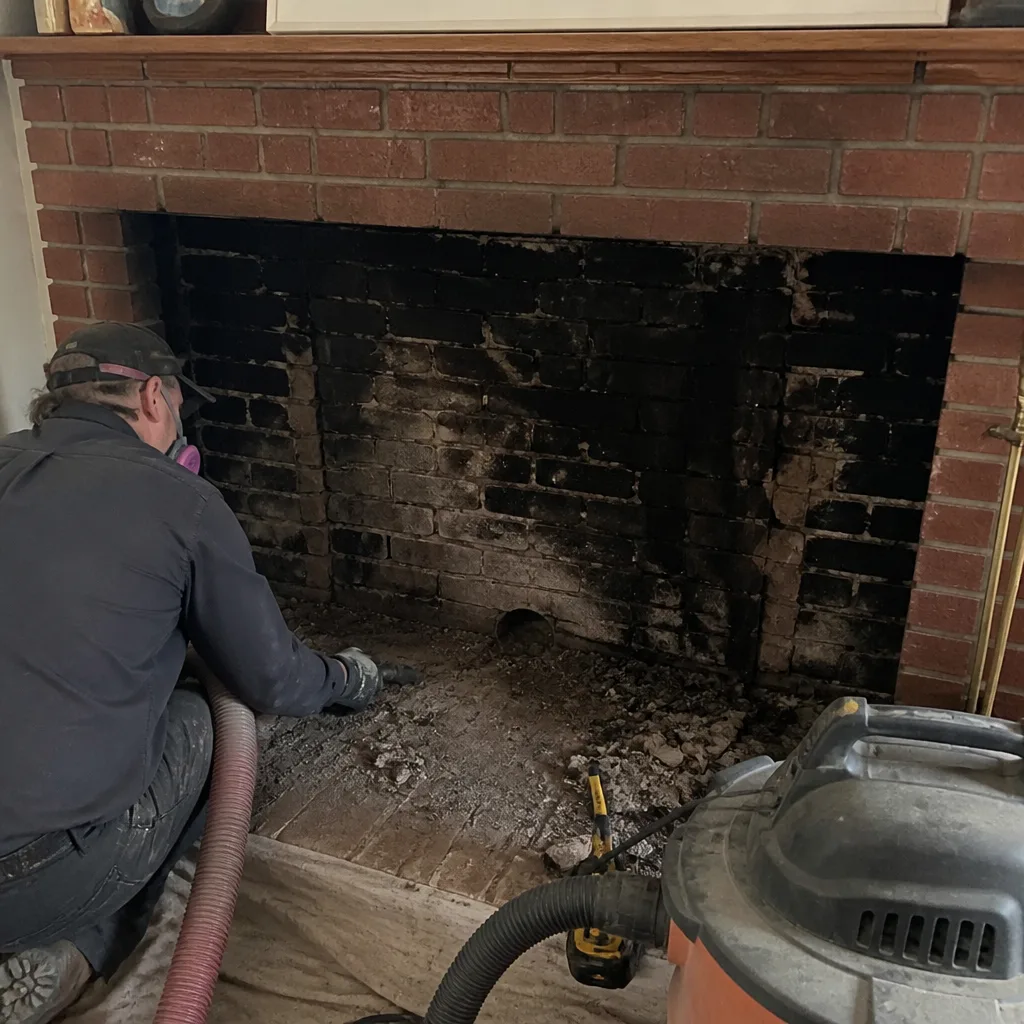
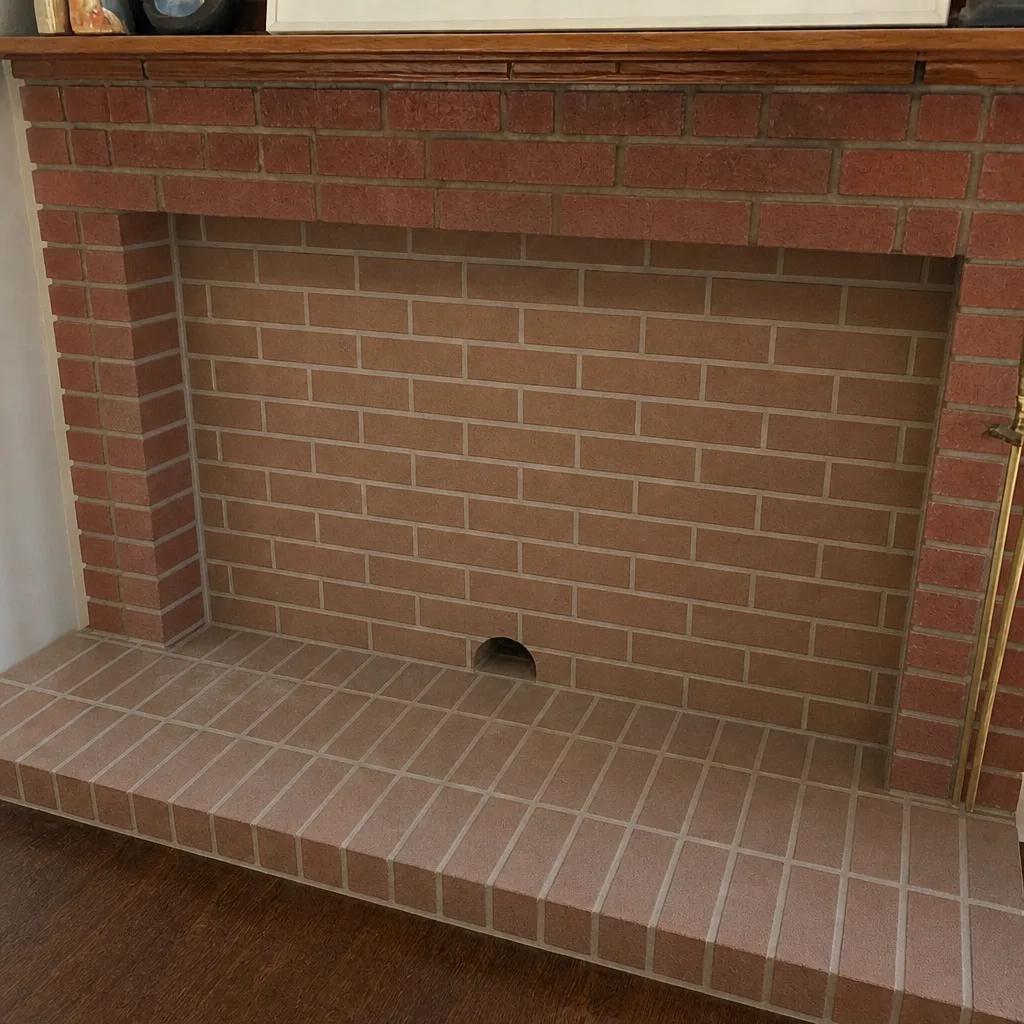
See the difference
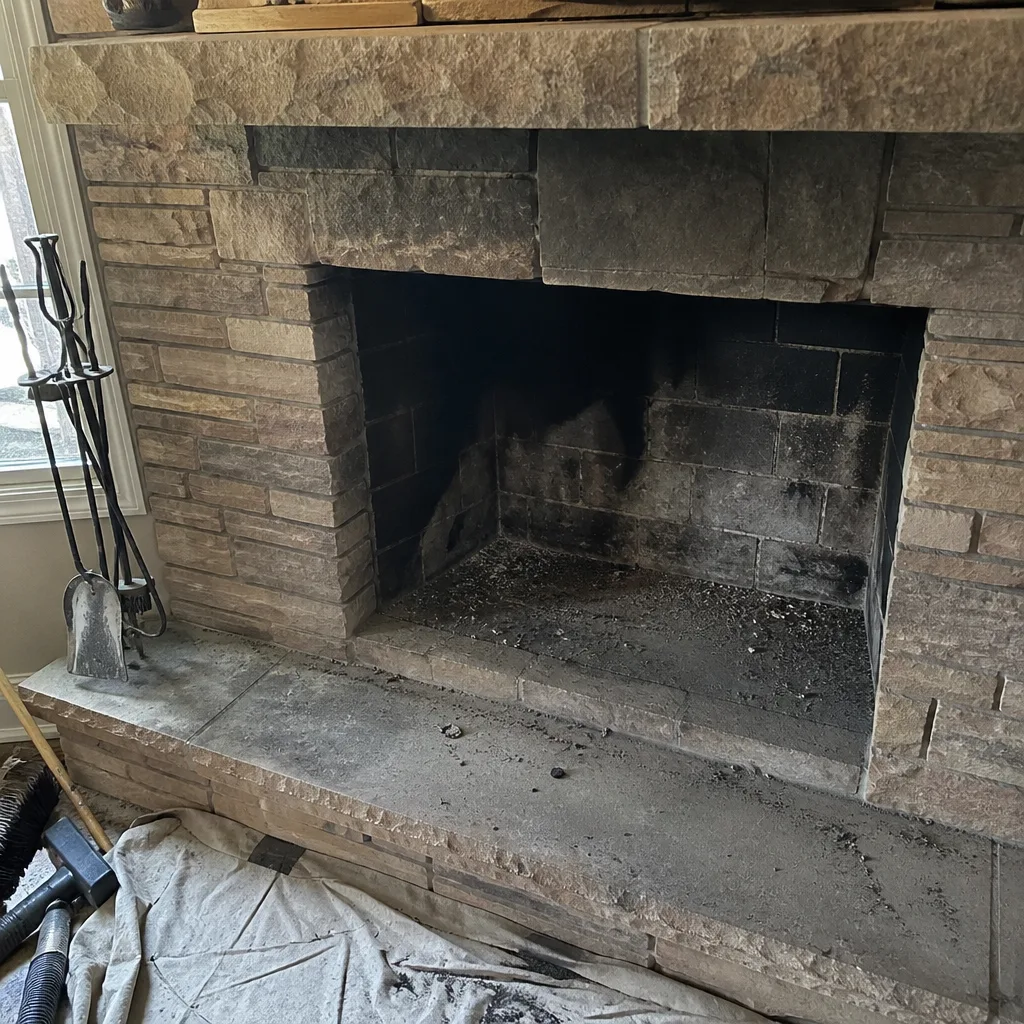 Before
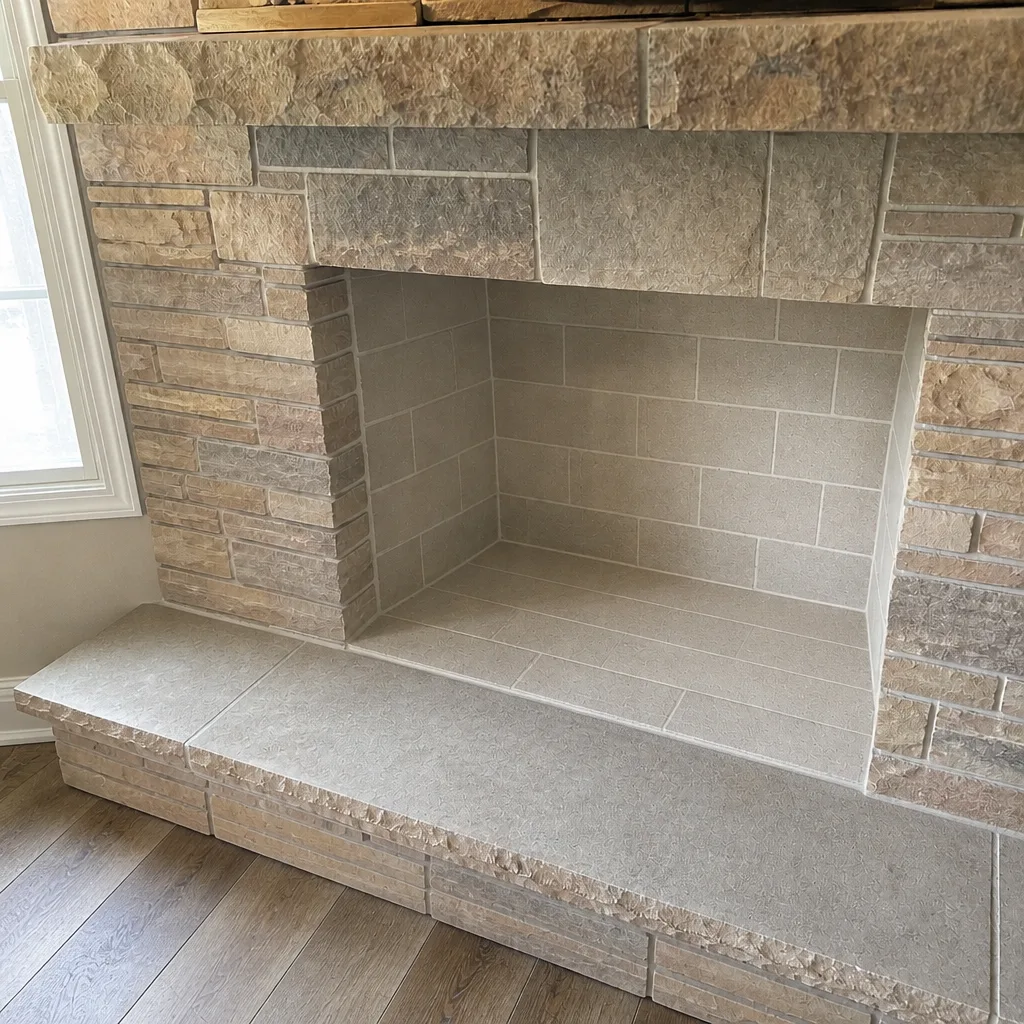 After
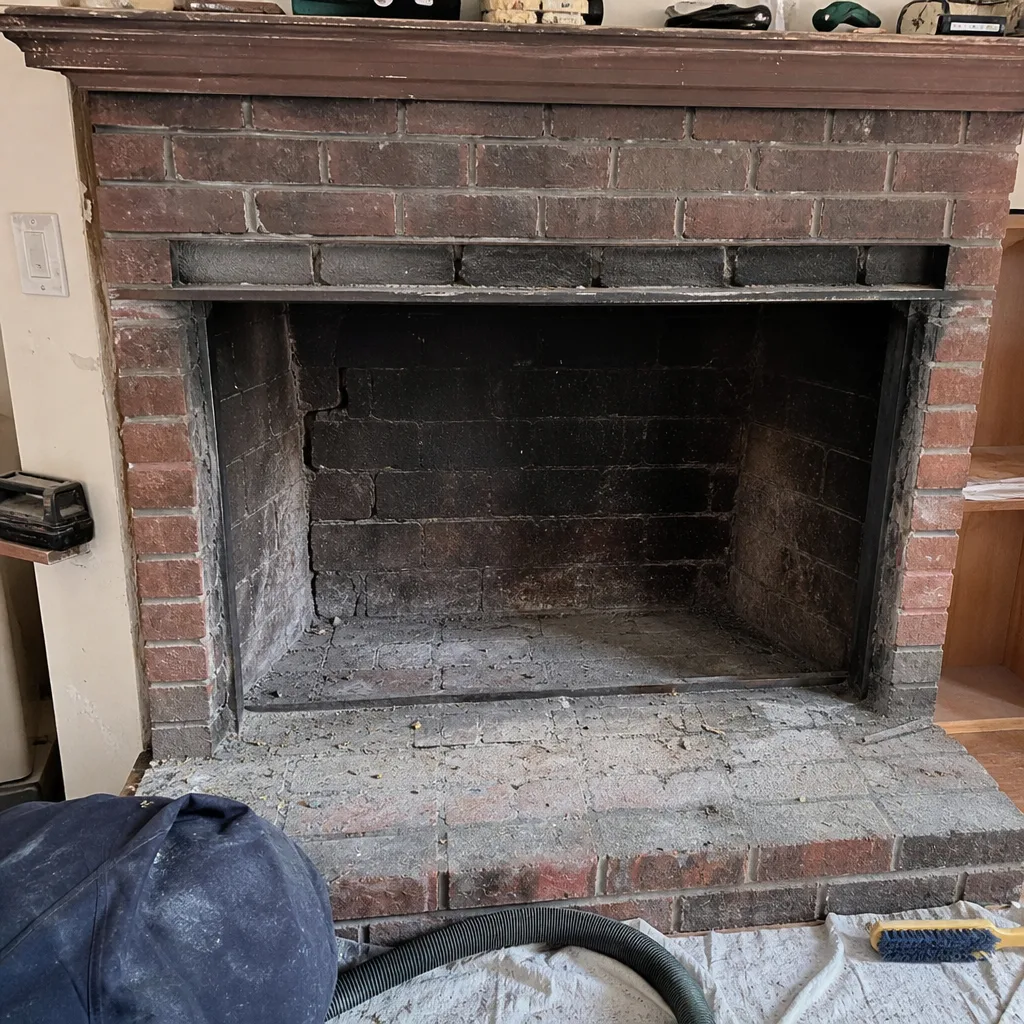 Before
 After
 Before
 After
When to Call a Professional
Call a professional when you see fresh cracking in the crown or cap after a freeze, when the fireplace smokes into the room instead of drawing, when there’s a new acrid smell near the fireplace, when you hear animals or see wasp activity in the flue, or when you’re not sure the flue has been cleaned in the last year. Call before the burn season if you haven’t had a sweep and inspection since last year. Call if you’re selling a home and want the chimney documented. And call if a previous contractor told you the liner is failing but wouldn’t show you the footage, because you deserve to see the evidence.
Westminster Chimney Sweep Co offers free estimates in Westminster. Call (866) 786-8955. We answer 24/7. Fast dispatch from 7am to 7pm, Sunday through Friday. Every sweep is booked with a flat-price estimate agreed before we start, a camera inspection and photo report are included, and the price is set per job by the written estimate.
Frequently Asked Questions
Once a year for a wood-burning fireplace, and more often if you burn heavily or see creosote building past about 1/8 inch. In Westminster, the annual sweep is best booked in late summer or early fall, before the burn season starts. A gas fireplace still needs an annual inspection even though it produces less creosote. Call (866) 786-8955 for an exact quote; estimates are free.
Moisture intrusion driven by freeze-thaw cycling, not fire. Snowmelt and spring rain soak into small cracks and pores in the mortar and crown, then freeze overnight and widen those cracks a little at a time. In our dry-air, sunny climate, that cycle runs well into spring, so a chimney can take on water damage for months without a visible sign indoors. A spring check of the crown and cap is the simplest defense. Call (866) 786-8955 to get one booked.
Some can wait, some shouldn’t. A changed draft, a new acrid smell, smoke escaping into the room, or visible soot staining are all reasons to act mid-season rather than wait. A loose cap or a small crack that isn’t causing active trouble can usually be scheduled. The test is whether the system is behaving safely right now. If it isn’t, don’t wait. Call (866) 786-8955 and we’ll help you decide.
Not nearly as often as you might be told. Light joint cracking or surface deterioration can often be rehabilitated with HeatShield resurfacing, which is a cost-conscious alternative to full liner replacement. A full liner is the right answer when the damage is broad or the liner has failed in multiple places. The decision should be based on camera footage you can see, not a verbal recommendation. Call (866) 786-8955 for an inspection with evidence you can review.
A sour, smoky smell in summer is usually creosote and soot residue reacting with humidity, often combined with water getting in through an uncapped or poorly capped flue. It’s most noticeable on hot, humid days and after rain. A post-season sweep plus a cap and crown check typically solves it. Call (866) 786-8955 to schedule both in one visit.
Yes, and it’s the most overlooked part of chimney care in Westminster. More than 300 days of sunshine a year breaks down exterior mortar and cap sealants through UV exposure, and the wide day-to-night temperature swings push rigid clay liners through expansion and contraction that humid climates don’t produce the same way. The result is that Westminster chimneys tend to show exterior wear and liner joint cracks earlier than you might expect. Annual inspections catch both. Call (866) 786-8955 to book yours.
The Bottom Line
Seasonal chimney care in Westminster comes down to matching your attention to what each season is actually doing. Spring is about freeze-thaw damage and the cracks you can’t see yet. Summer is about swifts, wasps, and moisture. Fall is the window for your annual sweep, timed to beat the burn-season rush. Winter is when a change in draft or a new smell means call, not wait. And Westminster’s 300-plus days of sunshine add a year-round factor that generic advice ignores. If you take one thing from this guide, make it this: a camera inspection you can see the results of is worth more than any recommendation you can’t verify. Our technicians have up to 9 years of experience, and we’ve learned that the honest answer is usually the one the homeowner can check for themselves.
Ready to get ahead of the season? Call (866) 786-8955 for a free estimate. We answer 24/7. Fast dispatch from 7am to 7pm, Sunday through Friday. Whether it’s an annual sweep, a mid-winter draft problem, or a liner decision you want a second opinion on, you’ll get a flat-price estimate agreed before booking, a camera inspection and photo report included, and a straight answer about what can safely wait.
Written by the team at Westminster Chimney Sweep Co.