
Last updated November 23, 2026
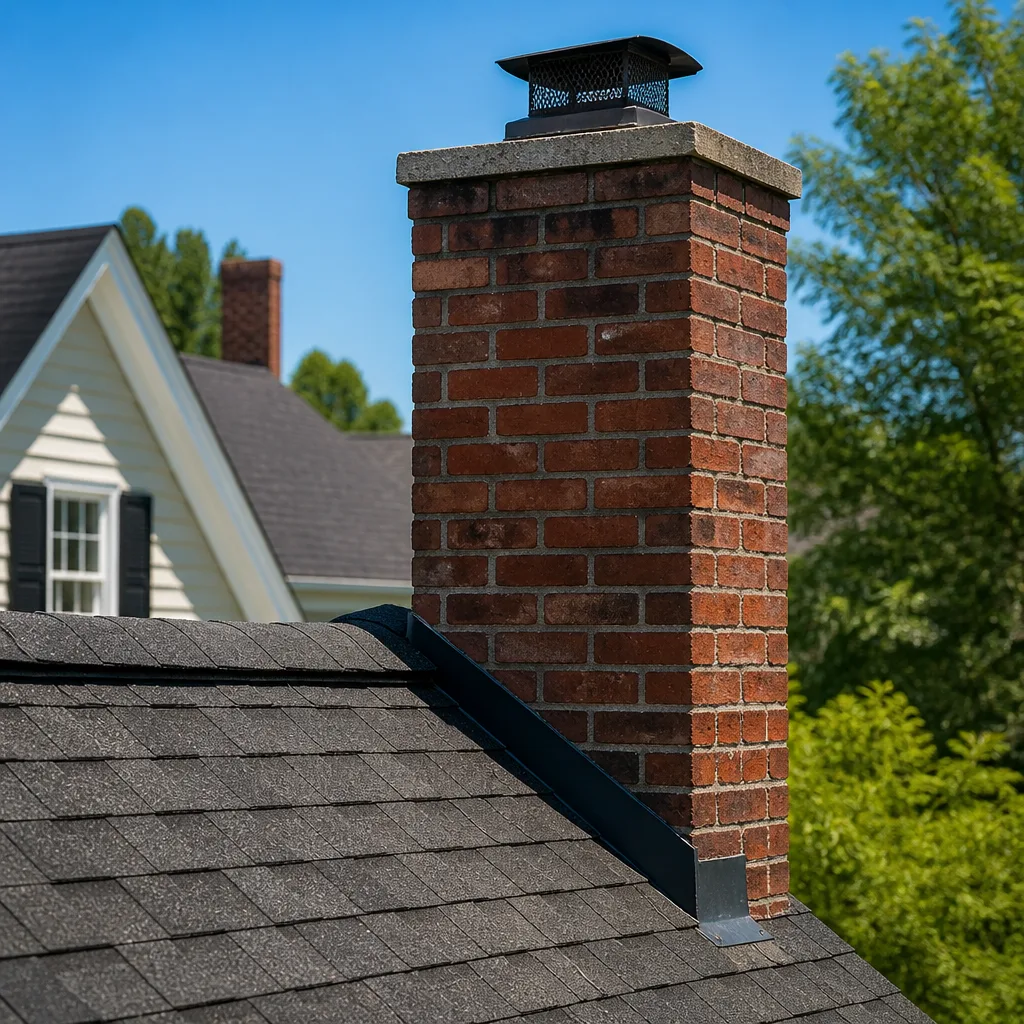 Sweep & inspection
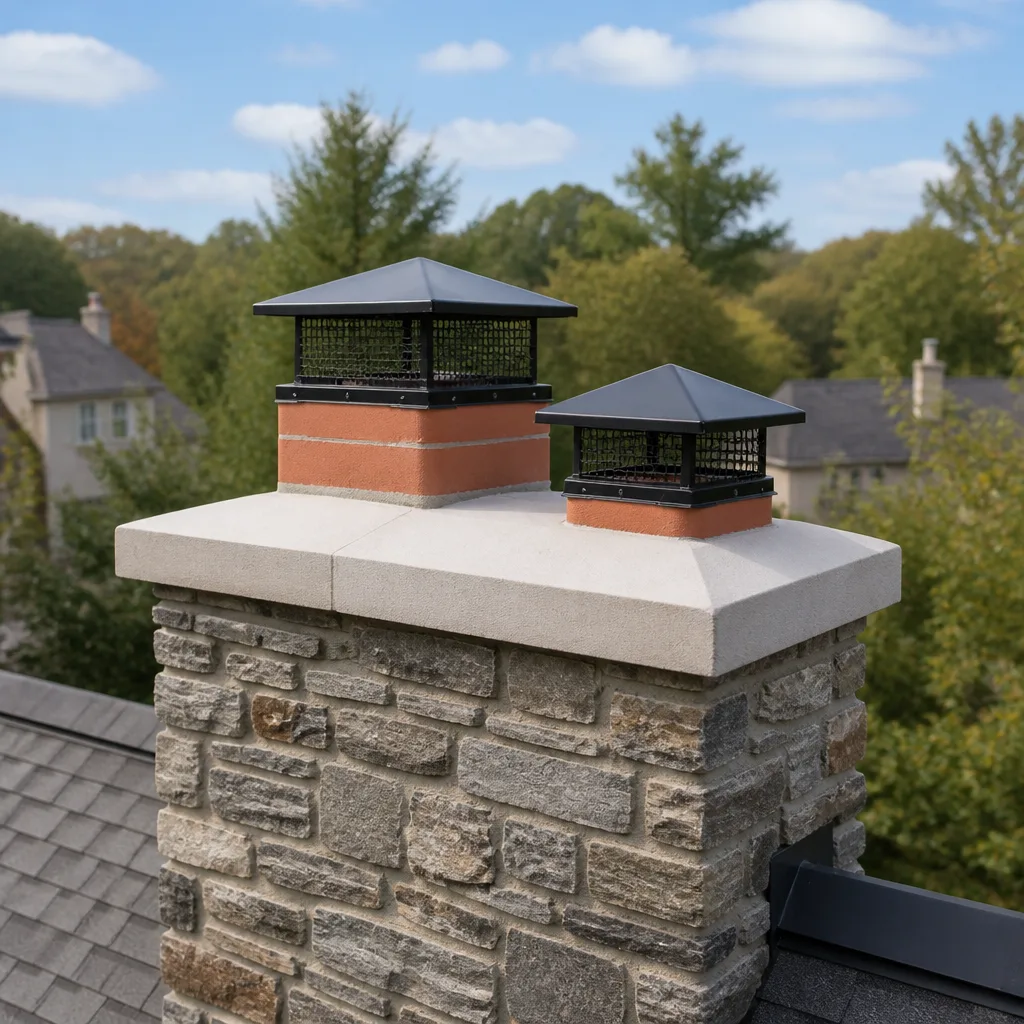 Caps & crowns
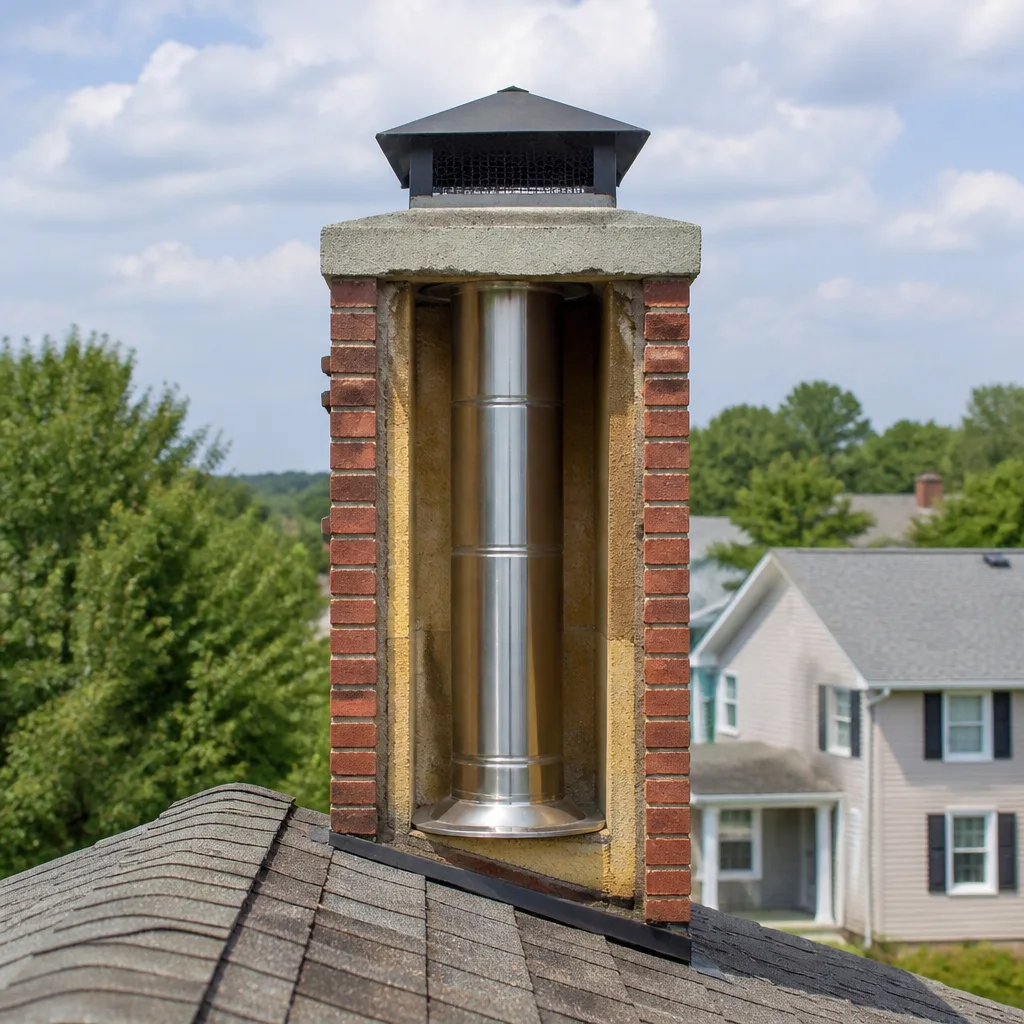 Flue relining
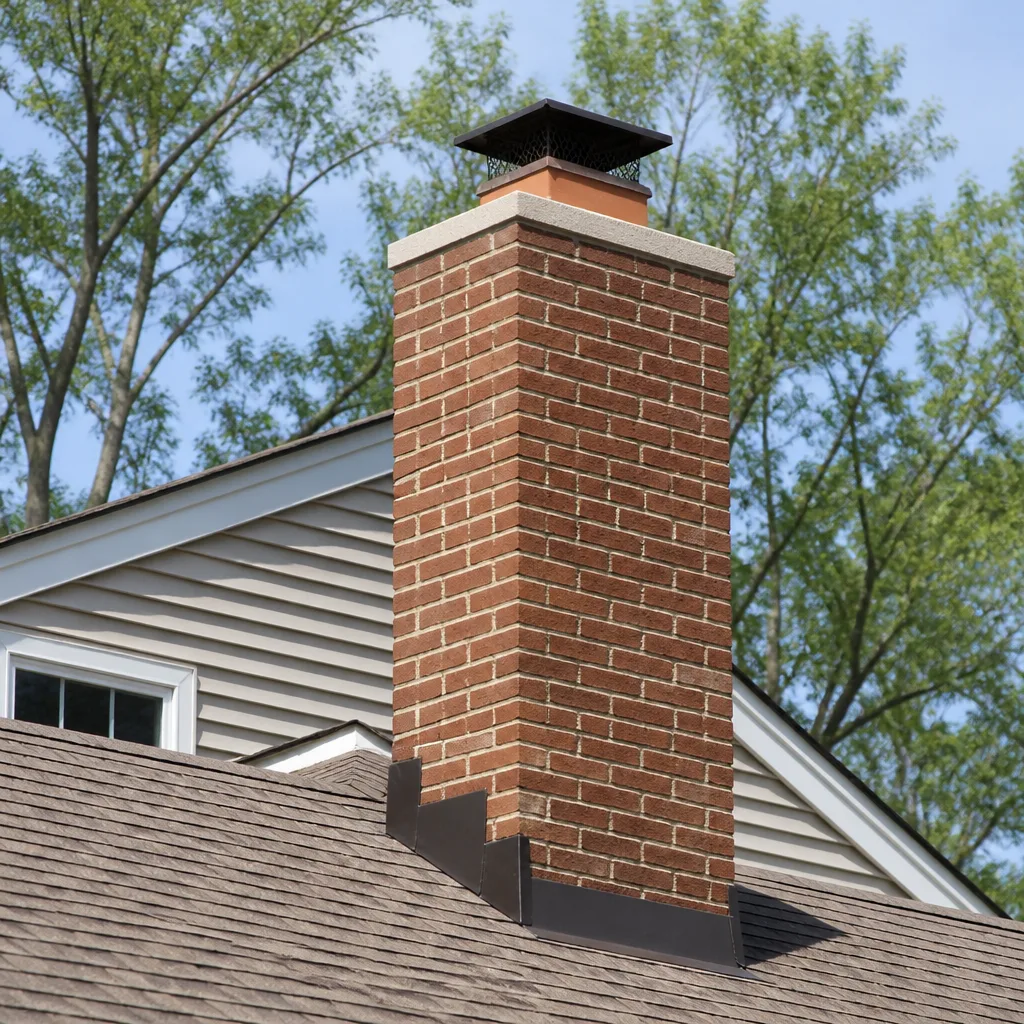 Masonry repair
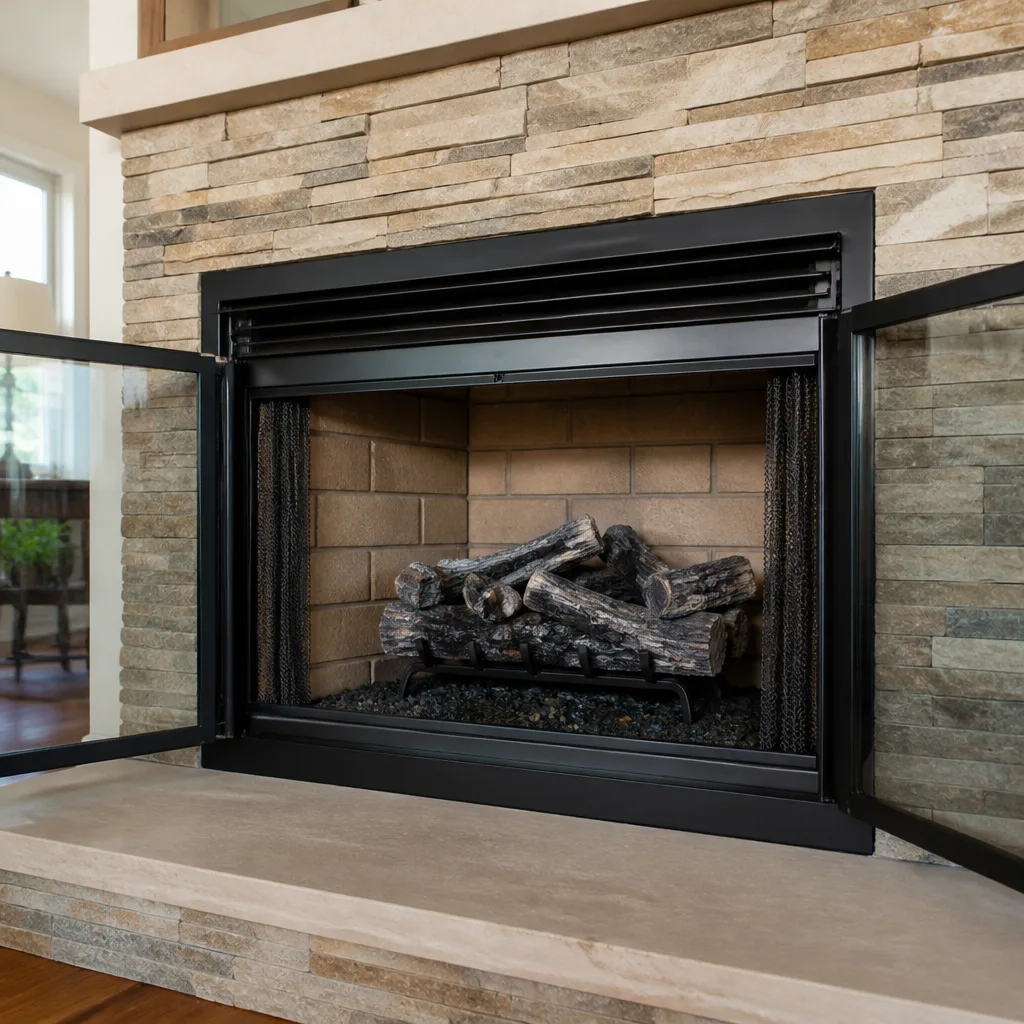 Gas fireplace service
Level 1 sweep and inspection to the NFPA 211 annual standard - flue, crown, cap, and flashing checked and photographed
Chimney sweep logs do not sweep chimneys. They loosen some creosote - which then falls where a brush and vacuum still have to collect it.
Chimney Cleaning Warning Signs: A Westminster Homeowner’s Reference Guide
Most chimney problems don’t announce themselves with smoke billowing into the living room. They start as a faint smell in July, a chalky white stain on the brick, or a fire that suddenly draws a little slower than it used to. Homeowners tend to blame the weather, a closed damper, or “just how it burns now.” In our experience, the chimney is usually the real source. This guide walks Westminster homeowners through the warning signs worth taking seriously, how to tell one problem from another, and what each one actually means for your fireplace.
Quick Answer
The main chimney cleaning warning signs are creosote odor inside the house when no fire is burning, smoke that rolls back into the room, sooty or glossy black buildup in the firebox, white staining on exterior brick, rust or water streaks on the firebox walls, and visible debris or animal nesting at the flue. Any one of these means the chimney needs a professional inspection before the next fire.
Styles & brands we work with
- Sweep & inspection
- Caps & crowns
- Flue relining
- Masonry repair
- Gas fireplace service
Table of Contents
- What the Smell Is Telling You
- Inside the Firebox: Cleaning Signs vs. Damage Signs
- Exterior Warning Signs You Can Spot From the Ground
- Draft and Smoke Behavior Changes
- White Staining on Brick: What Efflorescence Means
- Why Westminster’s Climate Accelerates Chimney Problems
- A Seasonal Checklist for Westminster Homeowners
- Common Mistakes to Avoid
What the Smell Is Telling You
A smoky smell in your living room in July, when no fire has burned in months, isn’t a draft problem. It’s a liner or cap problem. Those two require completely different responses, and telling them apart is the first skill this guide teaches. In Westminster, where summer heat pushes indoor air up and out through the chimney, the chimney becomes an exhaust path for whatever is sitting inside it. What you smell is a direct report on what’s in the flue.
There are three distinct odors worth learning to recognize, and each points to a different cause:
- Creosote odor – a sharp, tarry, campfire-like smell. Creosote is the residue of incomplete combustion, and when it builds up in the flue it off-gasses into the house on warm days. Heavy creosote is also the fuel source for chimney fires, so this smell is the most important one to act on.
- Animal intrusion odor – musty, ammonia-like, or plainly animal. Birds, squirrels, and raccoons get into uncapped flues, and nesting material blocks the draft and adds a fire risk of its own. A properly fitted cap from a line like Copperfield closes off this entry point.
- Masonry moisture odor – a damp, earthy, cellar-like smell. This points to water getting into the masonry through a failed crown, cracked cap, or missing flashing. Moisture breaks down brick and mortar over time, and it’s the leading cause of chimney deterioration.
If you can’t tell which odor you’re dealing with, that’s normal. A technician can identify it in minutes during a sweep and point to the fix. Call Westminster Chimney Sweep Co if the smell has been there for more than a season.
Inside the Firebox: Cleaning Signs vs. Damage Signs
When you open the firebox door, you’re looking at two different categories of evidence. Some signs mean the chimney needs cleaning. Others mean it needs repair. Learning to sort them saves you from either ignoring real damage or paying for work you don’t need.
Signs the chimney simply needs cleaning:
- Soot coating the firebox walls, damper, and smoke chamber in a dry, powdery layer
- A thin gray film on the glass doors that wipes off fairly easily
- Ash and debris piled higher than usual at the base of the firebox
- A faint creosote smell that fades once the flue is swept
Signs of structural or liner damage:
- Glossy, hardened, or bubbly creosote on the flue walls (this indicates a hot fire has already occurred)
- Cracked or crumbling firebrick, or mortar joints that crumble when touched
- Rust streaks or white deposits on the metal damper or firebox components
- Visible gaps, cracks, or missing sections in the flue liner itself
A standard chimney sweep addresses the first category. The second category is where a specialty company matters, because findings need to be acted on by the same crew that inspects them. A cracked liner, for example, can sometimes be rehabilitated with HeatShield resurfacing rather than full liner replacement.
Exterior Warning Signs You Can Spot From the Ground
You don’t need to climb a ladder or access the roof to see most of the serious exterior warning signs. A walk around the house with a pair of binoculars will show you a lot. In Westminster, hailstorms and freeze-thaw cycles are hard on chimney exteriors, so these checks are worth doing after any significant weather.
- Look at the crown. The crown is the concrete cap at the very top of the chimney. Cracks, missing chunks, or a crown that slopes toward the flue instead of away from it all let water in. Cap and crown work is one of the two most common water intrusion points we address.
- Look at the cap. If your chimney has no cap at all, it’s exposed to rain, snow, birds, and squirrels. A properly installed cap is the most cost-effective water damage prevention available.
- Check for spalling brick. Flaking, crumbling, or popping brick faces on the chimney stack mean water has gotten in and is freezing inside the brick. This is a repair signal, not just an appearance issue.
- Look for rust streaks on the flashing where the chimney meets the roof. Rust means water is sitting where it shouldn’t.
- Watch for leaning or tilting. A chimney that leans, even slightly, may have a foundation or structural problem that needs professional evaluation.
- Look for efflorescence – the white chalky staining covered in its own section below.
If any of these catch your eye, the right next step is a professional inspection, not a repair decision. We can do both – inspect it and fix it – without a handoff to a second contractor.
Draft and Smoke Behavior Changes
Draft problems and liner problems are different, and telling them apart matters because the fixes are different too. Draft is how well the chimney pulls smoke up and out. A draft failure may be a blockage, a cap issue, or a house pressure problem. A liner failure means the flue itself is compromised. The symptoms overlap, which is why homeowners so often misdiagnose one as the other.
Assessing the symptom:
- Smoke rolls into the room on startup only, then clears – often a cold-flue draft problem or a house pressure issue. Not always a cleaning concern.
- Smoke rolls into the room throughout the fire – likely a blockage in the flue, a partially closed damper, or a cap that isn’t venting correctly.
- Smoke comes in only on windy days – usually a cap failure or a cap that’s the wrong style for your chimney.
- The fire burns weakly with a smoldering smell – often excessive creosote or partial blockage lowering draw.
- Smoke leaks from seams in the smoke chamber or firebox – a sign the liner or masonry has failed. Stop using the fireplace until it’s inspected.
If you’re seeing the last category – smoke leaking through seams – that’s a safety issue. Hire a trained professional before lighting another fire. For everything else, an inspection makes the diagnosis. In Westminster, we see these draft complaints concentrated in older homes where the original flue was built for a different fuel than the homeowner is using now.
White Staining on Brick: What Efflorescence Means
White chalky staining on brick is called efflorescence, and it’s a moisture signal, not a cosmetic one. Efflorescence forms when water moves through masonry, dissolves salts from the brick and mortar, and deposits them on the surface as the water evaporates. It’s the masonry equivalent of a fever: the stain itself is harmless, but it’s telling you water is moving through where it shouldn’t.
The tempting response is to paint over it. That’s the wrong move. Paint traps moisture inside the brick, which pushes the freeze-thaw damage deeper and accelerates spalling. You’ll end up with worse brick than you started with, and you’ll have hidden the signal that would have told you to find the water source.
What to do instead:
- Locate the water entry point. The crown and the flashing are the two most common spots.
- Have the crown and cap evaluated. If the crown is cracked or the cap is missing, that’s usually the source.
- Repair before you clean or seal. Sealing over an active leak traps the problem inside.
- Only after the source is fixed should efflorescence be cleaned off the brick.
If the white staining is paired with spalling brick (crumbling faces) or a soft, crumbly feel when you press the mortar joints, the repair is structural, not cosmetic. That’s a call to a chimney repair specialist, not a pressure-washing job.
Why Westminster’s Climate Accelerates Chimney Problems
Westminster sits along the Front Range, where the chimney faces two combined pressures: a long heating season that runs a fire most nights from fall through spring, and rapid temperature swings that push masonry through repeated freeze-thaw cycles. Both accelerate creosote buildup and exterior wear at a pace homeowners from milder climates don’t expect.
What that means practically:
- More creosote, faster. A Westminster wood-burning fireplace that runs four or five nights a week through the season builds creosote faster than a homeowner’s “annual sweep” assumption suggests. Many Westminster homes benefit from an inspection each fall regardless of how much the fireplace ran last season, because creosote deposits can be invisible from the firebox.
- Freeze-thaw on the crown and cap. Snow melts during the day and refreezes at night. Any small crack in the crown becomes a larger one over a couple of seasons, and water that gets into the brick then freezes and spalls it. A properly installed cap keeps a lot of this out.
- Hail and wind damage on the chimney top. Front Range storms can crack a crown or knock a cap loose. It’s worth doing a post-storm visual check.
- Dry, fast-burning fires. The dry Front Range air can mean wood burns hotter and faster than a homeowner expects, which is one more reason to stay on top of creosote.
None of this is a scare story. It’s just the reason our advice to Westminster homeowners is a little more conservative about inspection frequency than you’ll see in a generic chimney guide.
A Seasonal Checklist for Westminster Homeowners
A short checklist each season catches most problems before they turn into repair work. This is the routine we’d suggest to any Westminster homeowner with a working fireplace:
Fall (before first fire):
- Walk the exterior and look at the crown, cap, flashing, and brick from the ground.
- Open the firebox and look for soot, cracked firebrick, and rust.
- Smell the firebox with the damper open – anything smoky or damp is a flag.
- Book a professional sweep and inspection before the season starts.
Mid-season:
- Watch for changes in draft – smoke rolling in, slower startup, weaker flames.
- Notice any new smell in the house during warm spells.
- Keep an eye on the firebox glass for unusual buildup.
Spring (after last fire):
- Have the chimney swept so acidic creosote doesn’t sit on the flue all summer.
- Check the cap and crown again after winter.
- Look for efflorescence or new staining on the brick.
If any step surfaces a concern, an inspection is the answer. A chimney sweep in Westminster is cheap compared to the alternative of a damaged liner or masonry rebuild. For a fireplace that needs more than cleaning – masonry work, damper repair, firebox work – the same company handles fireplace repair alongside the sweep.
Common Mistakes to Avoid
- Treating a July smell as a draft problem. Warm-weather chimney smells are almost always a liner or cap issue, not a draft issue. Diagnosing it as draft means the real problem stays in place.
- Painting over efflorescence. Paint traps the moisture inside the brick and accelerates spalling. Find the water source first.
- Skipping the inspection because “we only burned a little.” Creosote can build up over several seasons and isn’t visible from the firebox. A small fire count is not the same as a clean flue.
- Ignoring a cap that came loose after a hailstorm. An uncapped flue in Westminster means rain, snow, birds, and squirrels all have an open door. Cap repairs are quick and worth doing early.
- Using a firebox with a known cracked liner “one more time.” A cracked liner can let heat and carbon monoxide into the house structure. Stop using the fireplace until a trained professional checks it.
- Assuming a general handyman can assess the liner. Liner evaluation requires a proper inspection and the ability to act on what’s found. We work with liner materials from DuraFlex and resurfacing systems like HeatShield because generalist tools don’t cover this work.
- Waiting for a dramatic sign. Most chimney failures don’t announce themselves. The subtle ones in this guide are the ones that matter most.
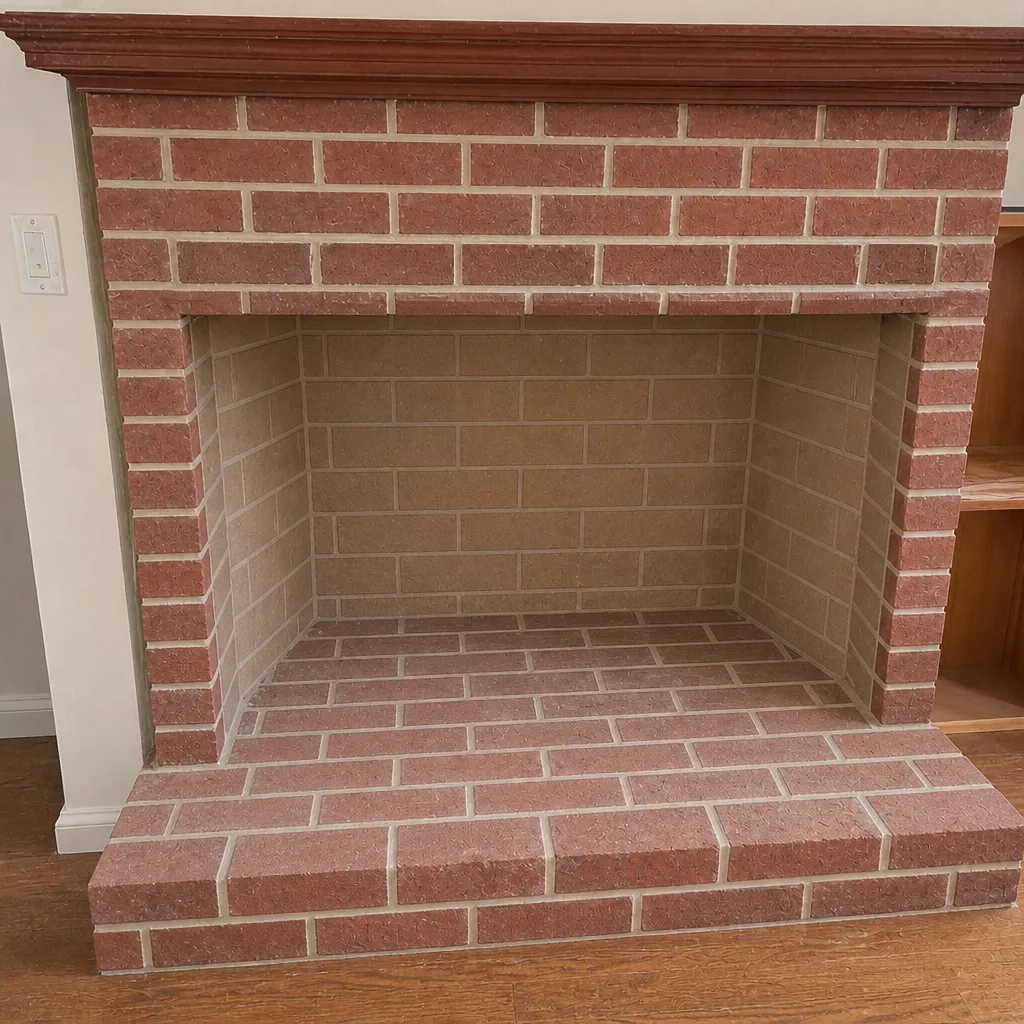
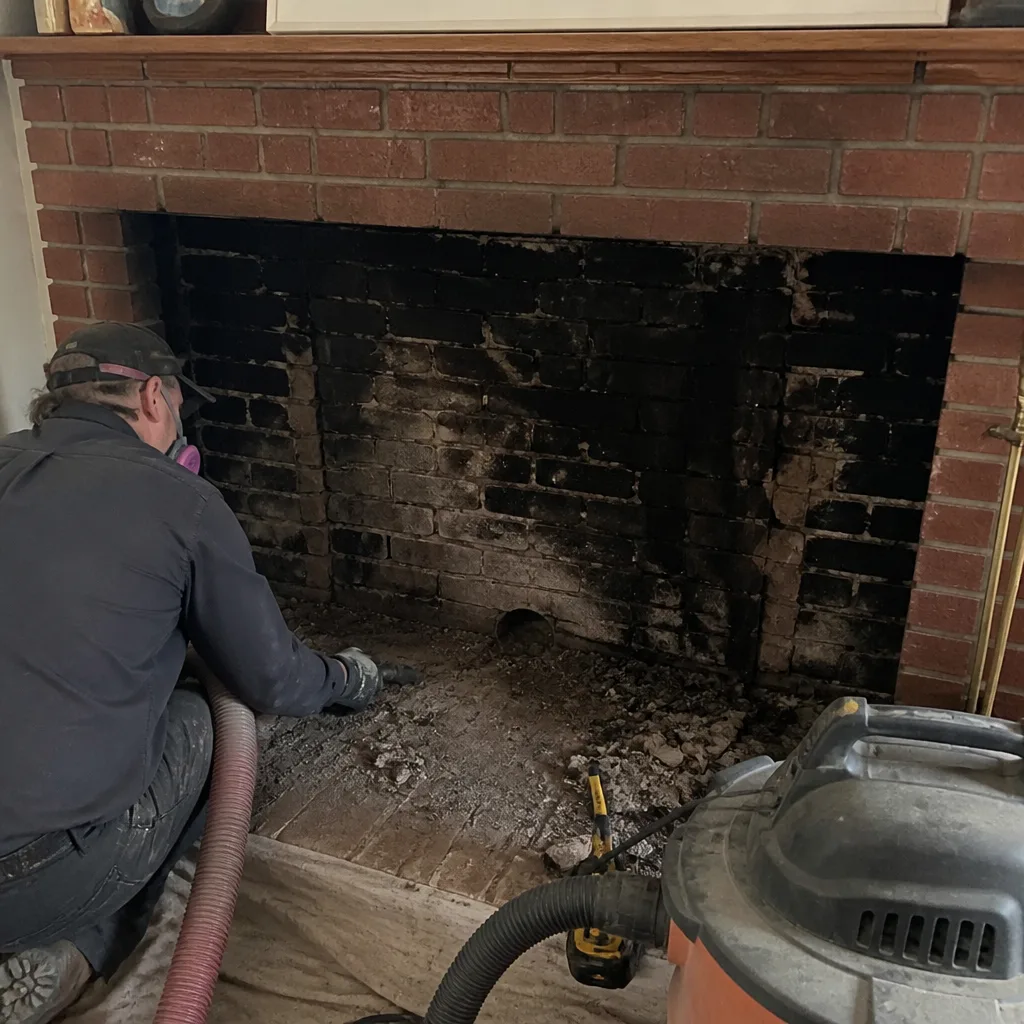
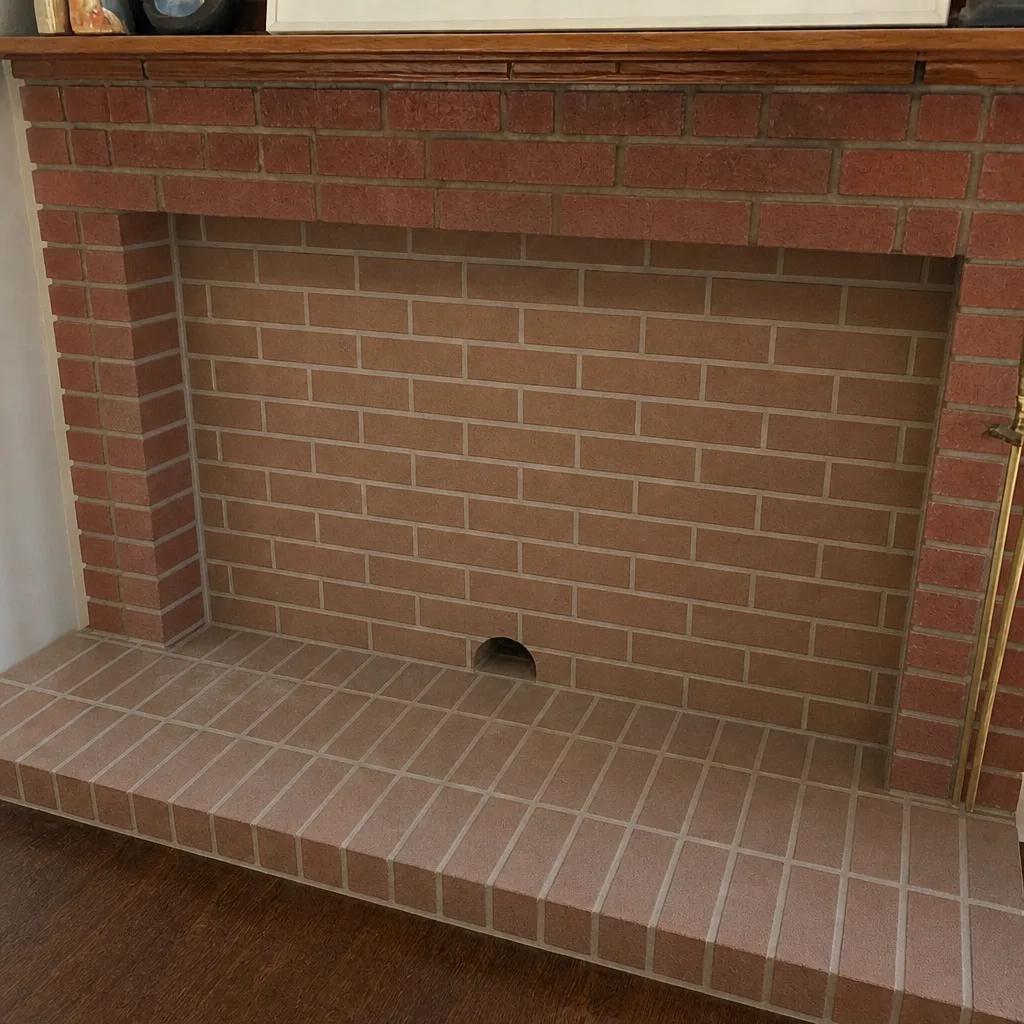
See the difference
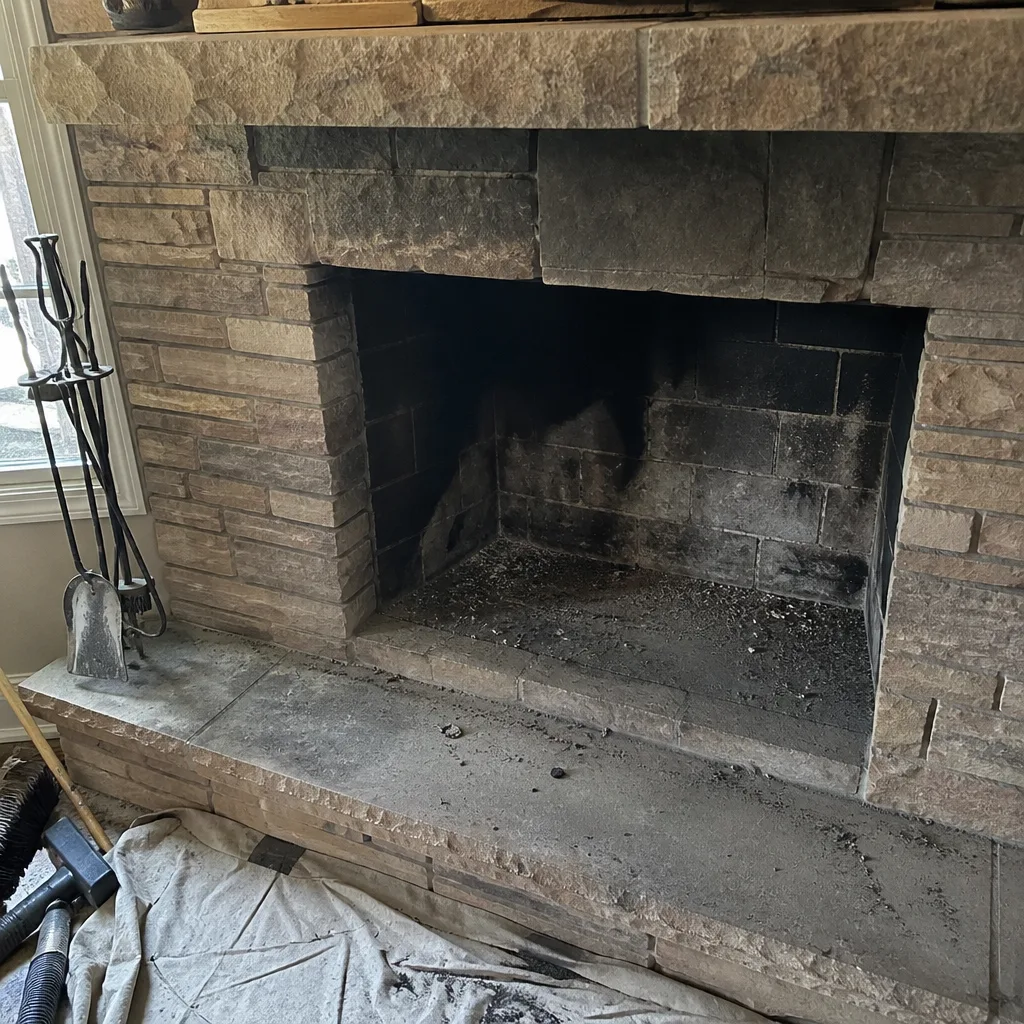 Before
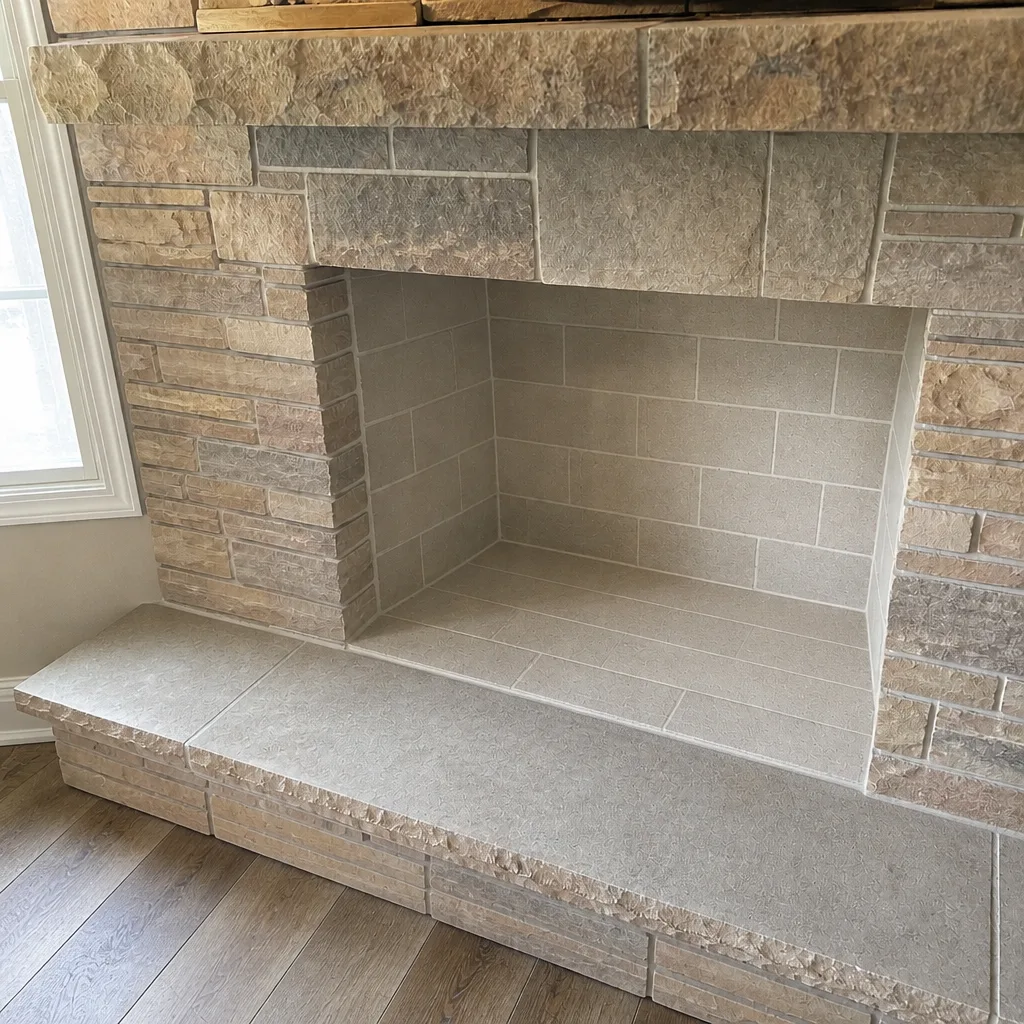 After
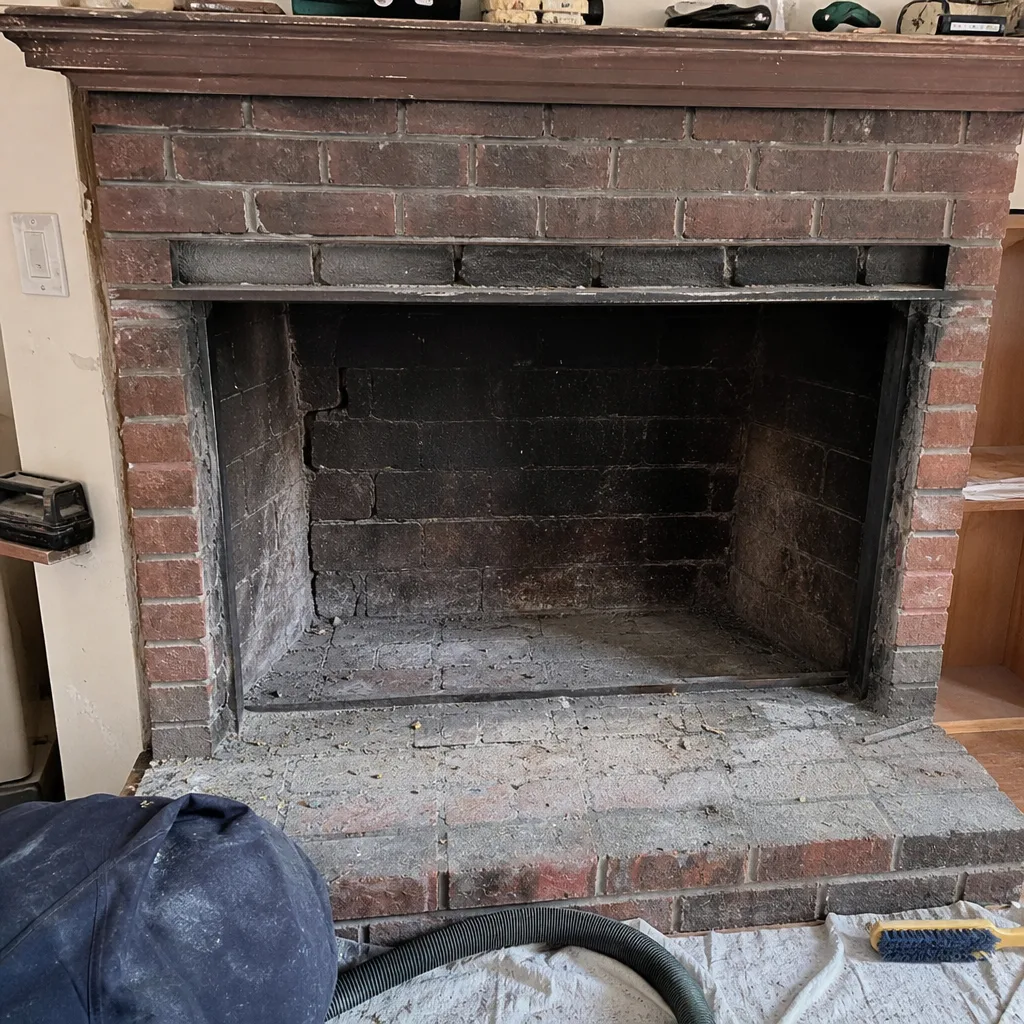 Before
 After
 Before
 After
When to Call a Professional
Call a professional if any of the following is true: you smell creosote or a damp smell in the house during warm weather, you’ve seen smoke leaking from seams or the smoke chamber, your firebox has glossy or bubbly creosote, you’ve noticed white staining or spalling on exterior brick, your cap is missing or loose, or your fireplace hasn’t been swept in over a year of regular use. Westminster Chimney Sweep Co offers free estimates in Westminster – call (866) 786-8955. We answer 24/7. Fast dispatch from 7am to 7pm, Sunday through Friday. Our technicians have up to 9 years of experience, and we handle sweep, inspection, cap and crown work, fireplace repair, and chimney repair in a single visit to the same company.
Frequently Asked Questions
Look for three signs from inside and from the ground: a smoky or tarry smell in the house when no fire is burning, soot or glossy creosote visible in the firebox, and visible debris or nesting at the top of the flue. If any of these are present, book an inspection. Call (866) 786-8955 for an exact quote – estimates are free.
Yes. A smoky smell inside the house in summer, when no fire has burned, is usually creosote off-gassing or a cap issue letting moisture or animal intrusion in. It’s a liner or cap problem, not a draft problem, and it’s worth an inspection before the fall. Call (866) 786-8955 to book one.
White staining (efflorescence) means water is moving through the brick and depositing salts on the surface. It’s a moisture signal, not a cosmetic one. Don’t paint over it – fix the water source (usually the crown or flashing) first. Call (866) 786-8955 for an inspection.
Sometimes. Smoke that only rolls in on startup or on windy days usually points to draft or a cap issue. Smoke that appears throughout the fire, or smoke leaking from seams in the firebox or smoke chamber, points to a blockage or liner damage. If smoke is leaking from seams, stop using the fireplace and get it inspected.
At least once a year for a regularly used wood-burning fireplace, and often more frequently in Westminster because our long heating season builds creosote faster than in milder climates. An inspection each fall is the safe baseline. Call (866) 786-8955 to schedule yours.
Ask for an inspection with findings explained before any work is quoted. We inspect it and we can fix it – no second contractor, no gap in accountability. Nothing is recommended without an explanation of what was found and why. Call (866) 786-8955 for a free estimate.
The Bottom Line
Chimney warnings are usually subtle, not dramatic. A smell in July, a slower draft, a chalky stain on the brick – each points to a specific cause and a specific response. Act on the smell of creosote, stop using a fireplace with a cracked or leaking liner, and never paint over efflorescence. Book an inspection when something changes, and sweep the chimney at least once a year. Westminster Chimney Sweep Co covers sweep, inspection, cap and crown, fireplace repair, and chimney repair as a single accountable job – we work with professional-grade materials from lines like Famco, DuraFlex, Copperfield, and HeatShield. Nothing gets recommended without an explanation you can follow.
Get a Free Estimate
If anything in this guide sounds familiar, call Westminster Chimney Sweep Co for a free estimate. We’ll sweep, inspect, and explain what we find before we recommend anything. Call (866) 786-8955. We answer 24/7. Fast dispatch from 7am to 7pm, Sunday through Friday.
Written by the team at Westminster Chimney Sweep Co.