
Last updated November 23, 2026
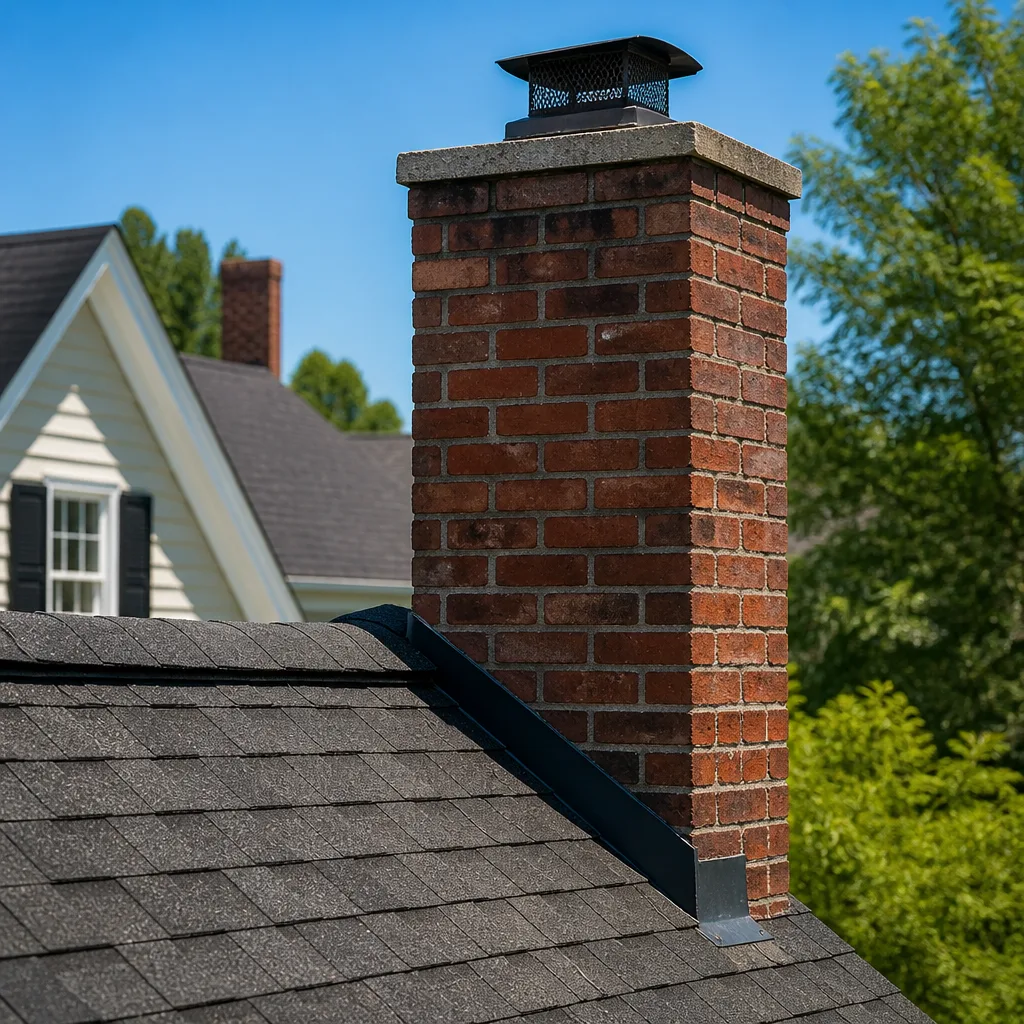 Sweep & inspection
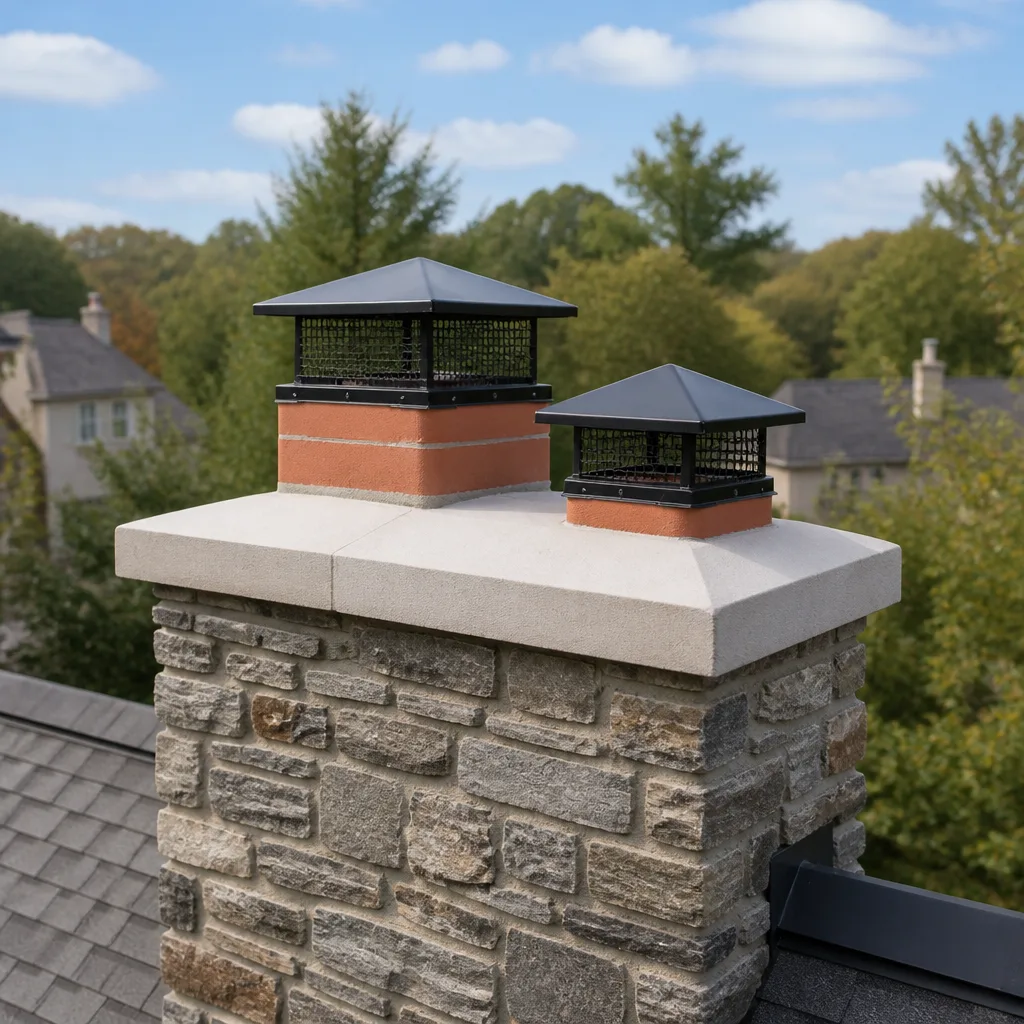 Caps & crowns
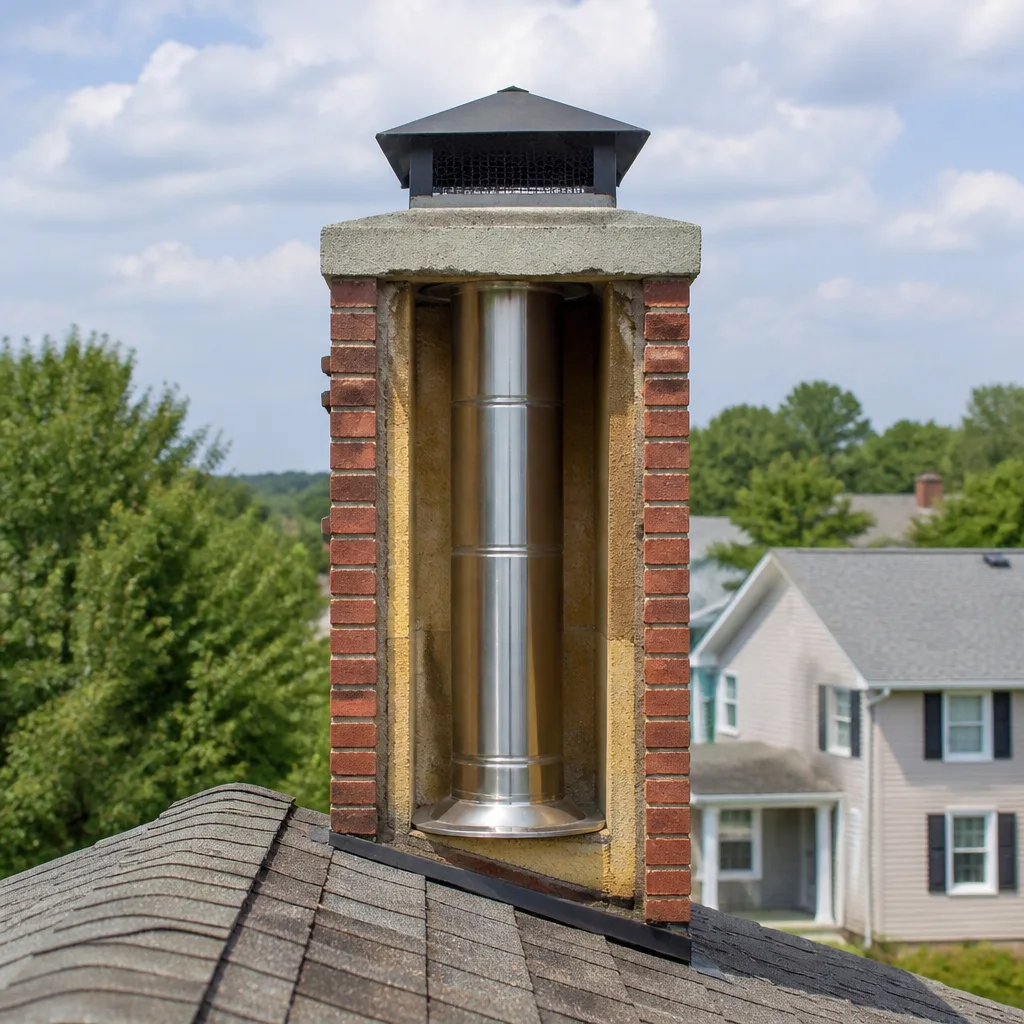 Flue relining
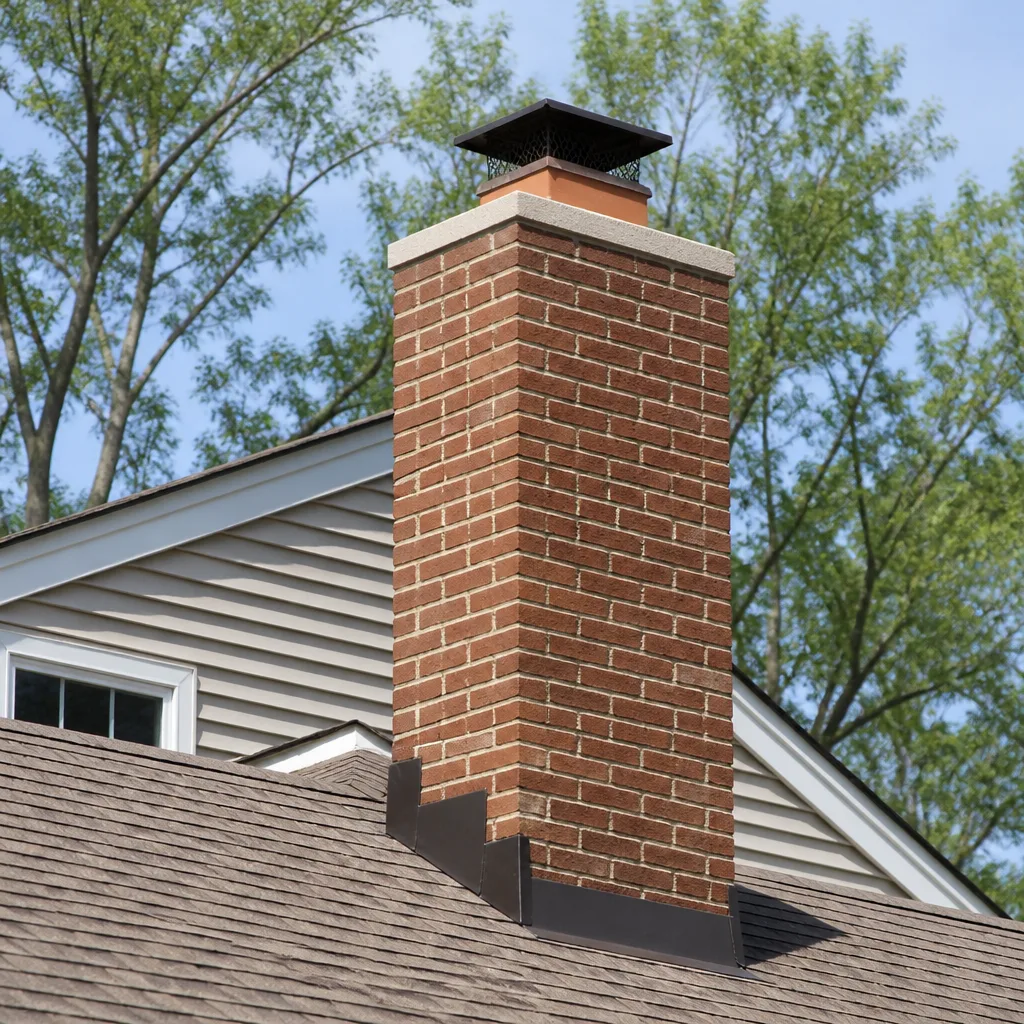 Masonry repair
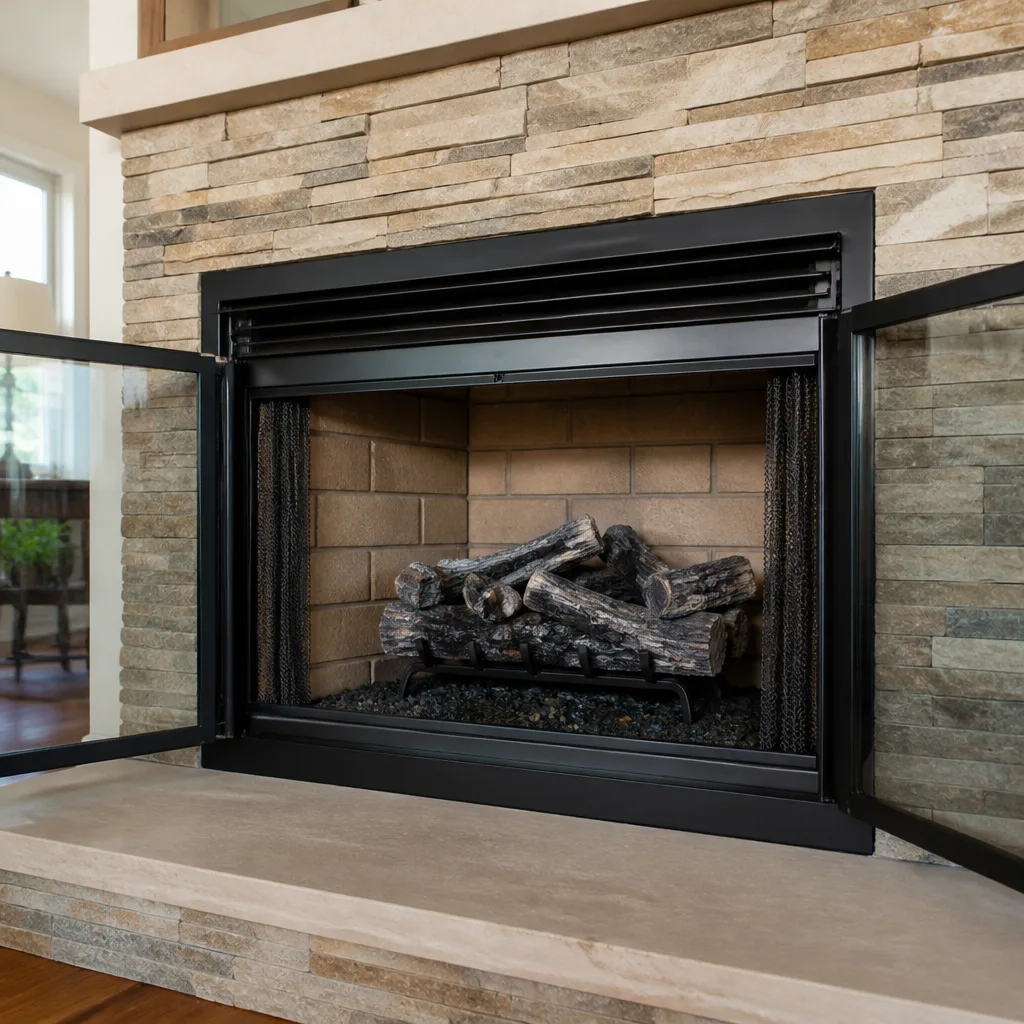 Gas fireplace service
Level 1 sweep and inspection to the NFPA 211 annual standard - flue, crown, cap, and flashing checked and photographed
Chimney sweep logs do not sweep chimneys. They loosen some creosote - which then falls where a brush and vacuum still have to collect it.
Chimney Sweep Maintenance Checklist for Westminster Homeowners
A chimney that was swept clean in October can be genuinely unsafe by January, and it has nothing to do with how many months have passed. It has to do with how much wood you burned. A household running two or three fires a week builds a different creosote load than a household running a fire most nights, and the calendar can’t tell the difference between them. Most chimney checklists are built around dates, and dates ignore usage entirely. This guide gives you something better: a condition-based checklist that tells you what to actually look for, inside and out, and which findings mean “book a sweep” versus “stop burning and get an inspection.” We’ll walk through usage triggers, the interior checks you can safely do from the firebox level, the exterior masonry points that Colorado freeze-thaw cycles punish every winter, and how to keep a simple log so a sweep in Westminster can give you a real answer instead of a guess.
Quick Answer
A chimney maintenance checklist for a Westminster home should be driven by how much you burn, not by the calendar alone. Sweep when you’ve burned roughly a cord of wood or run about 50 to 80 hours of active fire, inspect the cap, crown, and mortar joints from the ground every season, and check the firebox and damper area before your first fire and again midwinter. Anything involving the flue interior, the roof line, or the masonry above eye level belongs to a trained chimney professional, not a homeowner with a ladder.
Styles & brands we work with
- Sweep & inspection
- Caps & crowns
- Flue relining
- Masonry repair
- Gas fireplace service
Table of Contents
- Usage-Based vs. Calendar-Based Scheduling
- Interior Checks You Can Do Safely From the Firebox
- Exterior Masonry Checks for Colorado Freeze-Thaw
- Which Checklist Item Means What
- How to Log Chimney Use Across a Season
- The Full Westminster Chimney Maintenance Checklist
- Common Mistakes to Avoid
- When to Call a Professional
Usage-Based vs. Calendar-Based Scheduling
The single most common misconception about chimney care is that an annual sweep is a fixed appointment, like an oil change. It isn’t. Creosote, the tarry residue that builds on flue walls and fuels chimney fires, accumulates in proportion to what you burn and how you burn it, not how long it’s been since your last cleaning. A home that burns one cord of seasoned hardwood a season and a home that burns four cords of mixed green wood are in completely different maintenance categories by February, even if both were swept on the same October day.
In our experience across Westminster, most households that get into trouble are the ones burning hard through January and February with no idea their flue has loaded up. Here’s how to think about the triggers:
- Roughly one cord of seasoned wood burned is a common trigger point for a sweep, especially if the wood was well dried. Call it a general rule of thumb rather than a hard line.
- Two or more cords, or heavy burning of mixed or less-seasoned wood usually means a sweep is worth booking before the season ends, not just before the next one starts.
- Active fire hours matter too. Some homeowners track this. If you’ve run roughly 50 to 80 hours of live fire, that’s a reasonable signal to schedule a cleaning, particularly with a passive or open fireplace.
- Gas fireplaces don’t produce creosote the way wood does, but they still need inspection for venting, debris, and any signs of improper combustion. Cleaning frequency for gas is much lower, but the inspection doesn’t disappear.
The reason this matters: a fixed annual sweep protects the homeowner who burns lightly but over-schedules the one who doesn’t burn much at all, and it under-protects the heavy burner in the middle of a cold Colorado winter. Usage-based scheduling is the honest version. When you call a chimney sweep, the most useful thing you can tell them is how much you burned and what you noticed, not just “it’s been a year.”
Interior Checks You Can Do Safely From the Firebox
There’s a great deal a homeowner can examine from the firebox level without ever climbing onto the roof. This is the heart of a useful maintenance checklist, because it’s where most real problems announce themselves. The one hard rule: if a check requires you to reach up into the flue, climb a ladder, or get on the roof, that’s not a homeowner check. Leave it to a trained professional. Everything below is visible from the hearth, firebox, or damper area with a flashlight and reasonable care.
- The firebox walls. Look for cracked firebrick, crumbling mortar between bricks, and any gaps where heat and smoke could reach the structure behind. Small hairline cracks in the firebox brick are not unusual, but loose material or missing mortar is a stop sign.
- The damper. Open and close it. It should move cleanly and seal reasonably well when shifted closed. A damper that sticks open, won’t close, or has rusted into a fixed position affects both efficiency and safety.
- The smoke shelf and smoke chamber area. Shine a light up above the damper. You’ll see soot and some buildup, which is normal. You’re looking for heavy, thick, or glazed deposits, and for any blockages from animal nests or dropped masonry.
- The firebox floor and ash pit. Standing water, stains, or a lingering damp smell suggest a leak. Ash should be removed and stored safely, and a firebox that stays damp is a problem even when you’re not burning.
- The hearth and hearth extension. Check that the hearth surface is intact and that no combustible material has crept onto it. This is the simple clearance zone that keeps a fire from finding its way into the room.
- The room-side fireplace face. Look for rusted or stained metal, discolored paint, or new cracking that appears after a fire. Heat escaping where it shouldn’t is worth a professional look.
Run through this list before your first fire of the season, and again at least once midwinter when the firebox is cold and you can see clearly. Nothing here is dramatic. But these are the observations that let you describe a problem accurately to a professional, and accurate description is the difference between a routine cleaning and a targeted fireplace repair call.
Exterior Masonry Checks for Colorado Freeze-Thaw
Westminster sits along the Front Range, and Front Range winters do a specific thing to masonry: they freeze, thaw, freeze again, often within a matter of days. Water seeps into any crack in the brick, mortar, crown, or cap, freezes, expands. Over a few seasons those small cracks widen. This is the main reason chimney deterioration in our area is so often a water story rather than a fire story, and it’s why the exterior checklist matters as much as the interior one.
The good news is that most of the exterior checks can be done from the ground with a pair of binoculars or by walking a safe distance back from the house. Never climb onto the roof to inspect your own chimney. Here’s what to look at:
- The crown. That’s the sloped concrete or masonry top that sits over the chimney. Look for visible cracks, chunks missing, or any spot where water looks like it would pool instead of run off. A failing crown sends water straight down into the chimney structure.
- The chimney cap. The metal or mesh screen on top. Is it still attached? Is the mesh intact? A missing or damaged cap lets in rain, snow, birds, and debris, all of which accelerate deterioration and block the flue.
- Mortar joints. Scan the brickwork for joints that look recessed, crumbling, or missing. Joints taking on water are the entry point for freeze-thaw damage.
- Spalling brick. A brick whose face is peeling, flaking, or popping off is spalling. Water got in and froze. Finding one or two is an early warning; finding many is a repair call.
- Tilt and lean. Step back and look at the chimney silhouette. A chimney that appears to lean, or that has a visible gap where it meets the roofline, deserves a specialist inspection.
- Efflorescence. That white, powdery staining on brick or mortar is a sign of moisture moving through the masonry. It’s not urgent on its own, but it’s information worth acting on.
A chimney cap or crown installed correctly is the most cost-effective water damage prevention available for a Westminster home, and it addresses the actual root cause of most masonry decline we see rather than just cleaning up after it. That’s why our cap and crown work handles both the cap (Olympia Chimney and Copperfield make sound, professional-grade caps) and the crown itself, since the two are usually doing the same job in different places.
Which Checklist Item Means What
This is the part most checklists skip: knowing whether a finding says “you need a cleaning” or “you need a structural inspection.” Those are different services, and treating one as the other wastes money or misses a real problem. Here’s how we think about it.
Signs a cleaning is needed (creosote or debris accumulation, no structural concern):
- You’ve burned roughly a cord or more, or about 50 to 80 hours of active fire, since the last sweep.
- You can see visible soot, flaky deposits, or a shiny glazed layer on what’s visible in the smoke chamber area above the damper.
- Draft feels sluggish compared to earlier in the season.
- Smoke rolls into the room when you first light a fire, when it didn’t used to.
- Debris or a nest has dropped into the firebox.
- There’s a noticeable smoky odor in the house even when the fireplace is cold.
Signs a structural inspection is overdue (something beyond cleaning is likely going on):
- Any interior firebox cracks that go beyond hairline, or loose or missing mortar in the firebox brick.
- Water stains, rust, or a persistent damp smell in the firebox or around the fireplace.
- Exterior masonry with spalling brick, crumbling joints, a cracked crown, or a leaning silhouette.
- Discoloration, blistering, or a lingering smoke smell on the room-side walls or ceiling near the fireplace.
- A gas fireplace that smells odd or shows soot where it didn’t before, or a fireplace insert that seems to vent poorly.
- Any suspicion that the flue liner is damaged, since a compromised liner is a job for a liner specialist rather than a cleaning brush.
When an inspection points to repair, having one company handle both means findings can be acted on right away. We inspect it and we can fix it: no second contractor, no gap in accountability, and no fresh trip charge for someone else to come look at the same flue. That matters for chimney repair in particular, because the longer a water entry point goes unaddressed in a Front Range winter, the more masonry it takes with it.
How to Log Chimney Use Across a Season
A log doesn’t have to be a spreadsheet. A wall calendar with a few notes per week, or a note on your phone, is enough. The point is to arrive at your next sweep with real information rather than a guess. Here’s a simple, workable way to keep a chimney-use log through the season:
- Record the date of your last sweep and inspection at the top of the log. Note who did the work and what they found, including any flagged items.
- Mark each burn day. A simple tick is fine. This gives you an easy count of active fire days at any point in the season.
- Estimate the fire hours. You don’t need precision. “One to two hours per evening fire” or “about four hours on a cold day” is plenty. Multiply across the season and you’ll have a working figure.
- Track your wood. Note roughly how much you started the season with, how much you’ve used, and whether it was well seasoned. Wood species and dryness affect creosote, so it’s worth jotting down.
- Record anything you noticed: sluggish draft, smoke in the room, a smell, a new stain, a crack in the firebox. Date each note. A dated observation is far more useful than a vague recollection in March.
- Review before you call. When you book a sweep in Westminster, give the technician your log. Roughly how much wood, how many hours, what kind of wood, and what you noticed is exactly what lets them recommend a service based on real usage instead of a calendar default.
The reason we make a point of this is simple. The condition of your flue is a function of what’s been burned in it. When we have that information, we can tell you whether a routine cleaning is all you need, or whether a chimney repair concern should be looked at during the same visit. When we don’t, the recommendation is a best guess. The log converts a guess into a decision.
The Full Westminster Chimney Maintenance Checklist
Here’s the checklist consolidated. Run the interior checks before your first fire, again at midwinter, and once at season’s end. Run the exterior checks from the ground at the start of each season and after any major windstorm or heavy snow. The usage tracker runs continuously.
Before the first fire of the season:
- Confirm the date of your last professional sweep and inspection.
- Inspect the firebox walls for cracks, loose mortar, and gaps.
- Test the damper open and closed.
- Shine a light up into the smoke chamber; note the soot level and any blockage.
- Clear ash and check the firebox floor for moisture, stains, or a damp smell.
- Check the hearth surface and hearth extension for clearance.
- Look at the room-side fireplace face for rust, staining, or new cracking.
- Step outside and inspect the crown, cap, mortar joints, brick faces, and chimney silhouette.
- Confirm your carbon monoxide alarms are in place and working.
- Set up your usage log and record your wood supply.
Midwinter (once the firebox is cold):
- Repeat the interior firebox and damper checks.
- Re-check draft and note any change.
- Look for water intrusion in the firebox or on the room-side face.
- Update your log: burn days, fire hours, wood used, observations.
- Do a fresh exterior look at the crown and cap after snow or ice.
End of season:
- Total up burn days and fire hours from your log.
- Do a final interior and exterior visual check.
- Review your notes and decide whether usage points to a cleaning.
- Book a sweep or inspection based on what you saw, not the calendar alone.
None of this replaces a professional sweep and inspection. It complements it. The best-prepared homeowners in Westminster are the ones who come to a sweep with a clear log and a short list of things they noticed. What we’re trained to see, we see anyway, but your notes get us to the right recommendation faster. We work with professional product lines like DuraFlex for liner components and reliable, professional-grade supplies from brands such as Famco and Olympia Chimney, so if a check does turn up a repair need, the fix uses trade-level materials rather than generic parts.
Common Mistakes to Avoid
- Treating the annual sweep as a fixed date. Sweeping in the same month every year ignores how much you actually burned. If you burned heavily, your flue may need attention well before the next anniversary date.
- Doing “a little cleaning” yourself up into the flue. Reaching into the flue with a brush or improvised tool risks dislodging creosote or masonry, damaging the liner, or worse. The flue interior is a job for a trained professional. A proper sweep uses the right tools and a camera inspection so you can see what’s actually in there.
- Ignoring the crown because the roof is above eye level. In a Colorado freeze-thaw winter, a cracked crown is the entry point that does the most damage over time. Look at it with binoculars from the ground every season.
- Skipping the cap. A missing or damaged cap lets in rain, snow, and wildlife, and it’s one of the cheapest failure points to correct. A properly installed cap is basic water damage prevention.
- Burning unseasoned or mixed green wood “because it’s what’s available.” Damp wood burns cooler and produces more creosote. It’s the difference between a light cleaning and a heavy one. Season your wood when you can.
- Assuming a gas fireplace needs no attention. Gas doesn’t build creosote, but it still needs venting and combustion inspection. A gas fireplace that smells strange or shows soot is telling you something.
- Waiting for smoke in the room before acting. If smoke is backing into the room, something has changed. That’s not a “wait and see” signal; it’s a call for a professional inspection.
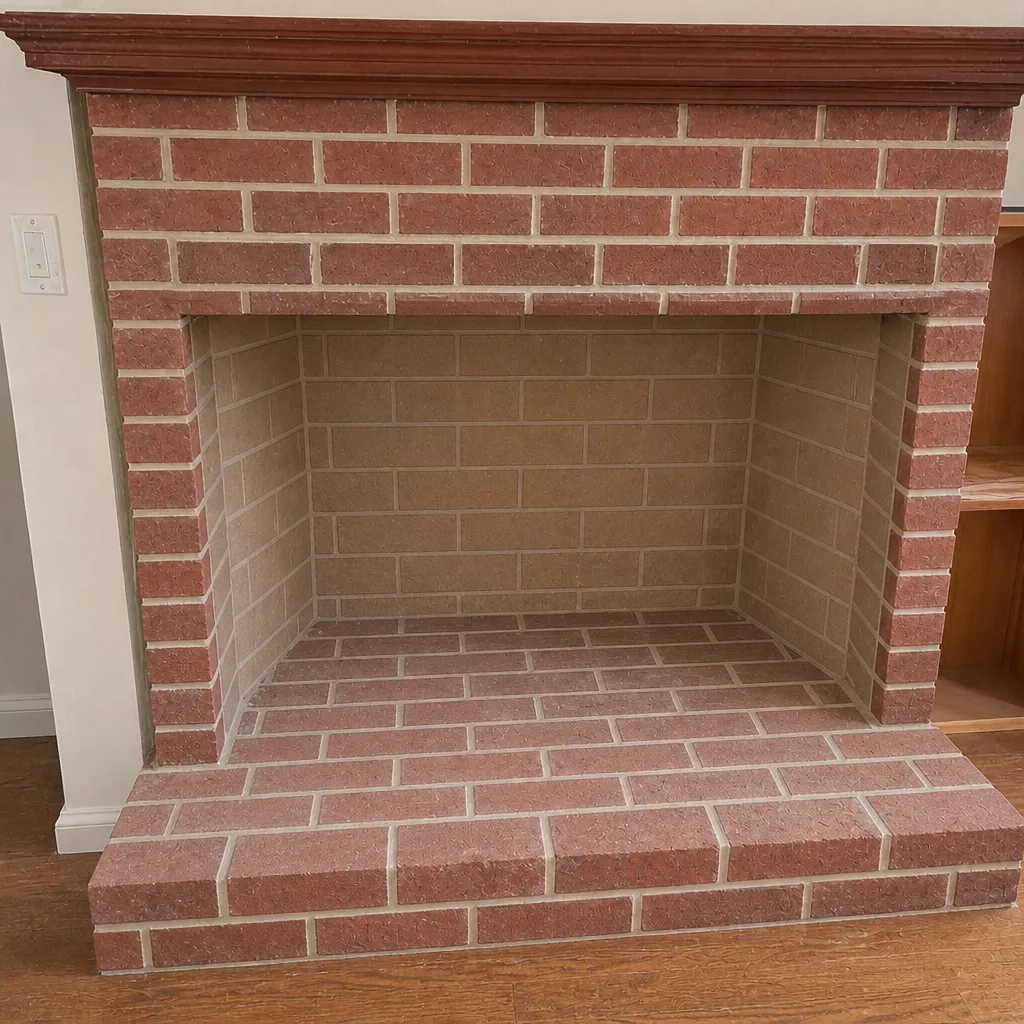
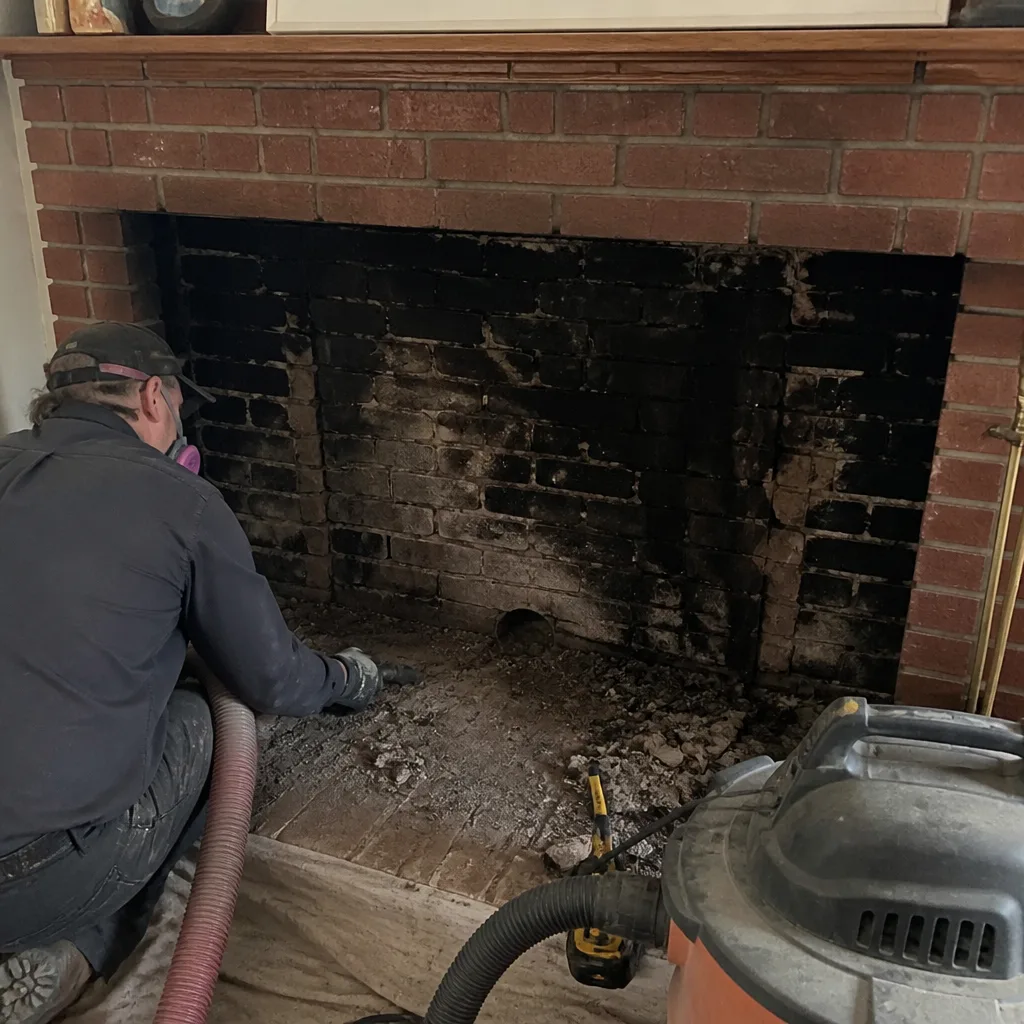
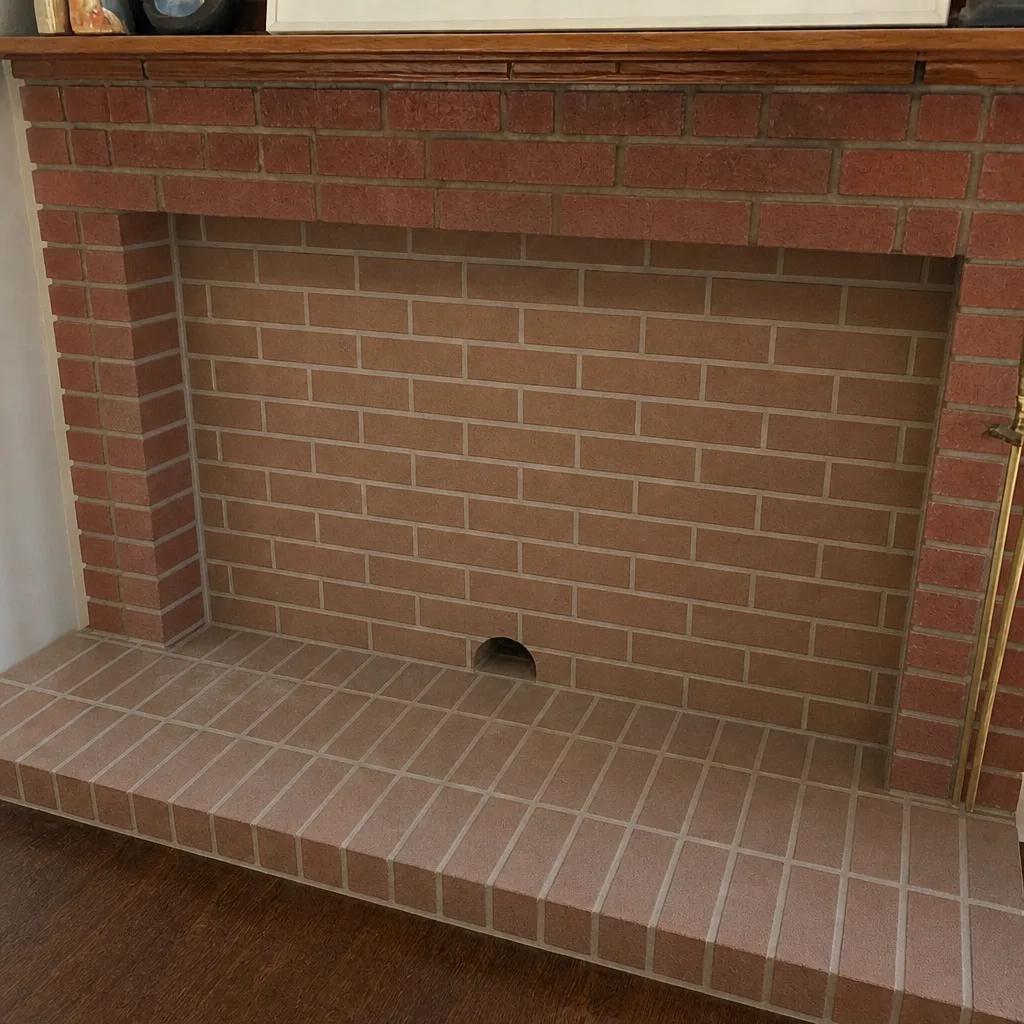
See the difference
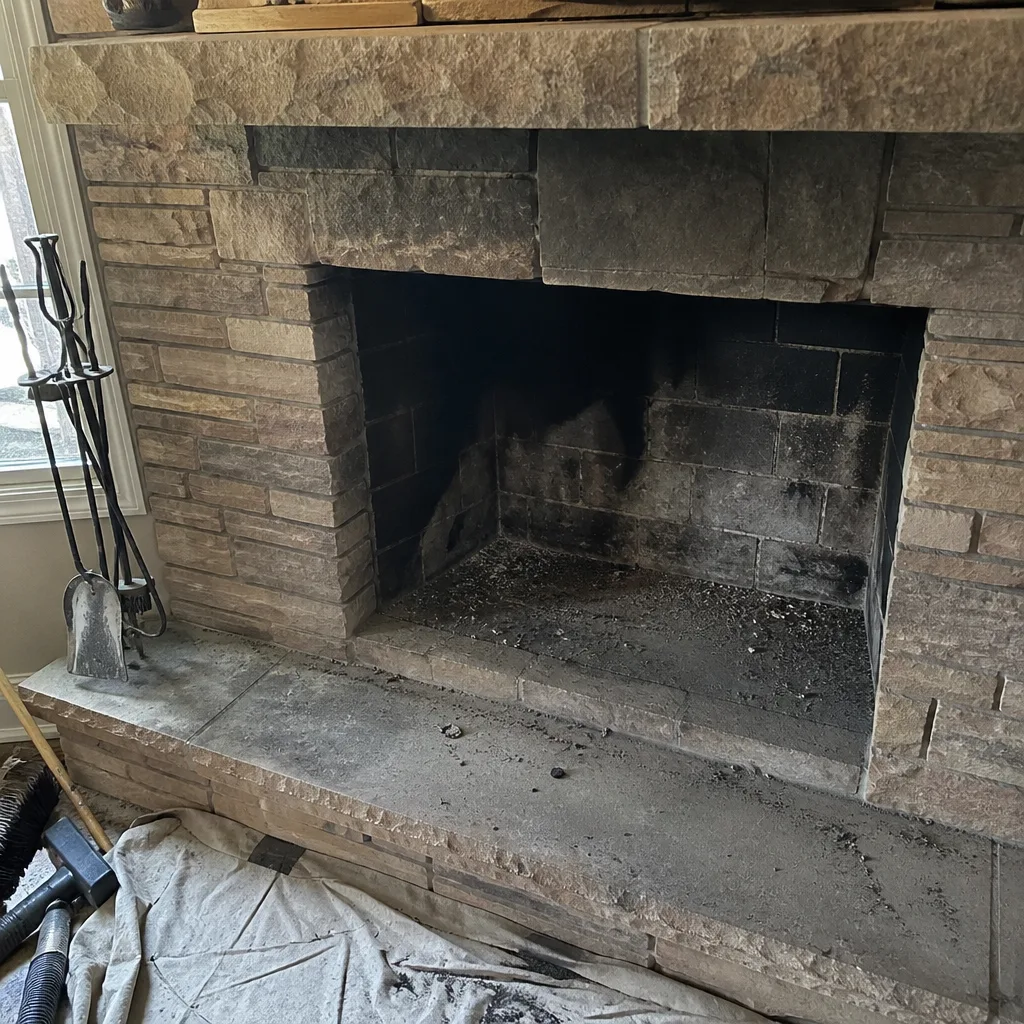 Before
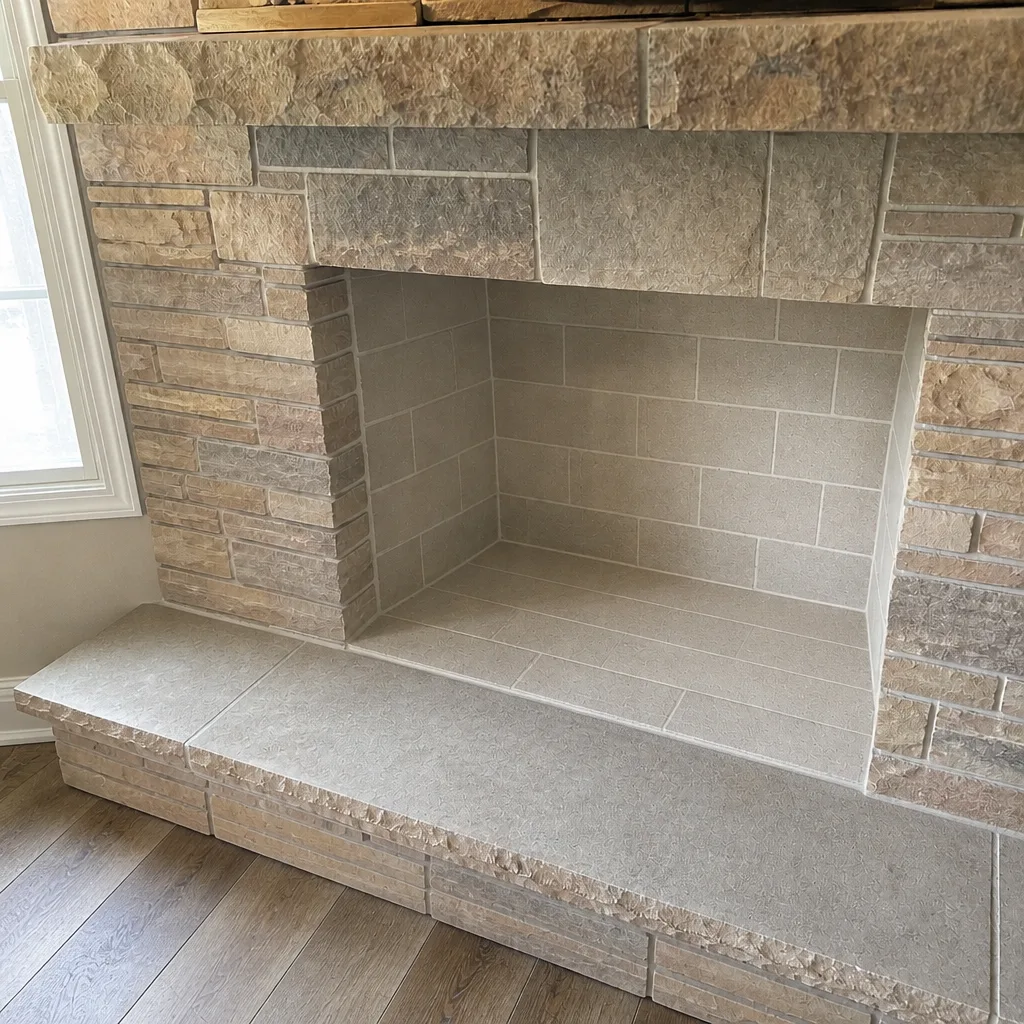 After
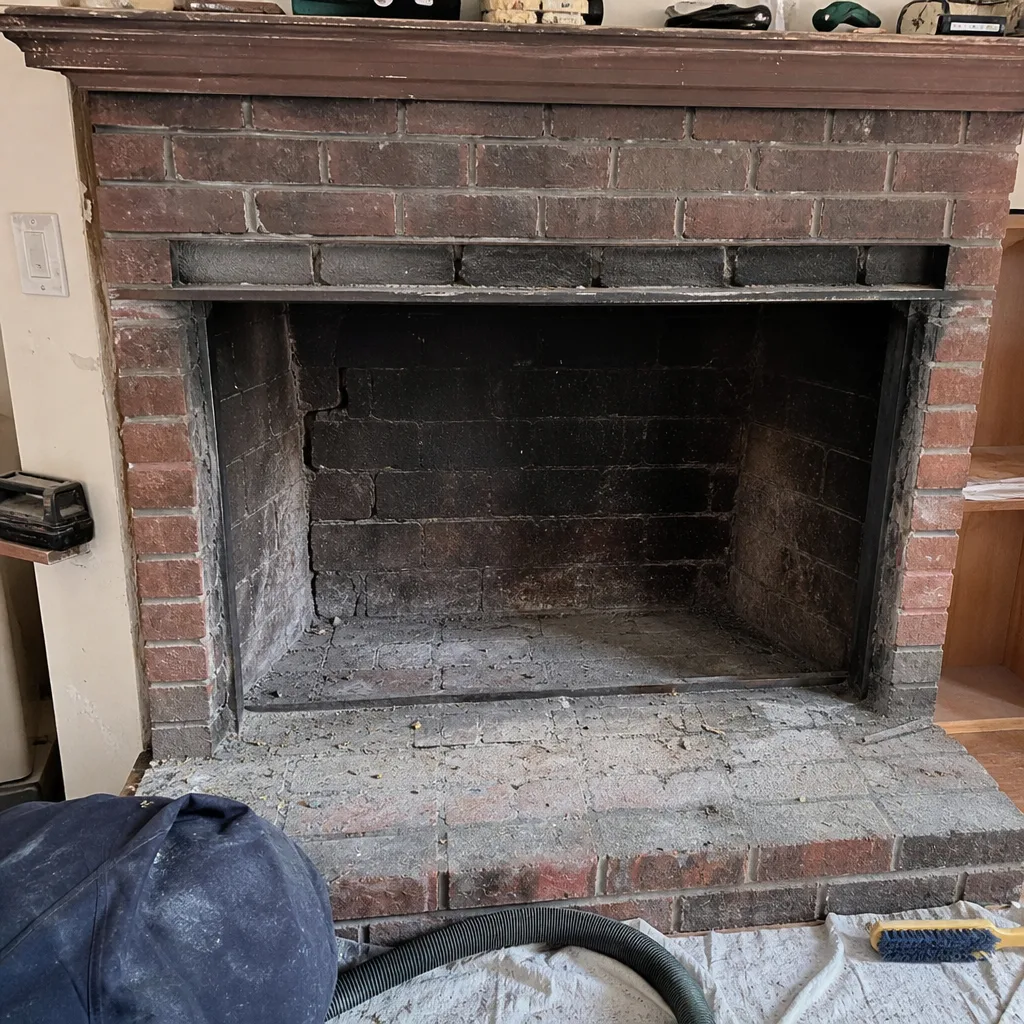 Before
 After
 Before
 After
When to Call a Professional
Call a chimney professional when your usage log points to a cleaning (roughly a cord or more burned, or 50 to 80 hours of active fire), when any interior or exterior check turns up a real finding rather than normal soot, or when you simply don’t know the last time the chimney was swept and inspected. Call sooner if you notice smoke in the room, a persistent smoky smell, water in the firebox, a damaged cap or crown, spalling exterior brick, or any suspicion about the flue liner. A professional sweep with a camera inspection lets you see what’s actually going on before anyone recommends work, and if a repair is needed, the same team can handle it. Westminster Chimney Sweep Co offers free estimates in Westminster: call (866) 786-8955. We answer 24/7. Fast dispatch from 7am to 7pm, Sunday through Friday. Our technicians have up to 9 years of experience, and our inspections come with a photo report so you can see the findings for yourself.
Frequently Asked Questions
There’s no fixed interval that fits every home, because usage drives the answer. As a working guideline, sweep when you’ve burned roughly a cord of wood or about 50 to 80 hours of active fire, or when a check turns up heavy soot or glazed deposits. Homes burning mixed or less-seasoned wood need sweeps more often. If you’re not sure, a professional inspection settles it. Call (866) 786-8955 to book an inspection and estimate.
No, we don’t recommend cleaning the flue yourself. Creosote is the fuel for chimney fires and is dangerous to disturb without the right tools, and reaching up into the flue risks damaging the liner. Light interior checks from the firebox level are fine for a homeowner; anything above that is a professional job with a camera inspection. Call (866) 786-8955 and we’ll book a proper sweep so you can see the findings on camera.
The crown is the chimney’s top surface, and it’s the first line of defense against water. In a Colorado freeze-thaw climate, a cracked or failing crown lets water into the masonry where it freezes, expands, and widens the damage across seasons. A properly installed crown, along with a sound cap, addresses this at the root. If your crown looks cracked from the ground, call (866) 786-8955 for an inspection and estimate.
Signs that point to a sweep include heavy visible soot or flaky deposits in the smoke chamber area, a sluggish draft, and the tick of your usage log hitting roughly a cord or 50 to 80 hours of active fire. Signs that a structural inspection is overdue include cracked firebox brick, water stains, a damp smell, a damaged crown or cap, spalling exterior brick, or a leaning silhouette. When in doubt, a professional inspection with a camera and photo report makes the answer clear. Call (866) 786-8955 – estimates are free.
Gas fireplaces don’t produce creosote the way wood does, so cleaning frequency is much lower, but they still need inspection. Venting can clog, combustion can misbehave, and a gas fireplace that smells strange or shows soot is worth a professional look. Call (866) 786-8955 and we’ll inspect it and let you know exactly what we find.
Sometimes yes, sometimes no. If you burned lightly, your checks look clean, and you’ve tracked your usage and it’s low, waiting to the next season can be reasonable. If you burned heavily, saw anything concerning in the firebox, or noticed exterior masonry issues, don’t wait through a Front Range winter, because water and freeze-thaw can make a small problem bigger. A free estimate removes the guesswork. Call (866) 786-8955 and we’ll look at it and tell you plainly.
The Bottom Line
A chimney maintenance checklist is only useful if it’s checking conditions rather than dates. A spotless sweep in October reshuffles the risk based on how you burn it between October and April. Track your usage. Do the interior and exterior checks from a safe place, every season. Use the findings to decide whether you need a cleaning or a structural inspection, and treat any masonry or water finding as urgent rather than seasonal. For the work that requires a trained eye at the flue or the roof line, hire a specialist company that handles the whole system, so an inspection finding gets acted on directly. If you want a plain-language look at your Westminster chimney with a camera and photo report, we’re here. Call (866) 786-8955 for a free estimate. We answer 24/7. Fast dispatch from 7am to 7pm, Sunday through Friday. When you’re ready to put the checklist into action with Westminster Chimney Sweep Co, one call covers it from your annual sweep to full liner restoration, and the estimate is free.
Written by the team at Westminster Chimney Sweep Co.