
Last updated November 23, 2026
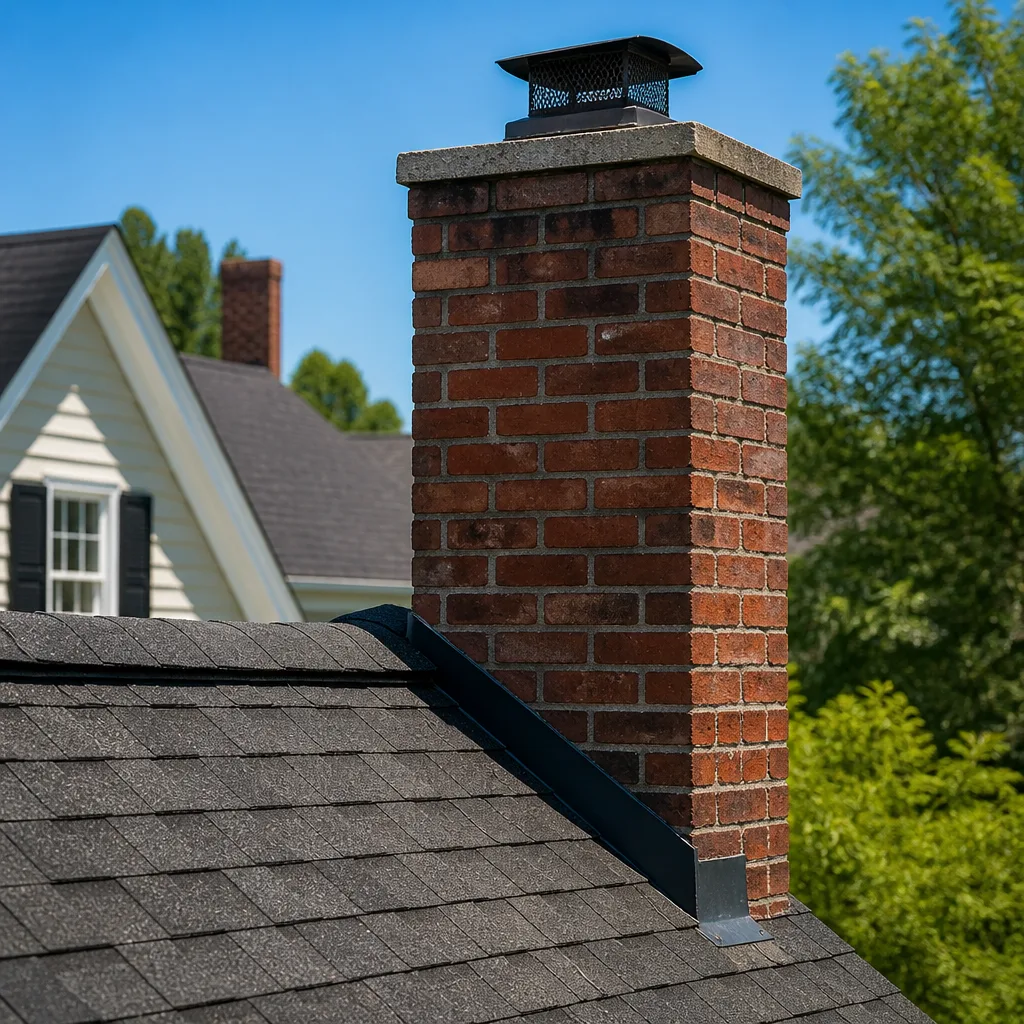 Sweep & inspection
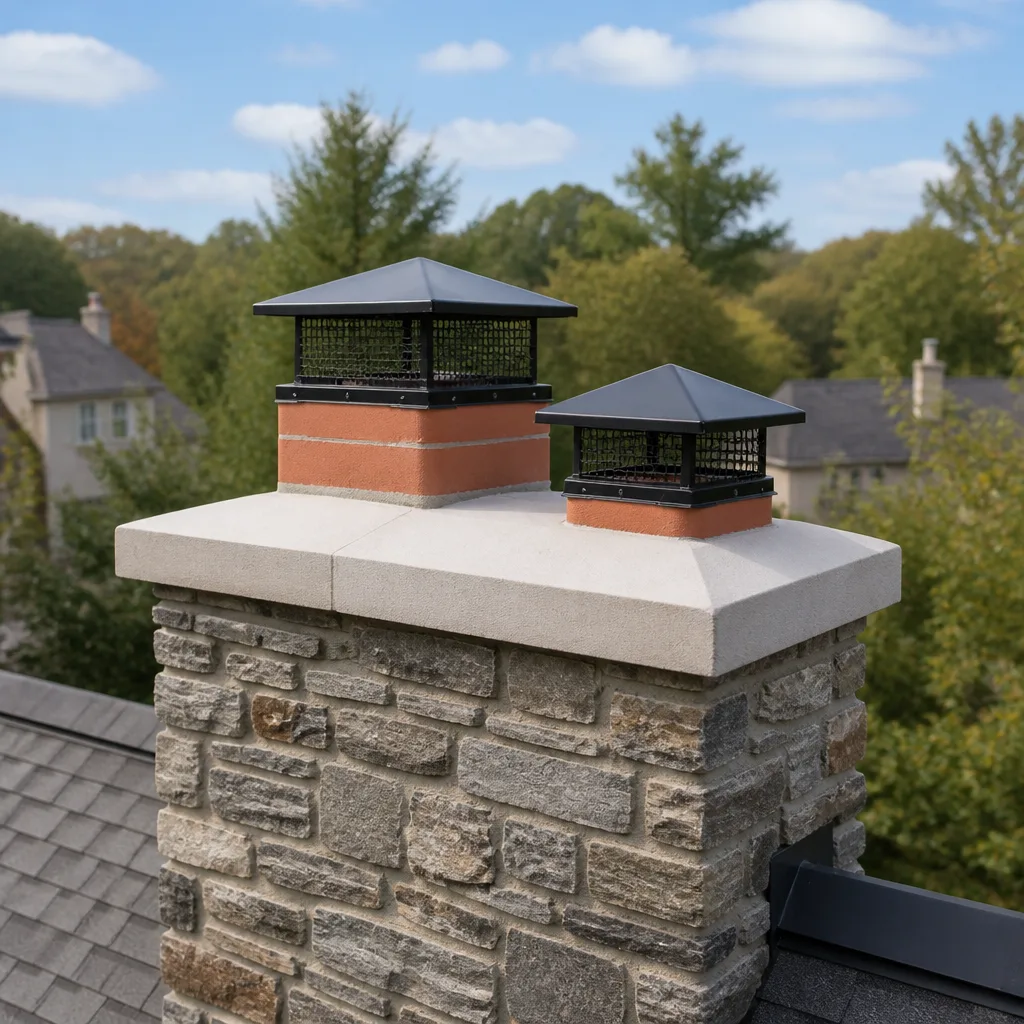 Caps & crowns
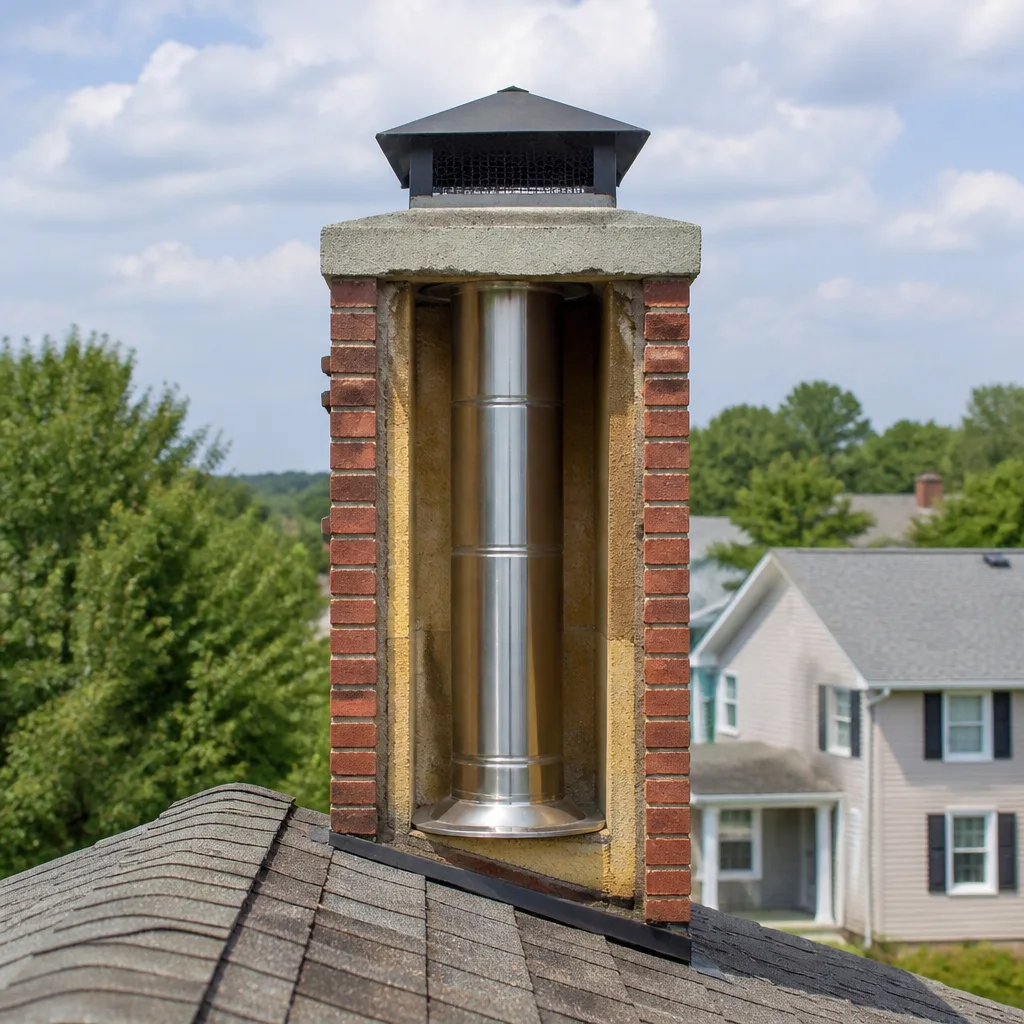 Flue relining
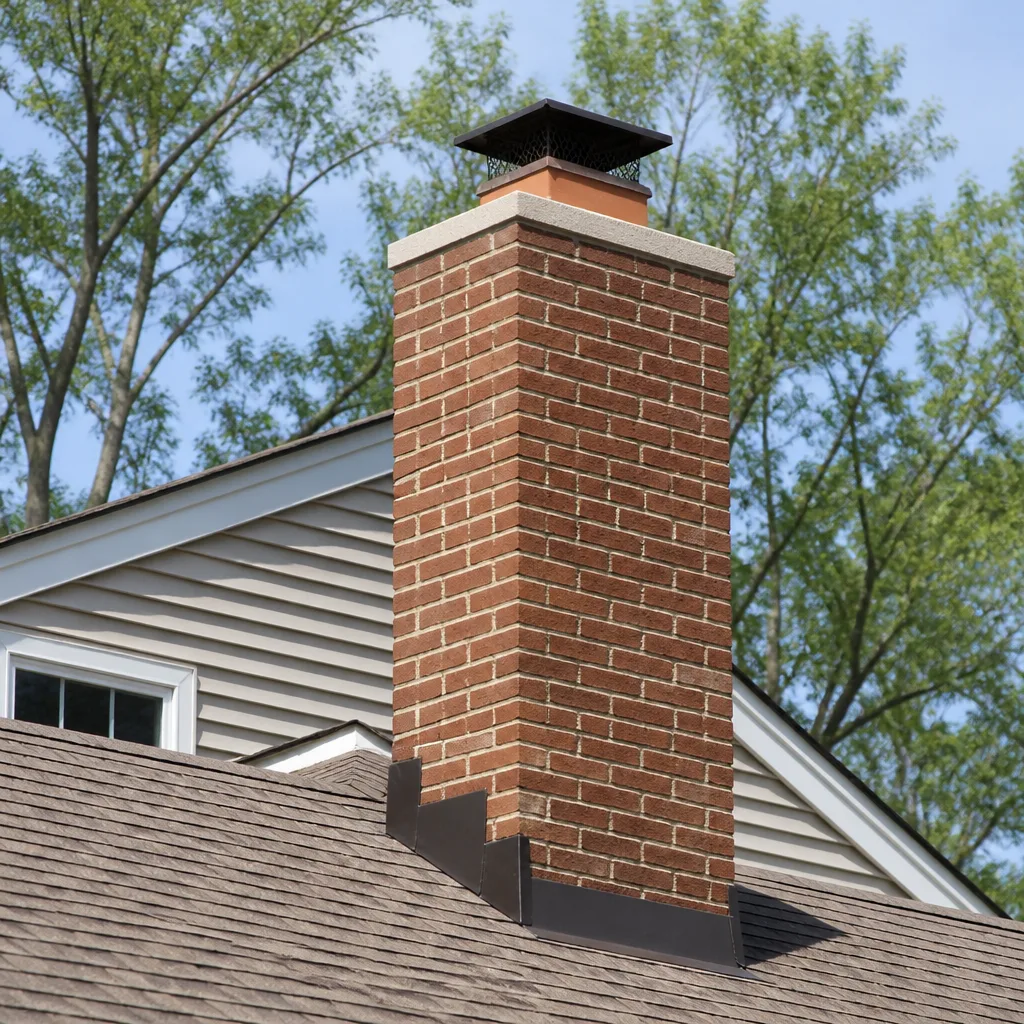 Masonry repair
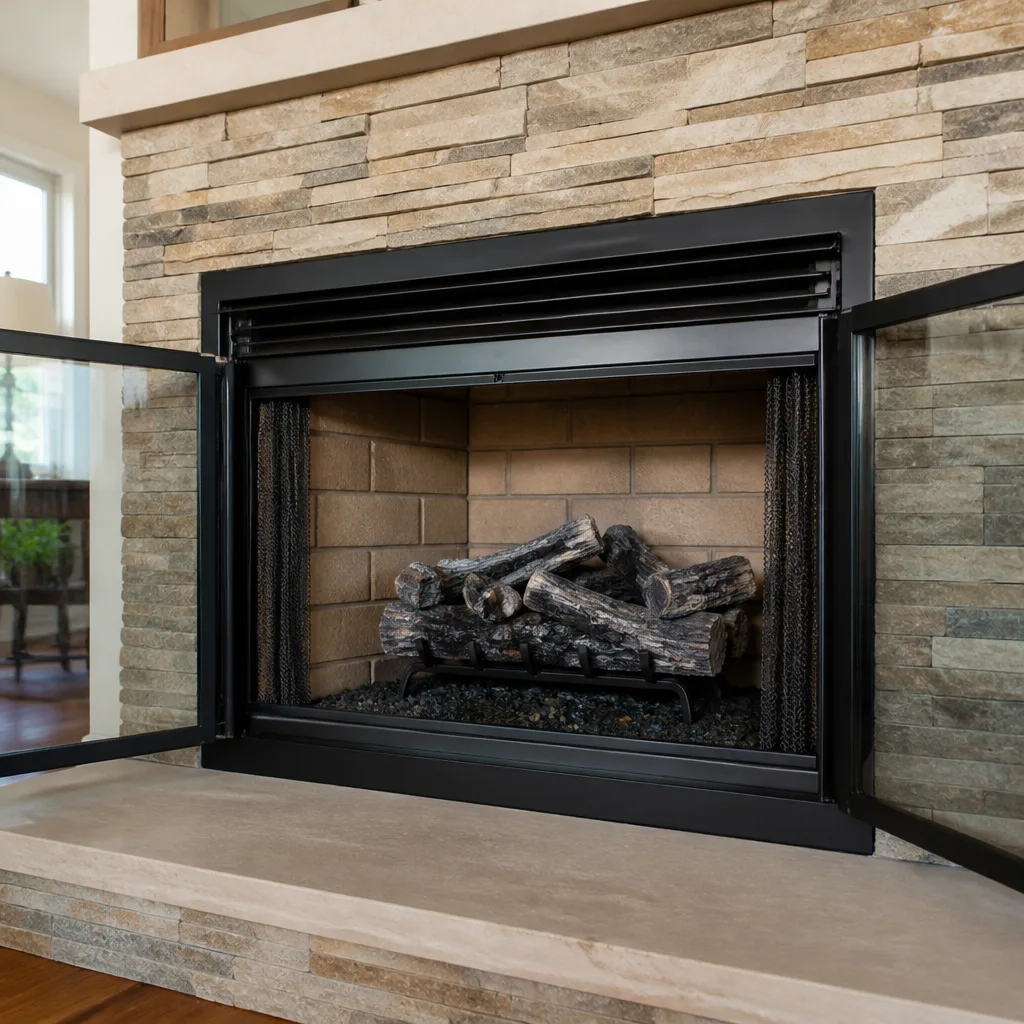 Gas fireplace service
Level 1 sweep and inspection to the NFPA 211 annual standard - flue, crown, cap, and flashing checked and photographed
Chimney sweep logs do not sweep chimneys. They loosen some creosote - which then falls where a brush and vacuum still have to collect it.
Chimney Cleaning Permits, Codes & Inspections in Westminster, CO: What You Need to Know
Most chimney cleaning in Westminster doesn’t require a permit. That surprises people who assume anything touching the chimney needs paperwork. The part that catches homeowners off guard is what comes next: the repair a sweep uncovers often does need one, and nothing about the sweep itself signals that a threshold was just crossed. A routine cleaning turns into a liner conversation, the liner gets replaced, and nobody pulls a permit. That gap between maintenance and construction is where title and insurance problems get planted. This guide explains exactly where the line sits under Westminster’s code, how Colorado’s adoption of the International Residential Code applies to liners and caps, what differs between Adams and Jefferson County on the county line, and how to confirm a permit was pulled before the work starts rather than after.
Quick Answer
Routine chimney cleaning and inspection in Westminster, CO generally do not require a building permit, because they’re considered maintenance. Repairs that change the structure or the flue system usually do require one. That includes liner replacement or relining, cap and crown installation when it involves rebuilding, and any masonry or firebox reconstruction. Westminster sits in Adams County but borders Jefferson County, and the two take different views on relining permits, so the address matters.
Styles & brands we work with
- Sweep & inspection
- Caps & crowns
- Flue relining
- Masonry repair
- Gas fireplace service
Table of Contents
- Where Maintenance Ends and Repair Begins
- How Colorado’s IRC Chimney Provisions Apply
- Adams County vs. Jefferson County: Why the Line Matters
- Which Chimney Projects Need a Permit in Westminster
- How to Verify a Permit Before Work Starts
- What a Chimney Inspection Covers and When You Need One
- Insurance and Unpermitted Chimney Work
- How Westminster’s Climate and Housing Shape the Risk
Where Maintenance Ends and Repair Begins
The cleanest way to think about it: maintenance preserves the chimney you already have, and repair changes it. Sweeping removes creosote from the flue. A visual inspection looks for problems. Neither alters the structure or the flue system, so neither triggers a permit under Westminster’s municipal code. This is true across Colorado, and it’s why most of what a chimney company does week to week never touches the permit office.
The line gets crossed the moment the work involves replacing or reconstructing a listed component. A flue liner is a listed component. A chimney cap that’s simply fastened onto an existing crown is closer to maintenance, but a crown that’s being rebuilt or repoured is a masonry repair, and that’s construction. The distinction matters because the two categories are treated very differently by the building department, the insurance company, and anyone who inspects the house during a sale.
Here’s how we draw the line in practice:
- No permit: sweeping, visual inspection, camera inspection, removing a bird nest, replacing a spark arrestor screen, installing a cap onto a sound existing crown with standard fasteners.
- Permit usually required: flue liner replacement or relining, crown rebuilding or repouring, firebox reconstruction, masonry tuckpointing that goes beyond surface repointing, chimney chase modification, and any work that changes the flue’s dimensions or material.
- Gray area worth a phone call: cap replacement on a deteriorated crown, damper replacement, and HeatShield liner resurfacing. The last one deserves its own conversation, which we get to below.
If you’re not sure which side of the line a proposed repair falls on, ask the contractor to state it in writing. A professional company will tell you plainly whether the job needs a permit before you’ve paid a deposit. Westminster’s building department is the final word, but nobody should be guessing on your behalf.
How Colorado’s IRC Chimney Provisions Apply
Colorado adopts the International Residential Code at the state level, and Westminster enforces it locally with amendments. The IRC’s chimney chapter is where the practical rules live. It governs clearances to combustibles, flue sizing, liner requirements, and the standards a replacement liner has to meet. It’s not a permit rulebook on its own, but every permit decision at the building department is measured against it.
Three provisions matter most for homeowners:
- Flue lining requirements. The IRC requires that flues be lined with an approved material continuous to the top of the chimney. A replacement liner has to be a listed product, which is why professional-grade brands like DuraFlex and Copperfield appear on the materials list for permitted relining jobs. An unlisted or field-fabricated liner won’t pass inspection.
- Clearance to combustibles. The code sets required separation between the chimney and wood framing, insulation, and other combustible material. When a liner is replaced, the inspector may look at clearance, and a job that ignored clearance on the way in can require opening up the chase on the way out.
- Cap and crown requirements. The IRC addresses chimney termination and the protection of the flue from rain and debris. In practice this means the crown has to shed water away from the flue and the cap has to be sized and fastened correctly. Neither is complicated, but both are inspected when they’re part of a permitted repair.
Here’s what this means in plain terms: the IRC doesn’t say “you need a permit to reline your chimney.” It defines what a compliant liner is. Westminster’s building department then decides which projects require a permit to confirm that compliance. The code tells you what good looks like. The permit is how the city checks that what got installed matches.
This is also where a specialist matters. A generalist can pull a permit and still fail inspection if the liner isn’t listed or the clearance wasn’t measured. A dedicated chimney company works from those code provisions every day, which is why we install HeatShield and DuraFlex products on relining jobs rather than whatever’s available at the supply house. The listed product is the thing the inspector is looking for.
Adams County vs. Jefferson County: Why the Line Matters
Westminster straddles the Adams and Jefferson county line. Depending on which part of the city you live in, your permit application, your inspections, and your code questions may go to different offices with different habits. That’s not a technicality. It changes what your contractor has to file, and it changes how long the job takes.
The difference shows up most clearly on relining projects:
- Adams County generally treats a flue liner replacement as a structural change to the venting system that requires a permit and an inspection. The inspector wants to see the listed liner documentation and the clearance.
- Jefferson County has handled relining applications with somewhat more latitude on the documentation side, but the underlying IRC requirements are the same. The permit still gets filed; the review process looks a little different.
- The practical effect: a Westminster homeowner who assumes their neighbor’s experience applies to them can be wrong, because the neighbor may be in the other county.
Chimney cap and crown work follows a similar pattern. A crown rebuild is a masonry repair in both counties and will usually need a permit. A cap installation onto a sound crown typically won’t. Where the counties diverge is on how they classify relining as part of a larger repair, and that’s a question worth putting to the building department directly if a contractor is vague about it.
Our advice is simple: before any repair that changes the flue system, confirm which county your address falls in and ask the contractor which office they’re filing with. If the answer is “we don’t need a permit for this,” push back once. If the answer stays the same and the job is a liner replacement, get a second opinion. Westminster’s own building department can also tell you which jurisdiction reviews your address, and that call takes minutes.
Which Chimney Projects Need a Permit in Westminster
The quickest way to sort this is project by project. Here’s the list Westminster homeowners ask about most often, and how each one typically lands on the permit question. Local amendments shift details over time, so treat this as your starting point and let the building department be the last word.
- Annual sweep: no permit. Maintenance, plain and simple.
- Level 1 visual inspection: no permit. You’re looking, not building.
- Level 2 camera inspection: no permit. The camera goes in the flue; nothing is altered.
- Chimney cap installation on a sound crown: usually no permit, but confirm the fastening method doesn’t require penetrating a masonry crown in a way the city considers structural.
- Chimney cap replacement on a deteriorated crown: permit likely, because the crown itself is usually part of the repair.
- Crown rebuild or repour: permit required. This is masonry work.
- Flue liner replacement: permit required in Adams County and generally in Jefferson County. The liner is a listed component and the install gets inspected.
- HeatShield liner resurfacing: the gray area. HeatShield is a resurfacing system applied to an existing liner rather than a replacement liner. Whether it needs a permit depends on how the jurisdiction classifies the work. In our experience, Westminster’s building department wants to know about it when it’s part of a repair that goes beyond routine maintenance, so it’s worth asking before the work is scheduled rather than after.
- Firebox or firebox panel repair: permit required when masonry is rebuilt or a listed firebox assembly is replaced.
- Damper replacement: usually no permit when it’s a direct swap; ask if the damper assembly is being modified.
If you’re facing a larger repair and you want the whole system looked at in one go, our chimney repair service covers the structural side, and the inspection that precedes it tells you which items above actually apply to your house. That’s the order that saves money: inspect first, then decide what needs a permit.
How to Verify a Permit Before Work Starts
Verifying a permit is easier than most homeowners expect, and doing it before the work starts is the whole point. Once the liner is in, an unpermitted job is a fact you have to live with. Before the crew arrives, it’s just a question with an answer.
Here’s the sequence we recommend:
- Ask the contractor in writing. Before you sign anything, send an email or text: “Will this job require a permit, and will you pull it?” Keep the reply. A written answer is worth more than a verbal one, and a contractor who won’t put it in writing is telling you something.
- Get the permit number before work begins. On jobs that require a permit, ask for the permit number once it’s issued. The contractor should be able to provide it before the first day on site. If they can’t, the work shouldn’t start.
- Look it up yourself. Westminster and the surrounding counties publish permit search tools. The permit number should show the address, the scope of work, the contractor, and the inspection status. If the scope doesn’t match what you were quoted, that’s a red flag.
- Confirm the inspections. A permit without a passed inspection is paperwork. Ask who schedules the inspection and when, and confirm that the inspection has happened before final payment.
- Keep the documentation with your home records. Permit numbers, inspection results, and the product documentation for the installed liner all belong in the folder you’d hand a buyer. This is the paper trail that prevents the problem in the first place.
The verification takes maybe twenty minutes. It’s the difference between a repair that shows up in a title search as permitted and a repair that surfaces during the buyer’s inspection as a question nobody can answer.
What a Chimney Inspection Covers and When You Need One
A chimney inspection is not the same as a permit inspection. One tells you the condition of the chimney; the other confirms that permitted work was done to code. Homeowners need both at different times, and confusing them is common.
A professional chimney inspection comes in three levels:
- Level 1: a visual check of readily accessible components, the flue, and the firebox during a routine sweep. Appropriate when nothing has changed and you’re on your normal maintenance schedule.
- Level 2: adds a camera inspection of the flue interior and access to concealed areas. This is the level you want when you’re buying or selling a house, after a chimney fire, after an earthquake or severe storm, or when you’re changing the appliance or fuel type.
- Level 3: involves opening up concealed areas when a Level 2 found a problem that can’t be diagnosed otherwise. Rare, and usually tied to a specific repair decision.
For Westminster homeowners, the inspection schedule that matters most is annual. A wood-burning fireplace should be swept and inspected once a year if you burn regularly, and inspected annually even when you don’t. A gas fireplace still needs eyes on it, because the venting and the appliance both wear. If you’re not sure where you stand, start with a chimney sweep and let the inspection findings drive the plan.
Pairing inspection with repair capability is what makes the findings useful. An inspection that ends with a report and a handoff to a second contractor leaves a gap where problems get lost. We inspect and we repair, so the camera findings turn into a scoped job with a permit if the job needs one. That continuity is not a small thing when you’re dealing with a liner.
Insurance and Unpermitted Chimney Work
Here’s where unpermitted work quietly costs money. Most homeowners insurance policies include language about code compliance and unpermitted alterations. After a fire event, the carrier’s adjuster is going to look at the chimney, the liner, and the permit history. If a liner was replaced without a permit and the installed product doesn’t match what a permitted job would have required, the argument over coverage gets much harder.
The risks stack in a few predictable ways:
- Claim denial or partial denial. The carrier may argue the fire resulted from a non-compliant installation, and deny or reduce the claim on that basis.
- Code upgrade costs. Even when the claim is covered, many policies treat code-required upgrades as a separate question. Unpermitted work tends to trigger code upgrades at the worst possible time.
- Title and disclosure issues at sale. A buyer’s inspector finds a liner with no permit on record, the buyer asks for documentation, and there isn’t any. The negotiation that follows rarely favors the seller.
- Liability exposure. If unpermitted work causes damage to a neighbor’s property, the liability question lands on the homeowner, not the contractor who skipped the permit.
None of this requires a fire to cause trouble. The permit record is the thing that stands between a covered claim and a contested one. Before any repair that changes the flue system, treat the permit as part of the job, not as an optional extra. If a contractor tells you the permit isn’t necessary, ask them to put that in writing and take it to the building department yourself. The city will tell you which of you is right.
For repair work that involves the firebox or the firebox assembly, our fireplace repair service follows the same rule: if the repair changes a listed component, the permit gets filed. It’s not a burden. It’s the record that protects you.
How Westminster’s Climate and Housing Shape the Risk
Westminster’s freeze-thaw cycle is hard on masonry. Water gets into a hairline crack in the crown, freezes overnight, expands, and widens the crack. It thaws the next afternoon and refreezes that night. Repeat across a Front Range winter and a small crown crack becomes a crown failure. The same cycle works on the mortar joints and on the chimney chase itself. This is not a theoretical concern; it’s the leading cause of chimney deterioration in the area.
The wind matters too. Westminster sits where the foothills meet the plains, and the wind that comes off the Front Range drives rain and snow sideways into chimneys that would otherwise stay dry. A cap that’s undersized or a crown that doesn’t shed water properly lets moisture in from an angle most homeowners never think about. The distance from the mountains to the city is short enough that weather patterns shift quickly, and a chimney that faces the wrong direction takes more of it.
Housing stock plays a part. Much of Westminster’s older housing has original masonry chimneys that have been through decades of freeze-thaw. Newer construction tends to use factory-built fireplaces with metal flues, which have their own lifespan and their own failure modes. Both kinds of chimney need the same annual inspection, and both produce repairs that may or may not need a permit depending on what’s found. Our Westminster Chimney Sweep Co team sees both every week, and the permit question comes up more often on the masonry side.
The climate also affects timing. The best window for crown and cap work in Westminster is late spring through early fall, when materials cure properly and the freeze-thaw cycle isn’t working against the repair. If an inspection this winter turns up crown damage, the question isn’t whether it needs doing; it’s whether it can safely wait until the weather cooperates. In our experience, a hairline crack can wait a season with a cap in place, and a failed crown should not. That’s a judgment call the inspection supports.
Common Mistakes to Avoid
- Assuming the sweep’s findings don’t need a permit. Cleaning doesn’t, but a liner replacement that follows a cleaning usually does. Confirm the permit question before the repair is scheduled, not after the crew has packed up.
- Letting the contractor handle the permit without verifying it. A verbal “we’ll take care of it” isn’t a permit number. Ask for the number before work starts and look it up. This is the single most effective habit in this guide.
- Forgetting that Westminster straddles two counties. Adams County and Jefferson County review relining permits differently. A neighbor’s experience may not apply to your address depending on which side of the line you’re on.
- Treating a cap installation as automatic maintenance. A cap on a sound crown is one thing. A cap replacement on a deteriorated crown is usually a crown rebuild, and that needs a permit.
- Skipping the annual inspection because the chimney “seems fine.” Cracked liners and early crown failures are invisible from the living room. The inspection is how you find them before they become a claim.
- Not keeping the documentation. Permit numbers, inspection results, and product documentation for the installed liner belong with your home records. They’re the answer at a sale or after a claim.
- Taking a verbal assurance that HeatShield doesn’t need a permit. Resurfacing is a gray area that varies by jurisdiction. Ask the building department directly rather than accepting a blanket answer.
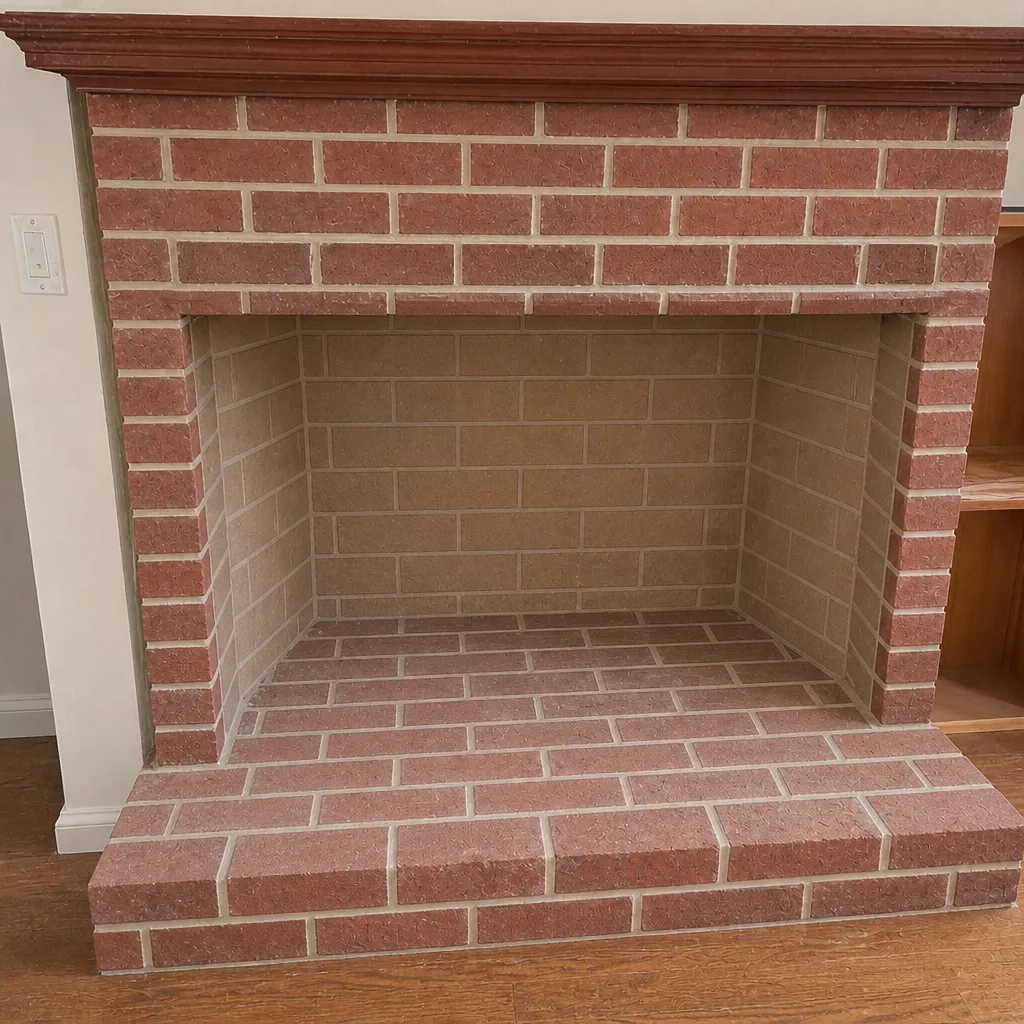
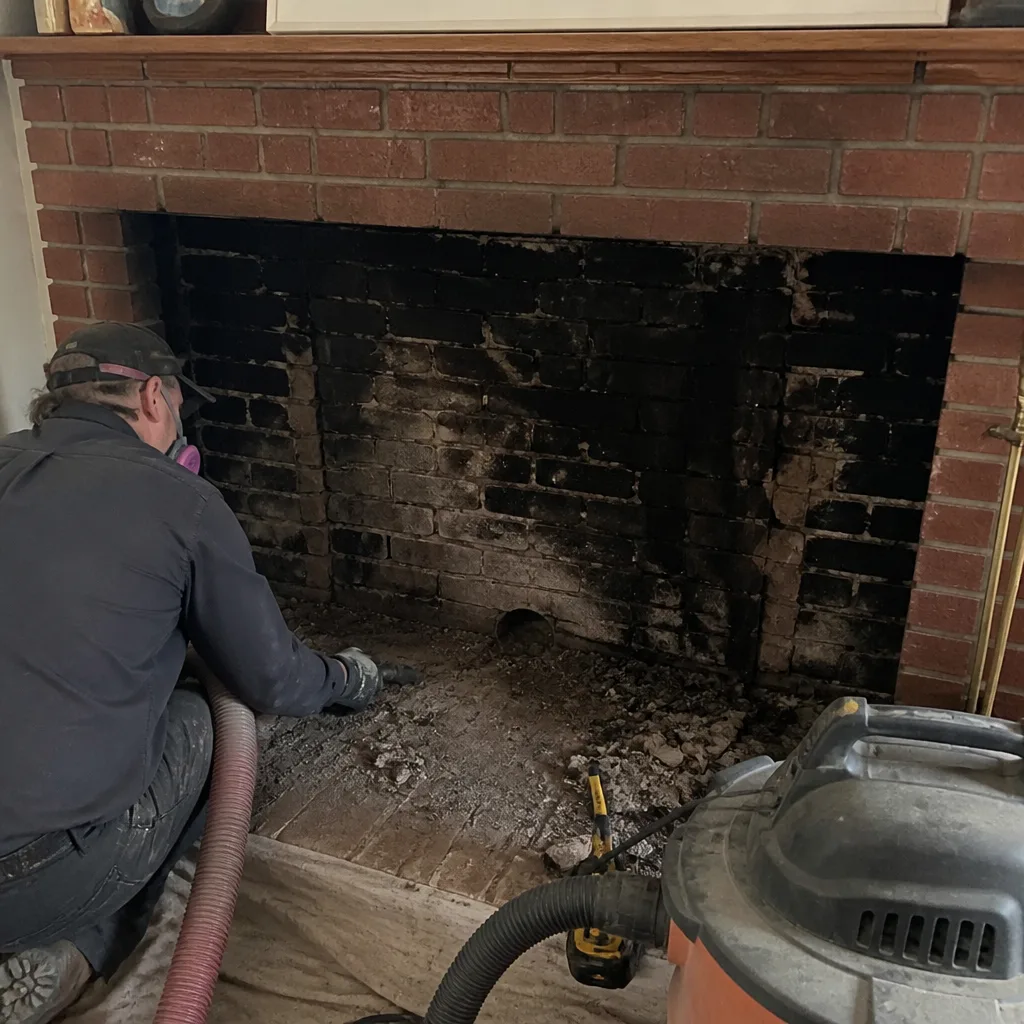
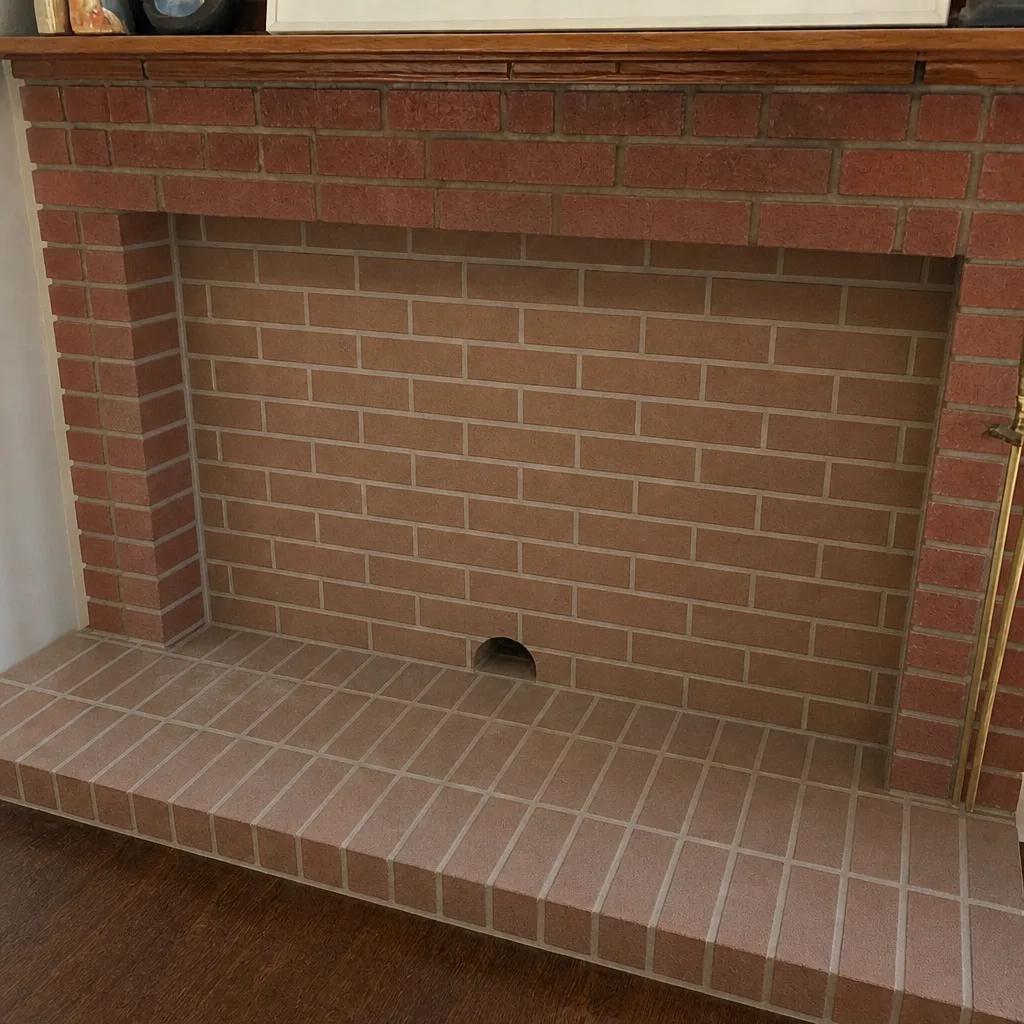
See the difference
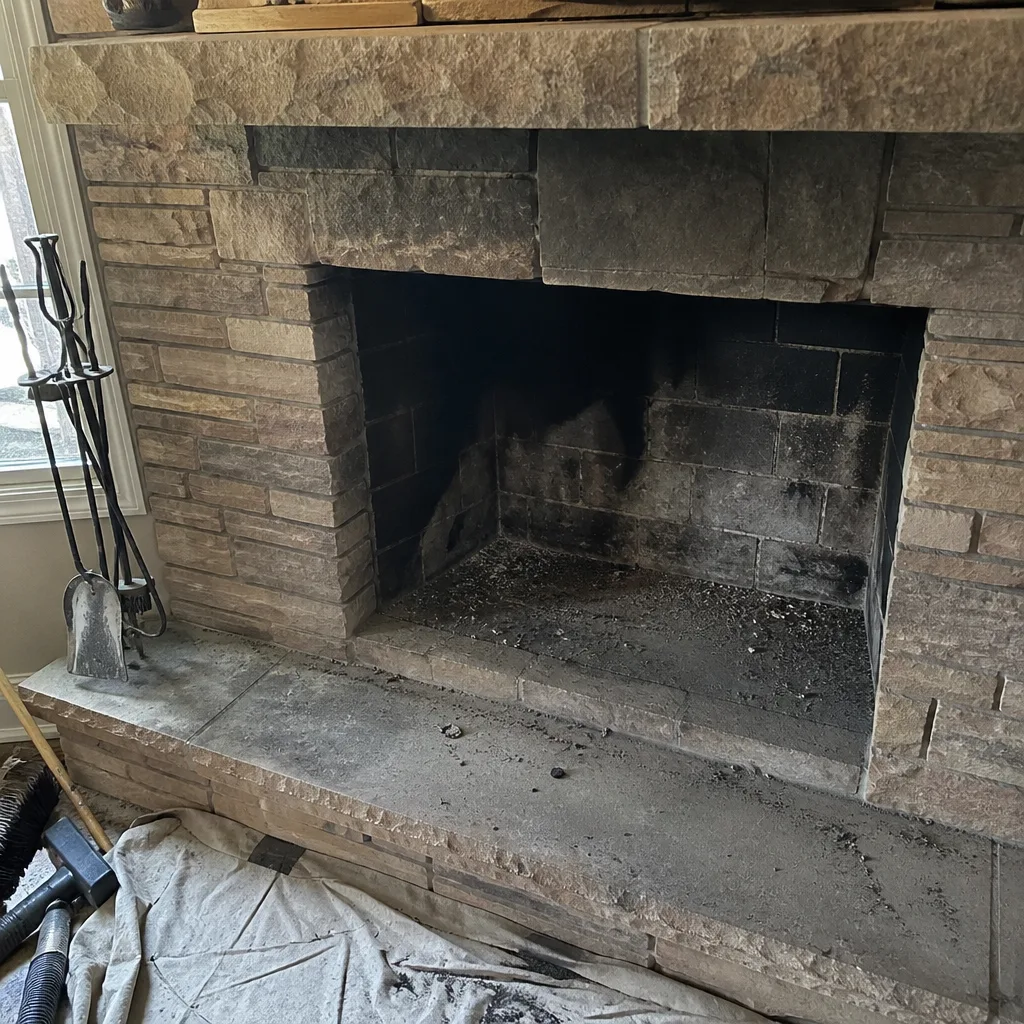 Before
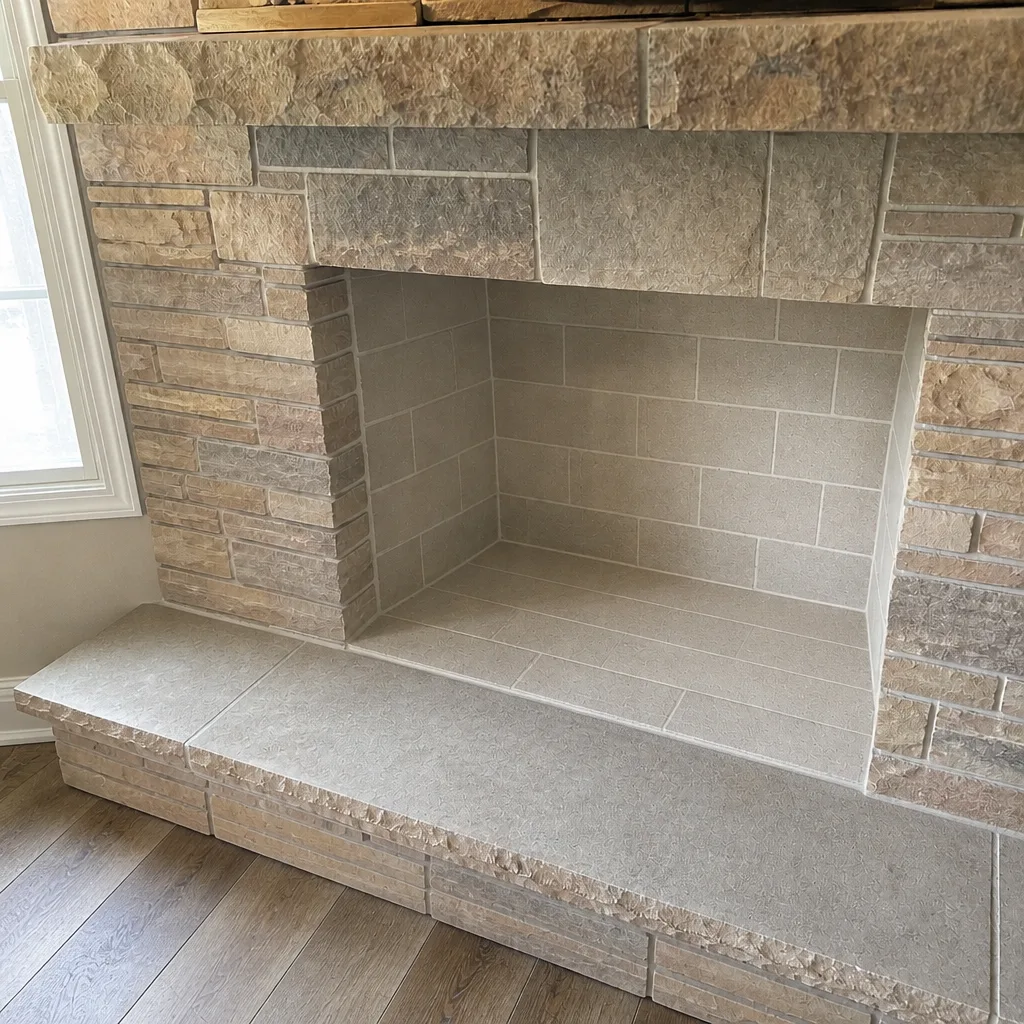 After
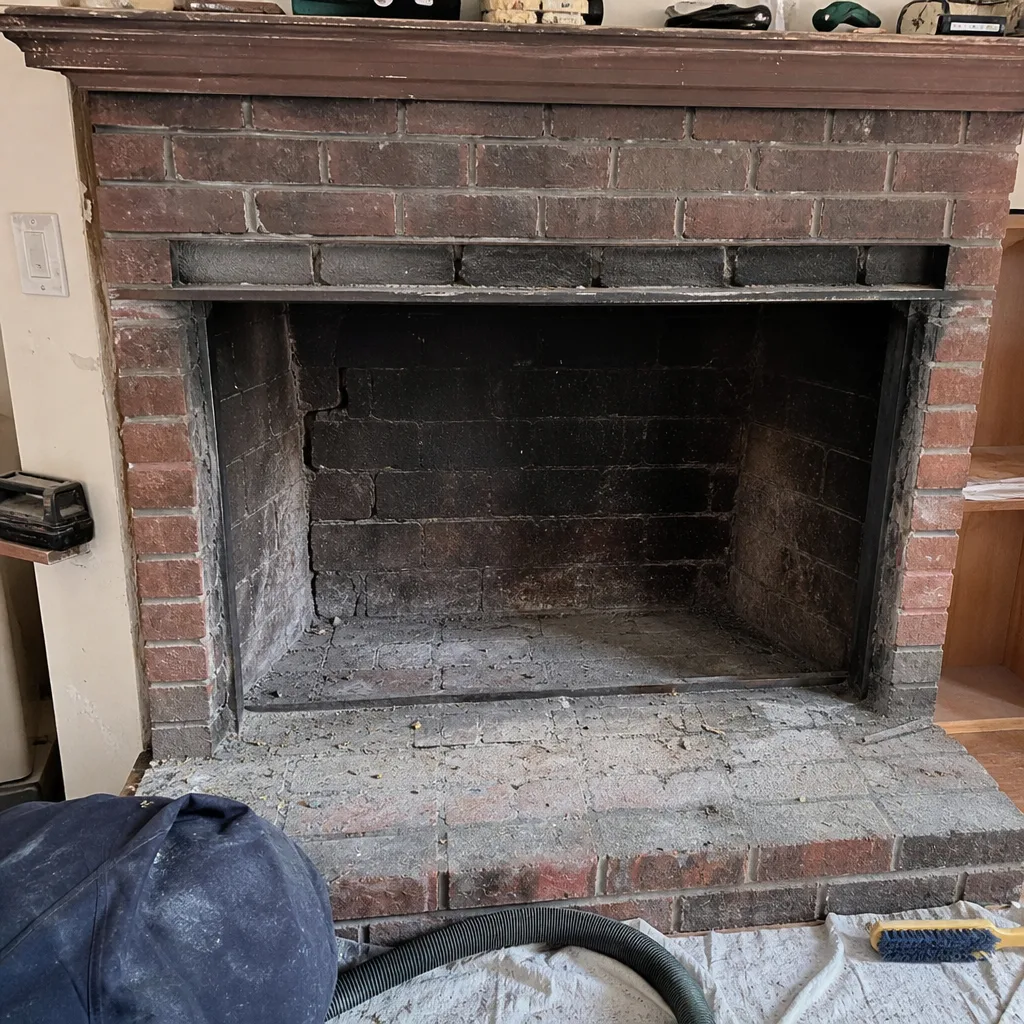 Before
 After
 Before
 After
When to Call a Professional
Call a professional when you don’t know the last time the chimney was inspected, when a sweep turns up a liner problem, or when you’re buying or selling a house and need a Level 2 inspection. Call before any repair that changes the flue system, because the permit question has to be answered before work starts. Call when a crown is cracking, when a cap is loose or missing, or when water is getting into the firebox. And call if a contractor has told you a liner replacement doesn’t need a permit; a second opinion is cheap and the answer matters. Westminster Chimney Sweep Co offers free estimates in Westminster. Call (866) 786-8955. We answer 24/7. Fast dispatch from 7am to 7pm, Sunday through Friday.
Frequently Asked Questions
No. Routine chimney cleaning and inspection are considered maintenance and don’t require a permit in Westminster. The permit question only comes up when a repair changes the flue system or the structure, such as a liner replacement or a crown rebuild. If a sweep uncovers a problem, ask about the permit before the repair is scheduled. Call (866) 786-8955 for an exact quote; estimates are free.
Yes, a flue liner replacement generally requires a permit in Westminster. Adams County treats relining as a structural change to the venting system that needs a permit and an inspection, and Jefferson County requires a permit as well, though the review process differs. The liner is a listed component, and the inspector will want to see the product documentation. Call (866) 786-8955 to talk through your specific address and job.
It depends on the scope. A cap installed onto a sound existing crown with standard fasteners usually doesn’t need a permit. A crown that’s being rebuilt or repoured does, because that’s masonry repair. A cap replacement on a deteriorated crown often falls into the permit category because the crown is part of the repair. When in doubt, ask the building department. Call (866) 786-8955 for an exact quote; estimates are free.
It’s a gray area, and the answer varies by jurisdiction. HeatShield is a resurfacing system applied to an existing liner rather than a replacement liner, so whether a permit is required depends on how the building department classifies the work. In our experience, Westminster’s building department wants to know when resurfacing is part of a larger repair. Ask before the work is scheduled. Call (866) 786-8955 to discuss your options.
Ask for the permit number in writing before the first day on site, then look it up using the building department’s online permit search. Confirm that the listed scope matches what you were quoted, and confirm that the required inspection has passed before you make final payment. A contractor who won’t provide a permit number before work starts is telling you something. Call (866) 786-8955 for an exact quote on your job.
The work is unpermitted, which creates problems at a sale and after an insurance claim. A buyer’s inspector will find the missing permit record, and a carrier may argue after a fire that the installation wasn’t code-compliant. The fix is to have the work reviewed by the building department and brought into compliance, which is easier before a sale or claim than after. Call (866) 786-8955 to have the work inspected and scoped.
The Bottom Line
The permit question in Westminster comes down to one distinction: maintenance preserves the chimney, repair changes it. Sweeping and inspection don’t need a permit. Liner replacement, crown rebuilds, and masonry repairs usually do. Adams County and Jefferson County handle relining permits differently, so your address on the county line matters. Verify the permit in writing before work starts, look up the number yourself, and keep the documentation with your home records. The paper trail is what protects you at a sale and after a claim. If a contractor tells you a liner doesn’t need a permit, ask the building department and get a second opinion. The twenty minutes it takes is the cheapest insurance on the job.
Westminster Chimney Sweep Co provides sweeping, inspection, repair, fireplace repair, and cap and crown work across the full chimney system. We work with professional-grade products from brands like DuraFlex, HeatShield, Copperfield, and Gelco, and we inspect and we can fix it, so the findings turn into a scoped job without a second contractor. Our technicians have up to 9 years of experience. Call (866) 786-8955 for a free estimate. We answer 24/7. Fast dispatch from 7am to 7pm, Sunday through Friday.
Written by the team at Westminster Chimney Sweep Co.